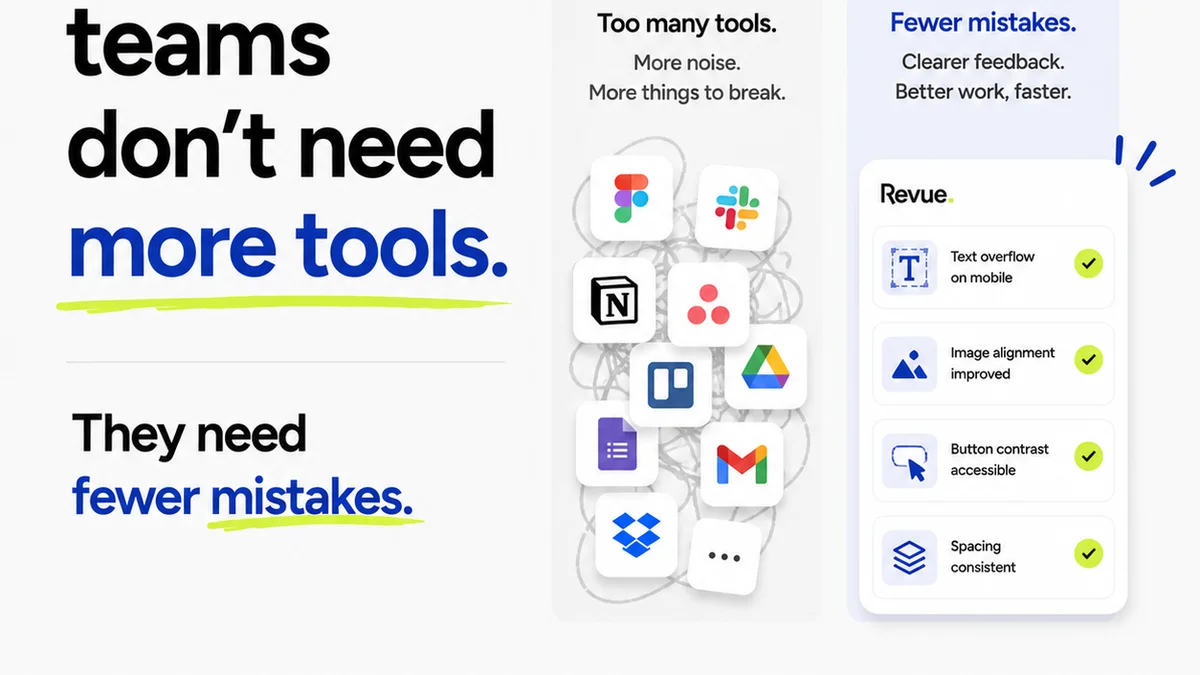
Everyone talks about automation. It’s the magic bullet for efficiency, the key to unlocking more billable hours. You hear it and think: "Great, more time for creative work, less time bogged down in emails and spreadsheets." None of that is wrong. But it’s incomplete.
The real truth about review automation isn't just about saving time. It's about fundamentally reshaping how your agency operates, from initial brief to final sign-off. It’s about reducing errors, improving clarity, and building stronger client relationships.
1. The Assumption: Automation is Just About Speed
The common wisdom is that automation exists to make things faster. Click a button, get a result. Simple.
This view misses the point entirely.
The Hard Truth: Automation is About Control and Clarity
Speed is a byproduct, not the primary goal. True review automation is about establishing a predictable, repeatable process. It’s about taking the guesswork out of client feedback and revision cycles.
Think about your current review process. How much time is lost to:
- Chasing down feedback from scattered email threads?
- Manually compiling notes from different stakeholders?
- Guessing which version is the latest and greatest?
- Waiting for approvals that get stuck in someone's inbox?
- Manually tracking revision history and changes?
These aren't just minor annoyances. They are sources of error, frustration, and missed deadlines. They erode client trust and eat into your profit margins.
2. What Review Automation Actually Looks Like
Forget robotic arms and AI overlords. Review automation in a creative agency context is far more practical.
It means implementing systems that handle the repetitive, administrative tasks involved in feedback and approvals.
Key Components of Review Automation:
- Centralized Feedback Hubs: A single source of truth for all comments, annotations, and markups on creative assets. No more digging through emails or Slack messages.
- Version Control & Tracking: Automatically managing different versions of a design, video, or document. Clearly seeing what changed between versions is crucial.
- Automated Notifications & Reminders: Ensuring stakeholders are prompted for feedback and approvals when they're due, and that the project team is updated on status changes.
- Standardized Approval Workflows: Defining clear steps for who needs to review and approve, and in what order. This eliminates ambiguity.
- Audit Trails: Maintaining a clear record of all feedback, revisions, and approvals. This is vital for accountability and dispute resolution.
3. The Operational Benefits Beyond Time Savings
When you nail review automation, the benefits ripple outwards. They impact your team, your clients, and your bottom line.
Improved Team Morale and Focus
Your creatives and project managers can spend less time wrangling feedback and more time actually creating and strategizing. This reduces burnout and increases job satisfaction.
Less frustration means a happier team.
Enhanced Client Relationships
Clients appreciate transparency and clarity. When they can easily see the progress, provide feedback in a structured way, and get timely updates, their confidence in your agency grows.
Predictable processes lead to predictable outcomes. Clients love predictable outcomes.
Reduced Errors and Rework
Clearer feedback, better version control, and defined approval steps mean fewer misunderstandings and less costly rework. You catch mistakes earlier in the process.
This directly impacts profitability.
Scalability
As your agency grows, manual processes become bottlenecks. Automation allows you to handle more projects and clients without a proportional increase in administrative overhead.
You can grow without breaking.
4. Common Pitfalls to Avoid
Like any operational shift, implementing review automation isn't without its challenges. Knowing these upfront can save you a lot of pain.
Over-Automation and Loss of Human Touch
Automation should support, not replace, human interaction. Don't automate away critical conversations or nuanced creative discussions.
Find the right balance.
Poorly Defined Workflows
Automating a broken process just makes it faster to break things. You need clear, well-documented workflows before you even think about tools.
Map it out first.
Resistance to Change
Your team might be used to their old ways. Implementing new tools and processes requires training, clear communication of benefits, and strong leadership buy-in.
Get everyone on board early.
Choosing the Wrong Tools
There are countless tools out there. Picking one that doesn't fit your specific agency needs or integrate with your existing stack can be a costly mistake.
Do your homework.
5. Where Revue Fits In
Revue isn't just another project management tool. It’s built from the ground up to address the specific pain points of creative review and approval.
Centralized Feedback and Decision Making
Revue provides a single, visual platform where clients and internal teams can leave contextual feedback directly on creative assets. No more scattered emails or confusing spreadsheets. All comments are organized, time-stamped, and linked to specific elements.
Streamlined Revision and Approval Cycles
Manage your entire revision and approval workflow within Revue. Track the status of each asset, see who has reviewed what, and get clear sign-offs. This visibility reduces bottlenecks and ensures everyone is on the same page.
Quality Assurance and Version Control
Maintain a clear history of all feedback and revisions. This makes it easy to track changes, revert to previous versions if needed, and ensure that the final output meets all requirements. It’s your agency’s audit trail for creative work.
Revue brings order to the chaos of creative reviews, making automation not just a possibility, but a practical reality for your agency.
6. Final Thought
Automation in creative reviews isn't about removing the human element; it's about amplifying it. By handling the mundane, you free up your team to do their best strategic and creative thinking. The question isn't if you should automate, but how effectively you can integrate these systems to build a more robust, reliable, and profitable agency.
Frequently asked questions
What is review automation in the context of a creative agency?
Review automation refers to using tools and systems to streamline the process of gathering feedback, managing revisions, and obtaining approvals on creative work. It aims to reduce manual effort, improve clarity, and increase efficiency in the review cycle.
How does automation improve client relationships?
By providing a clear, transparent, and efficient review process, automation helps build client trust. Clients appreciate timely updates, easy ways to provide feedback, and predictable timelines, all of which are facilitated by automated workflows.
Can automation replace human judgment in creative reviews?
No, automation should support, not replace, human judgment. Its purpose is to handle the administrative and repetitive tasks, freeing up creative professionals and stakeholders to focus on the strategic and qualitative aspects of the review.
What are the biggest risks of implementing review automation?
Key risks include over-automating to the point of losing the human touch, automating poorly defined or inefficient existing processes, encountering resistance to change from the team, and selecting tools that don't fit the agency's specific needs.
How does version control play a role in review automation?
Version control is a critical component. Automated systems ensure that the correct version of an asset is always being reviewed, provide clear tracking of changes between versions, and maintain a history, preventing confusion and rework.