Everyone talks about managing client revisions. It’s the bane of agency life, right? The endless back-and-forth, the scope creep disguised as “small tweaks,” the late nights spent tweaking pixels that the client probably won’t even notice.
None of that is wrong. But it’s incomplete.
The real truth? Revision management isn’t just about damage control. It’s a strategic lever for profitability, client retention, and creative excellence. Treating it as anything less is a costly mistake.
Most agencies treat revisions like a necessary evil, a cost center to be minimized. They focus on the *mechanics* of getting feedback and making changes. That’s reactive.
The deeper truth is that effective revision management is *proactive*. It’s about setting expectations, streamlining communication, and building a system that turns what feels like a chore into a predictable, profitable part of your workflow.
1. The Illusion of 'Easy' Revisions
The common assumption is that if we just make it easy for clients to give feedback, everyone wins. They get what they want, and we get paid.
This sounds good on paper. In practice, it often leads to chaos.
Why?
- Unclear Scope: Without a defined process, clients don't know how many rounds are included or what constitutes a
Frequently asked questions
What are the biggest mistakes agencies make with client revisions?
Agencies often fail to set clear expectations upfront regarding the scope and number of revision rounds. They also tend to use fragmented communication channels, leading to lost feedback and confusion. Finally, not having a structured approval process often results in scope creep and missed deadlines.
How can I prevent scope creep during the revision process?
Clearly define the scope of work and the number of included revision rounds in your contract. Use a centralized platform for all feedback and approvals, which creates a clear audit trail. If a client requests changes outside the original scope, address it immediately by discussing a change order or additional fees.
What's the best way to gather client feedback?
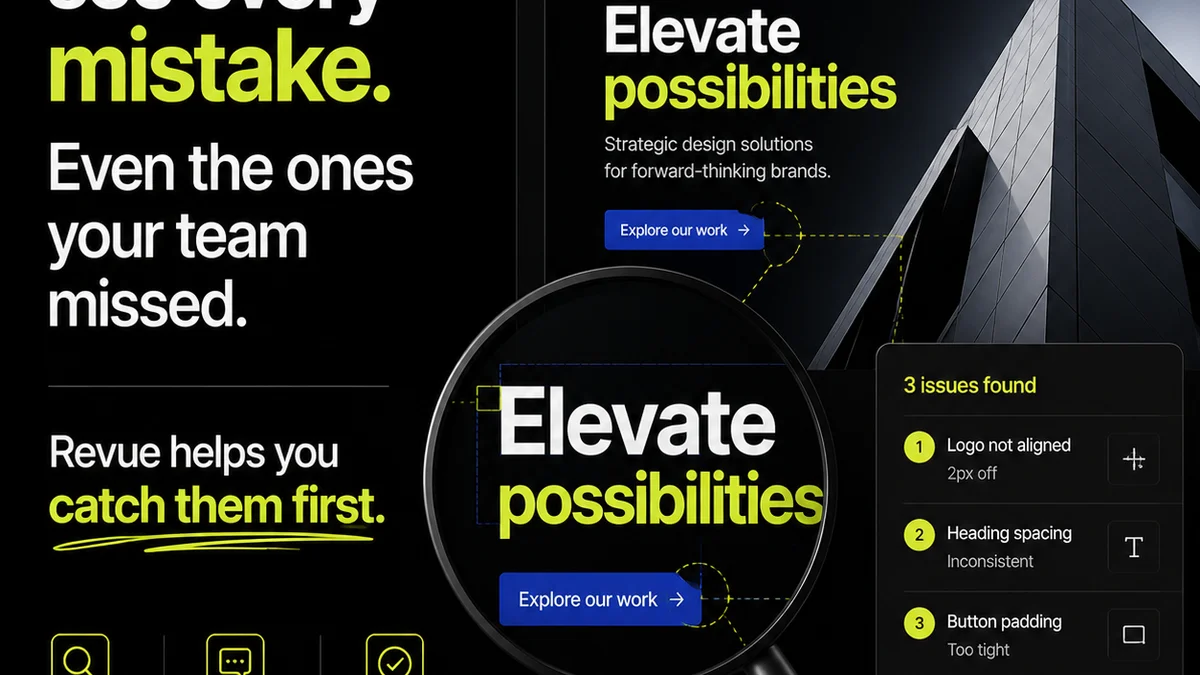
The best method is a centralized system where clients can provide feedback directly on the creative asset. This avoids scattered emails and verbal instructions. Ensure feedback is consolidated, actionable, and clearly linked to specific project milestones. Tools like Revue offer this capability.
How many revision rounds are standard for creative projects?
There's no single 'standard' as it varies by project complexity and client agreement. However, most agency contracts include 2-3 rounds of revisions. Anything beyond that should typically be considered out of scope and subject to additional charges, with clear communication to the client.