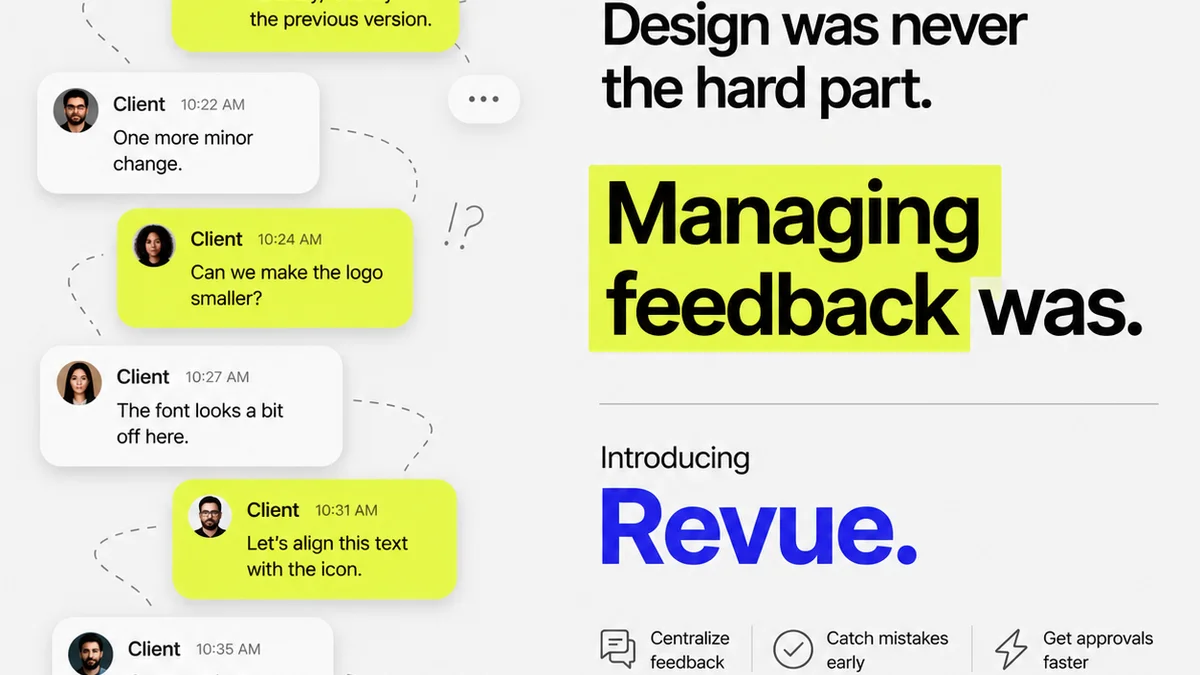
Everyone talks about client feedback. How to get it, how to process it, how to make sure it’s “actionable.” It sounds like a simple communication problem. Get the right words from the client, put them in the brief, and the creative team delivers.
None of that is wrong. But it’s incomplete. It’s like saying a race car wins because the driver steers well. True, but it ignores the engine, the tires, the pit crew, the entire engineering team.
The hard truth is that effective revision management is an operational discipline, not just a communication tactic. It’s the engine that drives creative projects to completion, on time and on budget. For marketing teams, this isn’t just about pleasing a client; it’s about hitting campaign deadlines, maintaining brand consistency, and ensuring the final output actually performs.
1. The Feedback Loop Illusion
The most common mistake is treating feedback as a singular event. A client sends an email, the team makes notes, and the work is updated. Repeat until done.
This linear view breaks down instantly. Feedback often comes in waves, from multiple stakeholders, in different formats. Emails get buried. Slack messages are missed. Phone calls are summarized imperfectly.
This chaos leads to:
- Missed feedback points
- Conflicting revisions from different stakeholders
- Scope creep disguised as “minor tweaks”
- Wasted time hunting for approvals
- Frustration across teams and with clients
The illusion is that you’re managing feedback. The reality is that feedback is managing you.
The Cost of Inefficiency
Every hour spent deciphering unclear feedback, searching for lost comments, or redoing work based on forgotten instructions is an hour not spent on strategy, creative development, or client relationship building. This directly impacts profitability and team morale.
2. Building a Robust Revision Process
A structured revision process is your defense against the chaos. It’s about creating clear pathways for feedback and approvals.
Define Roles and Responsibilities
Who gives feedback? Who consolidates it? Who approves the final version? Clarity here prevents conflicting instructions and ensures accountability.
- Primary Stakeholder: The main point of contact for feedback and final sign-off.
- Secondary Stakeholders: Provide input but don’t have final approval.
- Project Manager/Account Manager: Consolidates feedback, flags conflicts, manages the revision timeline.
- Creative Team: Executes revisions based on consolidated, approved feedback.
This structure is vital for larger projects or when working with multiple client departments.
Standardize Feedback Channels
Don't let feedback scatter across email, Slack, Google Docs comments, and carrier pigeons. Centralize it.
Use a dedicated platform. This ensures all comments are in one place, linked to specific assets, and easily trackable. It also provides a historical record.
Implement Revision Rounds
Set clear expectations for the number of revision rounds included in a project scope. Each round should have a defined purpose and a clear outcome.
- Round 1: Conceptual Feedback - Focus on direction, messaging, and overall approach.
- Round 2: Detail Feedback - Focus on specific copy, imagery, layout adjustments.
- Round 3: Final Polish - Minor tweaks, typos, ensuring adherence to brand guidelines.
Beyond the agreed-upon rounds, clearly define the process and cost for additional revisions. This manages scope creep effectively.
3. The Approval Bottleneck
Getting feedback is one hurdle. Getting a definitive “yes” is another. Approvals are often the most delayed part of the process.
Why? People are busy. They defer decisions. They assume someone else will sign off. Or, they’re hesitant to give the final “yes” without one last nitpick.
Make Approval Unmissable
Your system must make final approval clear and easy. Automated notifications are a start, but they aren’t enough.
Visual cues are powerful. A clear “Approved” status, visible to all stakeholders, leaves no room for ambiguity. This is where digital proofing tools shine.
Automate Reminders and Escalations
If a stakeholder hasn’t approved within a set timeframe, the system should automatically send reminders. If it persists, it should escalate to a higher authority or the project manager.
This takes the burden off your team to constantly chase down approvals.
4. Quality Assurance Before Delivery
The final stage before delivery is crucial. This isn’t just about fixing typos; it’s about ensuring the asset meets all requirements and is technically sound.
Think about:
- Brand guideline compliance
- Accessibility standards (e.g., WCAG guidelines for web content)
- Technical specifications (file formats, resolution, dimensions)
- Cross-browser/device compatibility (for digital assets)
- Call-to-action functionality
A checklist here is invaluable. It ensures that every critical item is reviewed systematically, reducing the chance of errors slipping through.
The Risk of Skipping QA
A seemingly minor error—a broken link, incorrect spelling, or unreadable text—can damage brand credibility and lead to costly rework. It undermines the perceived professionalism of your agency or team.
Where Revue Fits In
Managing revisions and approvals effectively requires a centralized system. This is where Revue excels.
Revue provides a single source of truth for all creative assets and client feedback. Instead of scattered emails and Slack threads, all comments are organized, annotated directly on the asset, and tracked through the revision cycle.
This visibility:
- Streamlines the consolidation of feedback from multiple stakeholders.
- Provides clear audit trails for every comment and approval.
- Reduces ambiguity and the risk of missed instructions.
- Simplifies the approval process with clear decision-making stages.
- Ensures that quality checks are thorough and documented before final delivery.
By centralizing feedback, managing revisions, and streamlining approvals, Revue helps marketing teams move faster, reduce errors, and deliver better creative work with less friction.
5. The Human Element: Collaboration and Communication
Even with the best tools, the human element remains critical. Technology facilitates, but people execute.
Open communication is key. When feedback is constructive and delivered respectfully, even difficult critiques are easier to handle.
Foster a culture where designers and marketers can ask clarifying questions without fear. Where clients understand the impact of their feedback on timelines.
Training and Onboarding
Ensure your team understands the revision process. Onboard new clients to your feedback and approval workflow from the start. Setting expectations early prevents misunderstandings later.
Final Thought
Is your team truly managing revisions, or are revisions managing your team? The difference lies in operational discipline. It’s about building systems that turn the messy reality of creative feedback into a predictable, efficient process. What small step can you take today to strengthen your revision management?
Frequently asked questions
What is the biggest mistake marketing teams make with revisions?
The biggest mistake is treating revision management as a simple communication problem. It's an operational discipline that requires structured processes, clear roles, and centralized tools to handle the complexity of feedback, approvals, and quality assurance effectively.
How can I prevent scope creep during revisions?
Prevent scope creep by clearly defining the number of revision rounds included in your project scope and what each round entails. Establish a process and pricing for any revisions requested beyond the agreed-upon rounds, and ensure all stakeholders understand these terms upfront.
Why are client approvals often delayed?
Approvals are often delayed due to busy stakeholders, a tendency to defer decisions, the assumption that someone else will sign off, or a desire to make last-minute 'minor' changes. Implementing automated reminders, escalations, and making approval status highly visible can help overcome this bottleneck.
How important is quality assurance (QA) in the revision process?
Quality assurance is critical. It's the final check to ensure the asset meets all technical specifications, brand guidelines, and accessibility standards before delivery. Skipping QA can lead to costly rework, damage brand credibility, and undermine client trust.