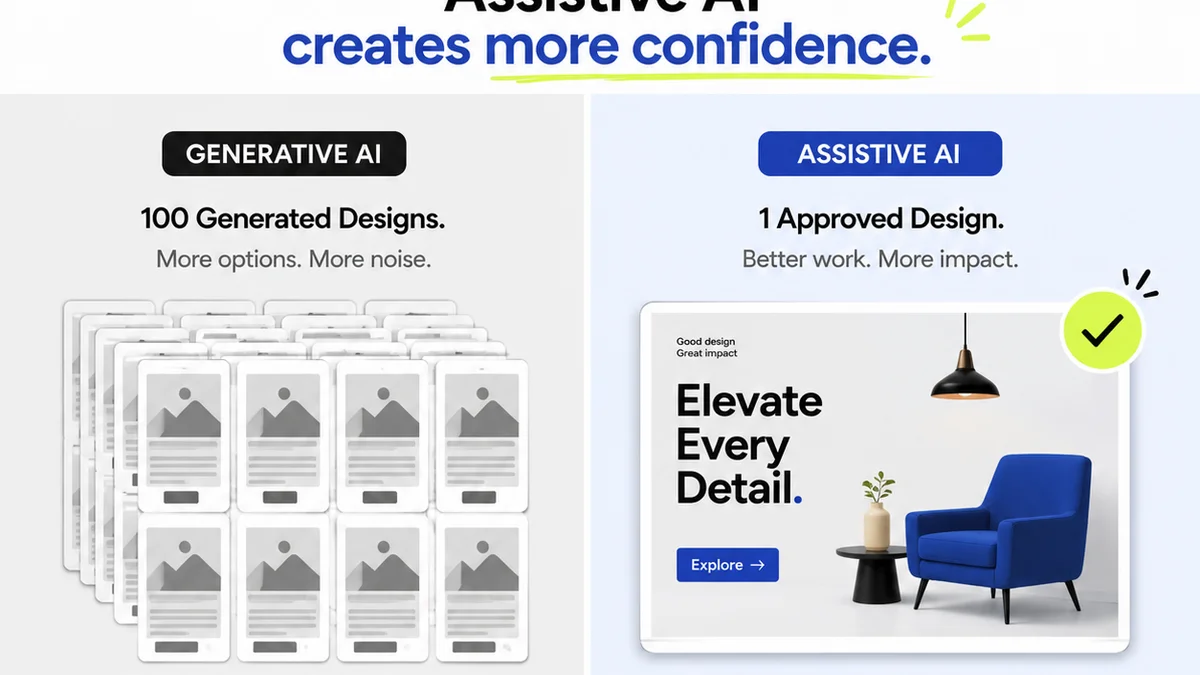
Everyone assumes revision management software is about tracking changes. That it’s a digital filing cabinet for versions. None of that is wrong. But it’s incomplete.
The hard truth? It’s not just about *tracking* changes. It’s about controlling chaos. It’s about making sure the right feedback lands in the right hands, at the right time, and that the final output is actually *right*.
1. The Illusion of Control: Why Basic Versioning Fails
Most tools offer basic version control. You upload a new file, it gets a number. Simple, right?
Wrong. This approach creates more problems than it solves:
- Endless email chains where the latest version gets lost.
- Clients approving the wrong file because they can’t easily compare versions.
- Designers drowning in
Frequently asked questions
What is the primary benefit of using revision management software?
The primary benefit is streamlining the feedback and approval process, reducing errors, saving time, and improving client communication by centralizing all project-related feedback and versions in one accessible place.
How does revision management software improve client collaboration?
It provides a clear, organized platform for clients to view project progress, leave specific feedback directly on the creative asset, and approve or reject changes, eliminating confusion and lengthy email chains.
Can revision management software help with quality control?
Yes, by providing a clear audit trail of all feedback, revisions, and approvals, it ensures that all stakeholder feedback has been addressed and that the final output meets all project requirements and client expectations.
What are the key features to look for in revision management software?
Key features include centralized feedback tools (annotations, comments), version comparison, clear approval workflows, task management, and integration capabilities with other project management tools.