Everyone knows you need to track revisions. It’s a basic tenet of creative project management. You’ve probably seen countless revision tracker templates, usually a spreadsheet with columns for date, version, changes, and approver. None of that is wrong. But it’s incomplete.
The real power of a revision tracker isn’t just recording what happened. It’s about understanding why it happened, how it impacts the project, and what you can do to prevent future issues. It’s a diagnostic tool, not just a historical log.
1. The Illusion of Control: Why Spreadsheets Fail
A basic spreadsheet feels like control. You meticulously log every iteration. You have a record. But does that record actually help you make better decisions? Usually not.
Most revision trackers end up being a digital filing cabinet for past mistakes. They don’t actively guide you toward better outcomes. They just document the chaos.
Common Spreadsheet Shortcomings
- Reactive, Not Proactive: They only tell you what *did* happen, not what *could* happen or *should* happen next.
- Data Silos: The tracker lives in a spreadsheet, separate from the actual creative assets and the client communication. Context is lost.
- Manual Burden: Updating them is tedious. This leads to incomplete or outdated information, defeating the purpose.
- Lack of Actionability: Raw data doesn't translate into clear insights or actionable steps without significant manual analysis.
- Misinterpretation: A list of changes doesn't explain the underlying strategic shifts or client confusion.
This isn’t about blaming spreadsheets. They’re tools. The problem is using the wrong tool for a complex job, or using the right tool in a limited way.
2. The Hard Truth: Revisions Are a Symptom, Not the Disease
Your revision tracker isn’t just tracking versions of a design. It’s tracking the health of your client relationship, the clarity of your brief, and the efficiency of your internal process.
Think about it. Why do projects spiral into endless revisions? It's rarely just about a designer missing a mark. It's usually deeper.
Root Causes of Excessive Revisions
- Unclear Briefing: The project started with fuzzy goals or undefined success metrics.
- Stakeholder Misalignment: Key decision-makers weren't involved early or their feedback is contradictory.
- Scope Creep: The client keeps adding new requirements that weren't part of the original agreement.
- Lack of Interim Approval: You’re going through multiple rounds of design before getting crucial directional sign-off.
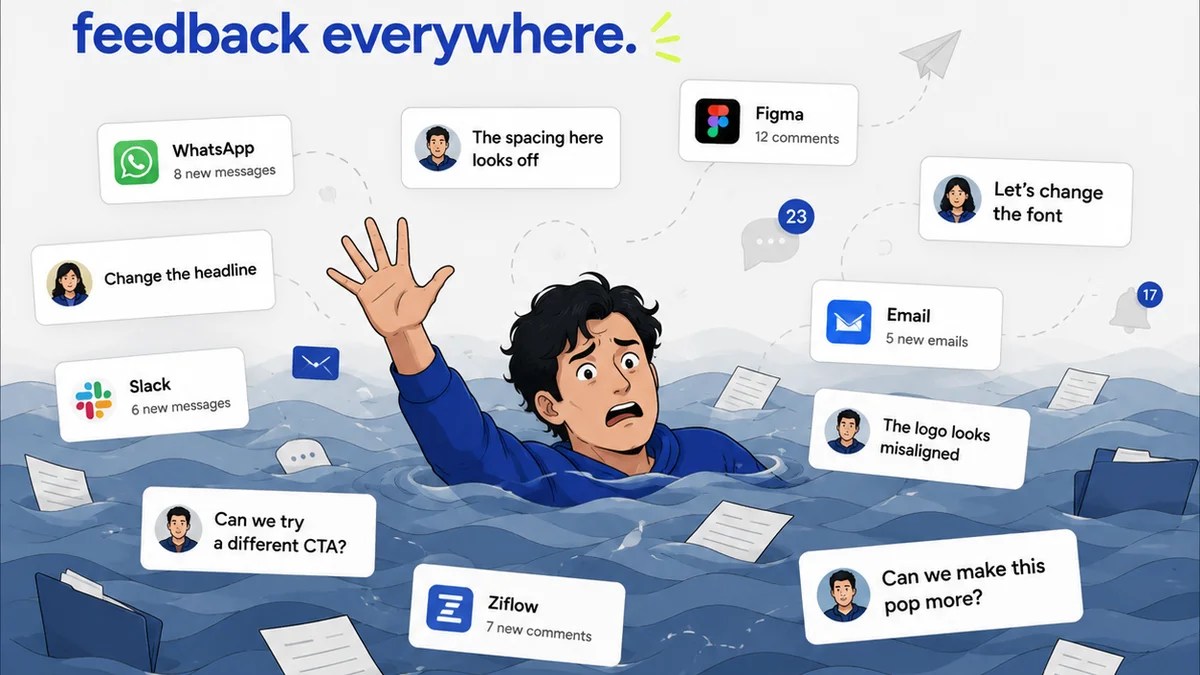
- Poor Communication: Feedback is vague, emotional, or delivered through informal channels.
A robust revision tracking system helps you spot these root causes by providing context around each change. It moves beyond simply noting 'color changed' to understanding *why* the color changed and who requested it.
3. Building a Better Revision Tracker: Key Components
Forget the generic template for a moment. Let’s talk about what makes a revision tracking system actually *work*. It needs to be integrated, insightful, and actionable.
Essential Data Points (Beyond Version Number)
Your tracker should capture more than just the technical details. It needs qualitative context.
- Date & Time Stamp: Standard, but crucial for timelines.
- Version Identifier: Clear naming convention (e.g., v1.1, v2.0).
- Requester: Who asked for the change? (Client contact, internal lead).
- Feedback Source: Where did the feedback come from? (Email, meeting notes, direct comment).
- Nature of Change: Is it a minor tweak, a strategic pivot, or a response to new information?
- Reason for Change: This is critical. Was it a brand guideline update, a new market insight, a misunderstanding of the brief?
- Impact Assessment: How does this change affect the timeline, budget, or original goals?
- Approver: Who signed off on this version?
- Status: Draft, Pending Approval, Approved, Rejected.
This richer data set transforms your tracker from a log into a diagnostic tool.
Context is King
The most effective revision trackers are not standalone documents. They are deeply connected to the project’s entire lifecycle.
This means linking feedback directly to specific assets, client conversations, and project milestones. When a client requests a change, the system should show:
- The original brief and objectives.
- Previous feedback and approvals on similar elements.
- Relevant brand guidelines or technical constraints.
- The conversation where this feedback originated.
This context prevents misinterpretations and ensures everyone is working from the same understanding.
4. Where Revue Fits In
This is where a dedicated platform like Revue makes a fundamental difference. Trying to replicate this level of integrated tracking in disparate spreadsheets and documents is a losing battle.
Revue is built to centralize client feedback and manage revisions seamlessly. Instead of a generic template, you get a workflow designed for creative operations.
- Centralized Feedback Hub: All client comments, annotations, and approvals live directly on the creative asset. No more hunting through emails.
- Clear Revision History: See every version, who made what changes, and when. Understand the evolution of the work in one place.
- Streamlined Approvals: Designate approvers and track sign-offs automatically. Reduce bottlenecks and ambiguity.
- Version Control Made Easy: Easily upload new versions and compare them side-by-side. Maintain a clear audit trail.
- Contextual Communication: Feedback is tied to the specific element it refers to, preserving context and reducing misinterpretation.
Revue moves you beyond the limitations of a basic revision tracker template by embedding tracking within the actual workflow. It turns a tedious administrative task into an inherent part of the creative process, providing real-time visibility and control.
5. Analyzing Your Revision Data for Process Improvement
Once you have a more robust system for tracking revisions, the real work begins: analysis. What does the data tell you about your agency or team?
Identify Patterns and Bottlenecks
Look for trends:
- Are certain clients consistently requesting more revisions? Why?
- Are specific types of feedback causing delays? (e.g., subjective aesthetic feedback vs. functional changes).
- Are there particular project phases where revisions spike?
- Which internal team members are most frequently involved in resolving revision conflicts?
This analysis isn't about assigning blame. It's about identifying systemic issues that can be addressed.
Refining Your Processes
Use these insights to improve:
- Briefing Process: If vague briefs lead to more revisions, invest in more rigorous intake calls and documentation.
- Client Education: If clients don't understand the revision process, communicate expectations clearly upfront.
- Internal Handoffs: If handoffs between teams cause confusion, standardize the process and documentation.
- Scope Management: If scope creep is rampant, implement stricter change order processes.
A detailed revision tracker, especially one integrated into your workflow, provides the data needed to make these targeted improvements. It’s the foundation for operational excellence.
6. Beyond Tracking: Fostering a Culture of Clarity
Ultimately, the goal isn't just to have a perfect revision tracker. It's to reduce unnecessary revisions in the first place.
This requires a shift in mindset, moving from simply documenting changes to actively preventing them through clear communication and strong processes.
A well-utilized revision tracking system supports this by:
- Encouraging precise, actionable feedback.
- Making the impact of changes transparent to all parties.
- Providing a clear record that holds everyone accountable to the agreed-upon scope and direction.
When feedback is clear, decisions are timely, and the process is transparent, the need for endless revisions diminishes. The work flows more smoothly, and both the agency and the client benefit.
Final Thought
Is your revision tracker a source of truth, or just a record of confusion? The difference lies in whether you're just logging changes, or learning from them to build a more efficient, effective creative process.
Frequently asked questions
What are the essential elements of a revision tracker?
Beyond dates and version numbers, a good tracker includes the requester, feedback source, nature and reason for the change, impact assessment, and approver. Context is key.
Why do basic spreadsheet revision trackers often fail?
They tend to be reactive, create data silos, are manually burdensome, lack actionable insights, and often fail to capture the crucial context behind why changes are requested.
How can a revision tracker help improve agency processes?
By analyzing patterns in revision requests, you can identify root causes like unclear briefs or stakeholder misalignment. This data allows you to refine briefing, communication, and scope management processes.
What's the difference between tracking revisions and managing them?
Tracking is about recording what happened. Managing is about using that information proactively to streamline feedback, ensure clarity, and prevent unnecessary iterations, leading to better project outcomes.