Everyone talks about creative compliance. Brand guidelines. Accessibility standards. Legal disclaimers. You nod along. It all sounds important, right? Like flossing or paying taxes.
But here’s the unvarnished truth: most agencies and in-house teams treat compliance as a cost center. A necessary evil. A drag on creative output and project timelines.
This view is fundamentally broken. It’s costing you money. And it’s hiding a massive opportunity.
Creative compliance, when managed strategically, isn’t a burden. It’s a powerful driver of efficiency, risk reduction, and ultimately, profitability. The real question isn’t *if* you can afford to be compliant, but *how much* you’re losing by not measuring its ROI.
1. The Hidden Costs of Non-Compliance
Think compliance is just about avoiding a slap on the wrist from legal or brand police? Think again.
The real costs are buried deep in your workflows. They manifest as:
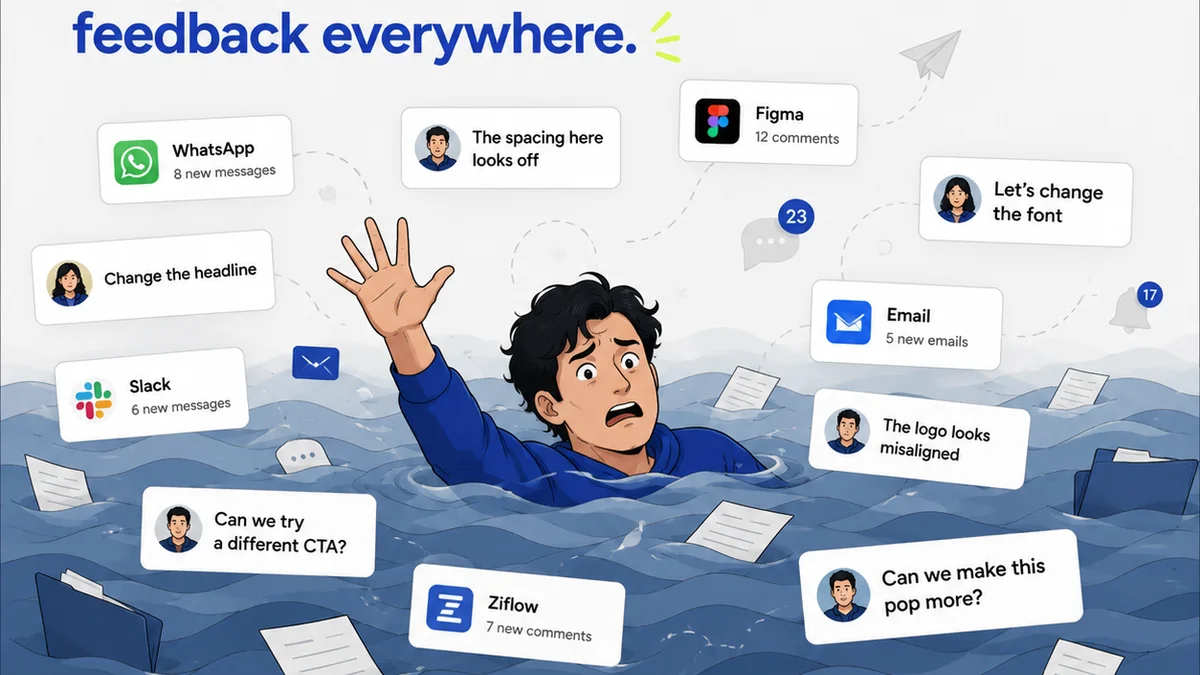
- Endless revision cycles triggered by overlooked brand assets.
- Legal reviews that spiral into scope creep because initial briefs lacked clarity.
- Client pushback on final deliverables due to unaddressed accessibility issues.
- Wasted production hours re-doing work that didn’t meet platform specifications.
- Damaged client relationships from repeated mistakes.
- Lost opportunities when projects stall due to compliance roadblocks.
These aren’t minor annoyances. They are direct drains on your billable hours and team capacity. They eat into profit margins before you even get to the actual creative work.
The
Frequently asked questions
What is creative compliance?
Creative compliance refers to adhering to established rules, guidelines, and standards in creative work. This includes brand guidelines, legal disclaimers, accessibility standards (like WCAG), platform-specific requirements, and any other regulatory or client-mandated stipulations.
Why is measuring the ROI of creative compliance important?
Measuring the ROI shifts the perspective from compliance as a cost to a strategic advantage. It helps identify inefficiencies, quantify the impact of non-compliance (wasted time, rework, risk), and justify investments in tools and processes that improve adherence, ultimately boosting profitability and reducing risk.
How can I track the costs associated with non-compliance?
Track time spent on rework due to compliance issues, number of legal/client review cycles beyond the initial scope, client feedback related to non-compliance, and instances where assets had to be re-created. Use project management software to tag and categorize these time entries.
What are the benefits of improving creative compliance?
Benefits include reduced rework and faster project timelines, minimized legal and brand risk, improved client satisfaction, enhanced brand consistency, and increased team efficiency. Strategically, it can lead to higher profit margins and a stronger competitive advantage.