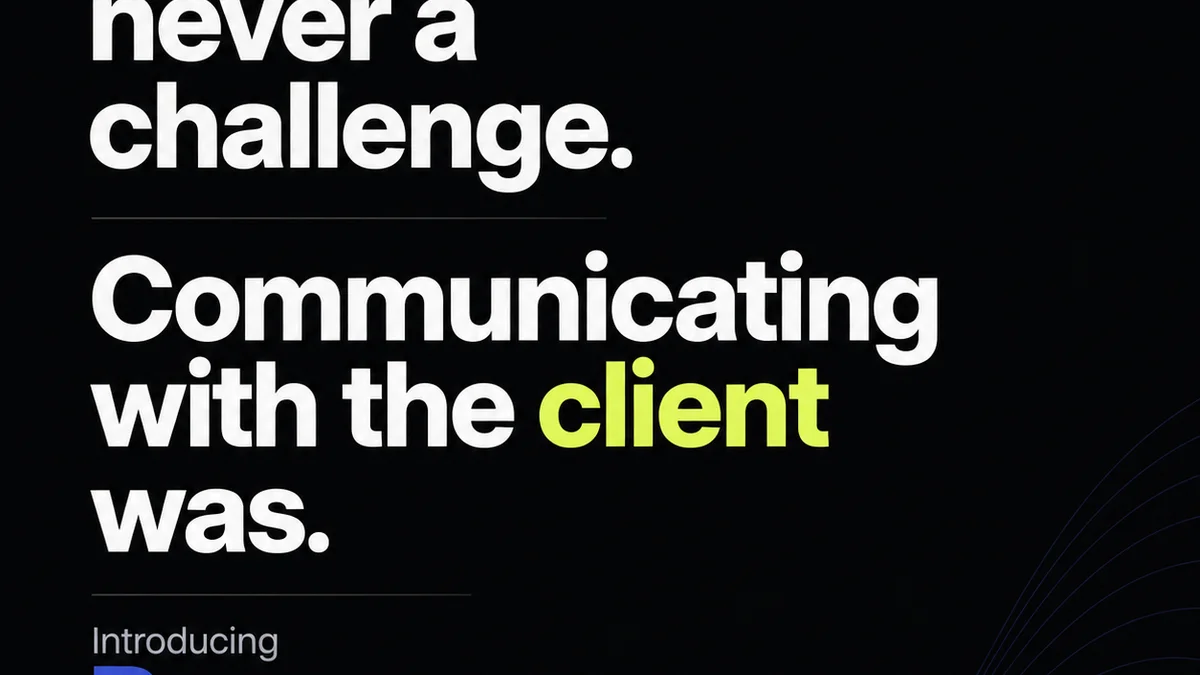
Everyone thinks running a remote design team is about virtual happy hours and flexible schedules. And sure, those things can be nice. But they don't solve the core challenges of creative collaboration.
The real work of managing a remote design team is about operational rigor. It’s about making sure every stakeholder sees the right thing at the right time and that your team isn't drowning in endless, unclear feedback loops.
1. The Illusion of Async Efficiency
The biggest myth is that asynchronous communication automatically makes teams more efficient. Just because everyone isn't in the same room doesn't mean work flows better.
What often happens is the opposite. Information gets siloed. Decisions get delayed because the right person isn't online. Feedback becomes a tangled mess across email, Slack, and random documents.
The Communication Chasm
Without deliberate structure, remote teams struggle with:
- Lack of immediate clarification for design questions.
- Lost context when feedback is given verbally or in separate threads.
- Difficulty tracking the evolution of a design through multiple revision rounds.
- Over-reliance on synchronous meetings to compensate for unclear async processes.
This isn't about blaming individuals. It's about the system.
2. Defining
Frequently asked questions
What's the biggest challenge when managing remote design teams?
The biggest challenge is maintaining clear communication, consistent feedback, and visibility into the revision and approval process without the benefit of in-person interaction. This often leads to lost context and delayed decision-making.
How can remote teams ensure design quality?
By establishing clear quality assurance checklists, using centralized platforms for feedback that prevent ambiguity, and ensuring all stakeholders have a shared understanding of project goals and acceptance criteria.
Is asynchronous communication enough for remote design teams?
Asynchronous communication is a component, but it's rarely sufficient on its own. It needs to be supported by clear processes, centralized documentation, and strategic use of synchronous touchpoints to avoid misunderstandings and ensure project momentum.
How do you handle client feedback remotely?
Centralize all client feedback in one platform where it can be organized, annotated directly on the creative assets, and tracked through revisions. This avoids scattered emails and ensures accountability.