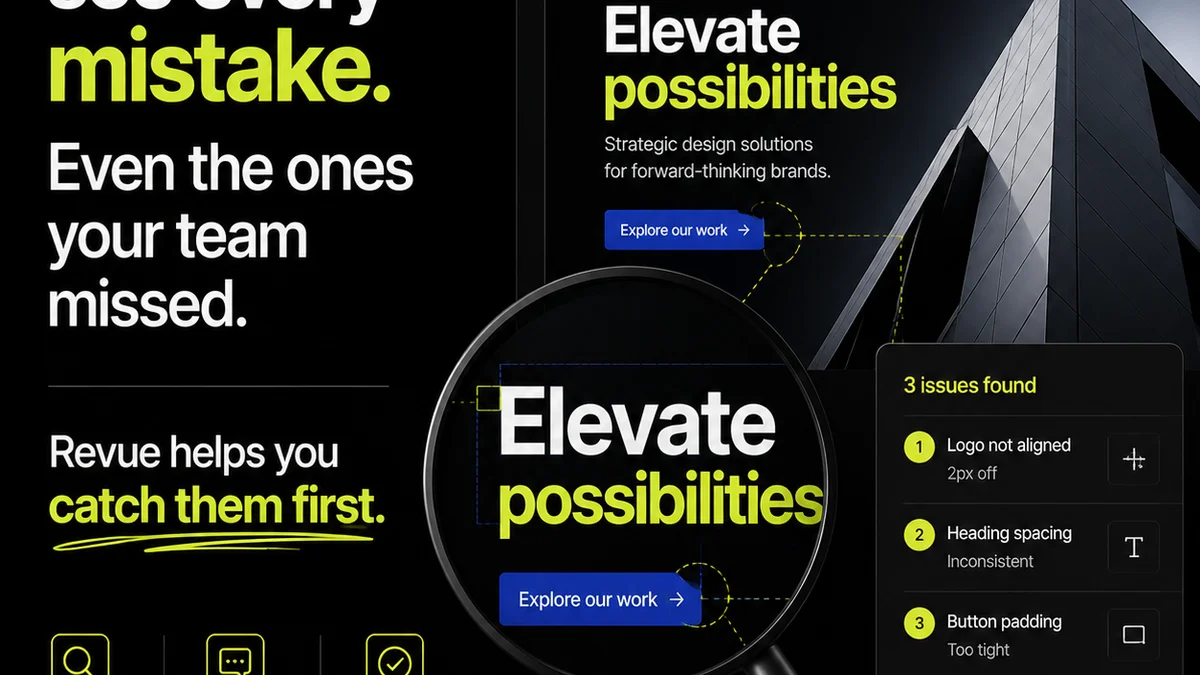
Most agencies assume that a scalable creative review process is all about the right software. Get the best DAM, the slickest project management tool, and BAM – you’re good to go.
None of that is wrong. But it’s incomplete.
The real bottleneck isn’t the tools. It’s the people, the communication, and the underlying workflow design. Especially when your team is scattered across continents and time zones.
Building a truly scalable review process for a global team isn't about cramming more features into your tech stack. It’s about ruthless clarity, defined responsibilities, and building trust across distances.
1. The Illusion of Asynchronous Efficiency
Everyone talks about asynchronous work being the key to global teams. And it is, to a degree. But relying solely on async for creative reviews is a fast track to disaster.
Why?
- Misinterpretation: Written feedback, stripped of tone and body language, is easily misunderstood. What seems clear to the reviewer might be cryptic to the creator.
- Delayed Decisions: Without real-time discussion, minor points can balloon into major roadblocks. A quick 5-minute clarification call can save days of back-and-forth email chains.
- Loss of Nuance: Creative work is rarely black and white. Color shades, subtle design choices, and the overall mood are hard to convey and critique purely through text.
The hard truth is that while async is necessary, it can’t be the *only* mode of communication for creative reviews. You need a hybrid approach.
Finding the Right Balance
The goal isn't to eliminate async, but to use it strategically. Leverage it for information sharing, initial feedback rounds, and documentation. Reserve synchronous sessions for critical decision-making, complex critiques, and building team rapport.
Think of it this way: Async for the *what*, sync for the *why* and *how*.
2. Standardize, Don’t Just Centralize
Centralizing feedback is good. Centralizing *and* standardizing is better. Global teams amplify the chaos of inconsistent review processes.
What does standardization look like in practice?
- Defined Feedback Stages: Clearly map out when and how feedback is given. Is it during concept, wireframe, or final design? Who provides it? What format is expected?
- Clear Roles and Responsibilities: Who is the final approver? Who provides subjective feedback? Who checks for technical accuracy? Ambiguity here kills scalability.
- Consistent Commenting Protocol: Are comments actionable? Are they constructive? Is there a template for feedback that ensures all key areas are covered?
Without this structure, your centralized platform becomes a dumping ground for disorganized, subjective, and often contradictory notes. It’s a digital version of shouting into the void.
The Feedback Matrix
Consider creating a simple matrix. List the project phases down one side and the stakeholders across the top. In each cell, define their role in the review process for that phase. This visual guide becomes your single source of truth.
3. The Tyranny of the Inbox
Email is the enemy of efficient creative reviews, especially for global teams. It’s fragmented, easily lost, and lacks context.
Think about the common email chain:
- A client sends feedback.
- The account manager forwards it to the creative lead.
- The creative lead forwards it to the designer.
- The designer has questions and emails back.
- The account manager has to chase the client for answers.
- Meanwhile, another stakeholder emails their
Frequently asked questions
How can I ensure feedback is clear across different time zones?
Use a hybrid approach. Leverage asynchronous tools for initial feedback and documentation, but schedule synchronous meetings for critical discussions and clarifications to avoid misinterpretations.
What are the key elements of a standardized creative review process?
Key elements include defined feedback stages, clear roles and responsibilities for stakeholders, and a consistent commenting protocol that ensures feedback is actionable and constructive.
How can we prevent feedback from getting lost with global teams?
Centralize feedback in a dedicated platform rather than relying on scattered emails or chat messages. This ensures all comments are in one place, with proper context and version history.
What's the biggest mistake agencies make with global creative reviews?
Relying too heavily on asynchronous communication without clear guidelines, or failing to establish standardized feedback protocols, leading to confusion, delays, and rework.