Everyone assumes scaling creative leadership means hiring more VPs and Directors. More layers, more people, more oversight. That’s the logical next step, right?
None of that is wrong. But it’s incomplete. It’s a symptom, not a solution.
The hard truth is that scaling creative leadership isn't about adding more managers. It's about building a scalable system for creative output and decision-making. It’s about creating frameworks that allow your best work to happen, consistently, even when you’re not in the room.
1. The Illusion of Control: Why Micromanagement Fails at Scale
As agencies grow, founders and early leaders often feel a loss of control. Projects that used to be straightforward suddenly feel chaotic. This is natural.
The instinct is to double down. More check-ins. More status meetings. More personal involvement in the details.
But this approach breaks. It burns you out. And worse, it stunts your team’s growth.
The Bottleneck Effect
When every decision, big or small, has to pass through you, you become the bottleneck. Your time is finite. Your capacity is limited.
This leads to:
- Delayed feedback
- Missed deadlines
- Frustrated creatives
- Stagnant innovation
- Your own burnout
You end up doing more, but achieving less. The quality of your leadership, not the quantity of your involvement, is what needs to scale.
2. Building a Framework for Decentralized Decision-Making
Scaling requires trust. And trust is built on clear processes and defined responsibilities.
You need to empower your team leads and senior creatives to make decisions within defined parameters. This doesn't mean abdication; it means delegation with guardrails.
Define Clear Roles and Responsibilities
Who owns what? This sounds basic, but it’s crucial. When teams are small, lines are blurry. As you scale, they must be sharp.
Ensure every team lead understands their scope of authority. What decisions can they make independently? What requires escalation?
Establish Core Creative Principles
What does
Frequently asked questions
What's the biggest mistake leaders make when scaling creative teams?
The most common mistake is trying to scale by adding more layers of management and personal oversight, rather than building scalable systems for decision-making and feedback. This often leads to becoming a bottleneck and burning out.
How can I empower my team leads to make decisions without losing quality control?
Empowerment comes from clear roles, defined parameters, and established creative principles. Provide guardrails and support, rather than dictating every step. Trust your leads to operate within the established framework.
What role does technology play in scaling creative leadership?
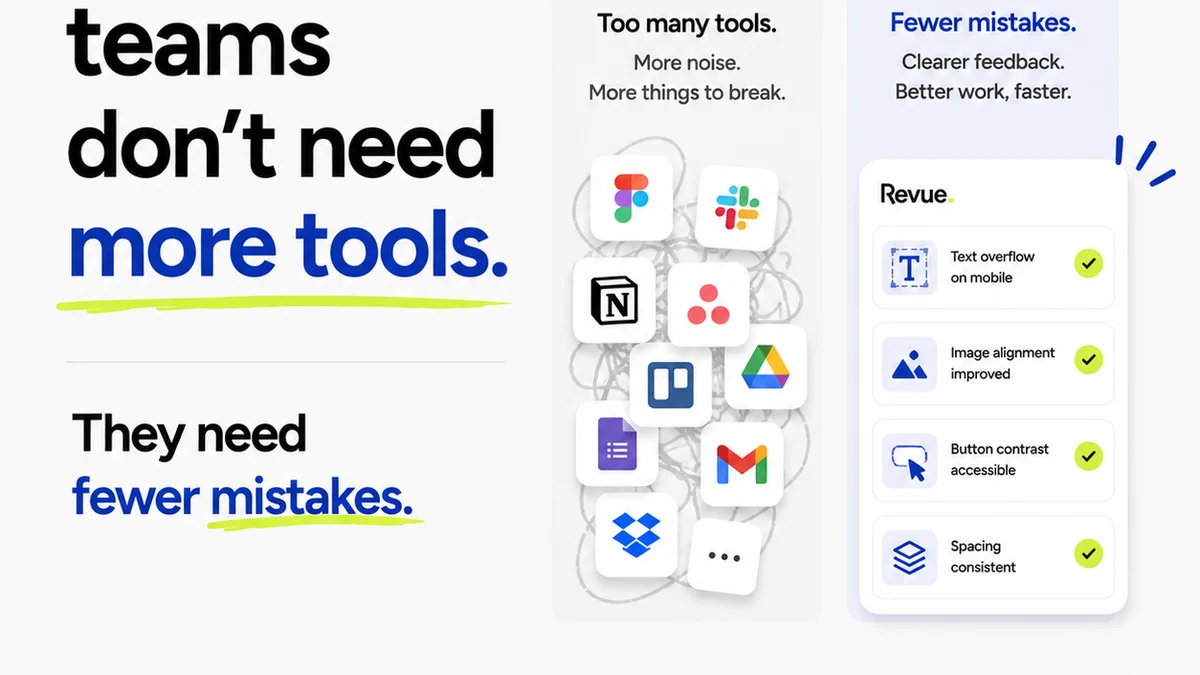
Technology, like centralized feedback and project management tools, plays a vital role. It creates transparency, streamlines communication, and ensures everyone is working from the same brief and feedback, reducing reliance on constant personal check-ins.
How do I ensure consistency in creative output across multiple teams?
Consistency is achieved through well-defined brand guidelines, core creative principles, and robust review processes. Standardizing your feedback and approval workflows also helps maintain a uniform quality standard.