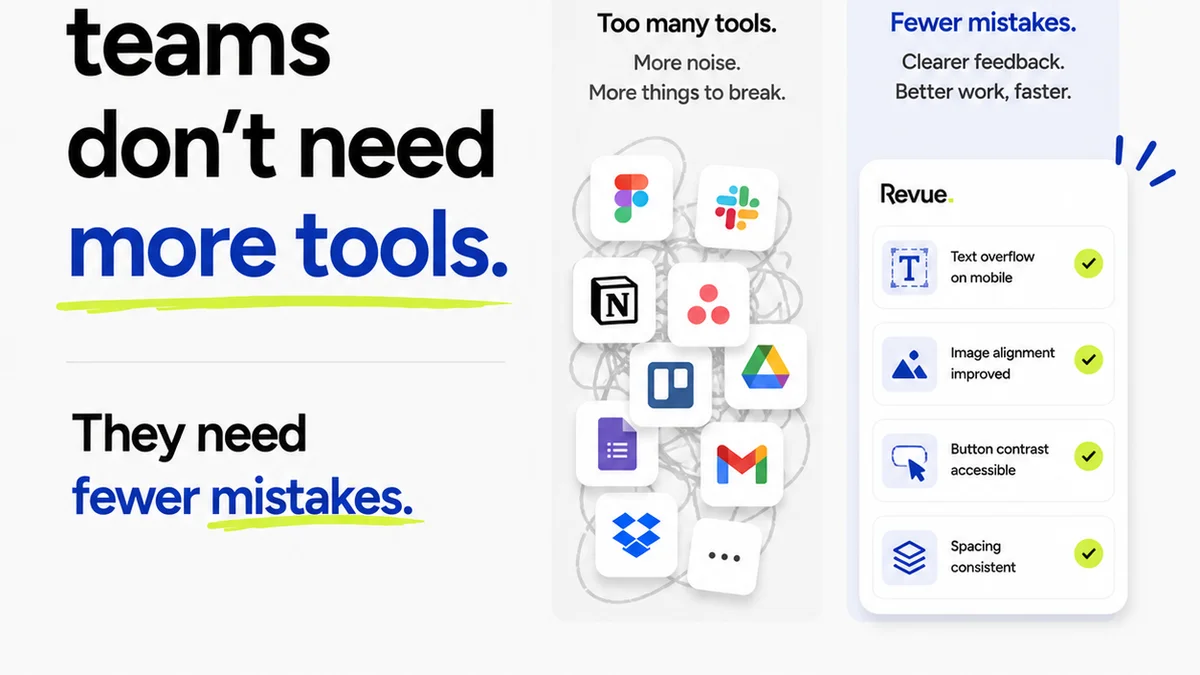
Everyone agrees that scaling your creative agency is the goal. More clients, bigger projects, higher revenue. It sounds great on paper. But the reality often looks like a team drowning in revisions, missed deadlines, and client frustration. The common advice? Hire more people. Get more tools. Streamline your processes.
None of that is wrong. But it’s incomplete.
The hard truth is that simply adding more bodies or more software won't fix a broken foundation. True operational scalability isn't about doing *more* of the same things faster. It's about fundamentally changing *how* you work to handle increased volume without sacrificing quality or sanity.
1. The Myth of the 'All-Hands-On-Deck' Crisis Mode
Many agencies fall into the trap of believing that a little bit of chaos is part of the creative process. That
Frequently asked questions
What is the biggest mistake agencies make when trying to scale operations?
The biggest mistake is assuming that simply hiring more people or buying more software will solve scaling issues. Without addressing underlying process inefficiencies and communication breakdowns, growth can lead to more chaos, not less.
How can I improve client feedback loops without slowing down projects?
Implement a centralized system for all feedback. This means one source of truth, clear annotation tools, and defined review stages. Avoid scattered emails, Slack messages, and verbal notes that get lost or misinterpreted.
What are the key signs my creative operations are not scalable?
Common signs include frequent missed deadlines, team burnout, inconsistent quality, client dissatisfaction due to miscommunication, and a reliance on 'heroics' from specific team members to pull projects through.
How does technology help with creative operations scaling?
Technology, when implemented strategically, can automate repetitive tasks, centralize communication and feedback, provide clear visibility into project progress, and ensure consistency. It removes bottlenecks caused by manual processes.