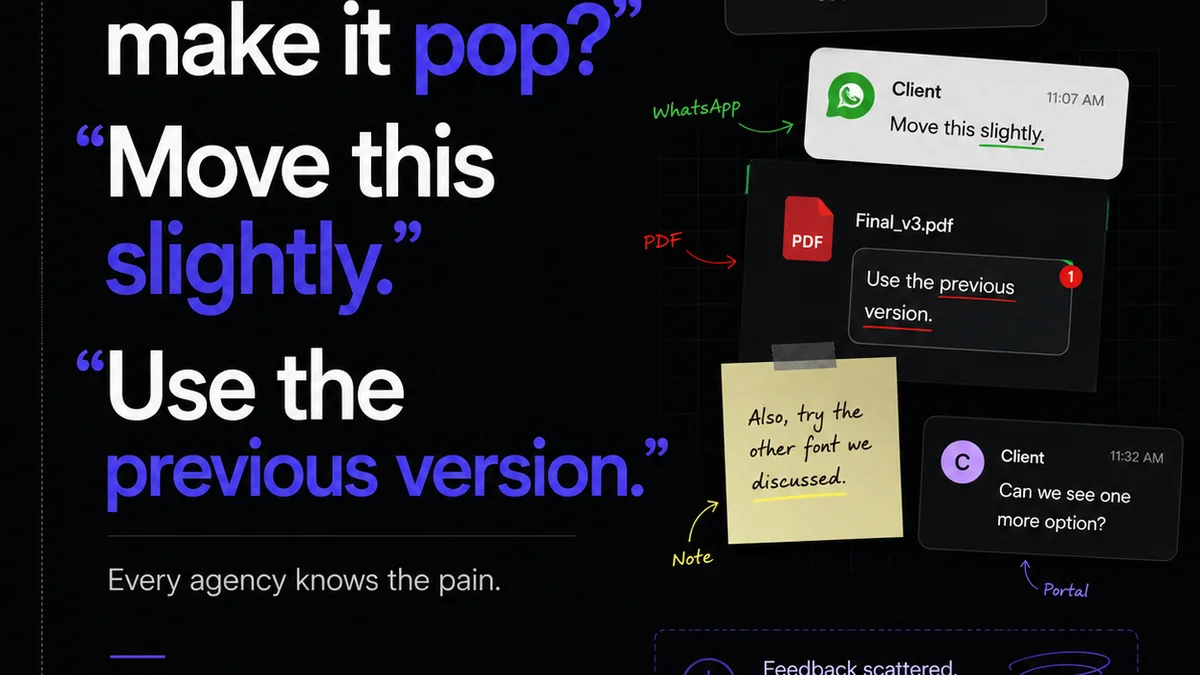
Everyone wants to scale. Especially creative agencies and in-house teams looking to expand their reach and impact. The common wisdom? Hire more people, open offices in new cities, and leverage global talent pools. Simple, right?
None of that is wrong. But it’s incomplete.
The real challenge of scaling creative operations globally isn’t just about headcount or geography. It’s about maintaining quality, consistency, and speed when your team is distributed across time zones, cultures, and communication styles.
The hard truth is that scaling creative ROI globally means mastering operational complexity, not just creative output.
1. The Myth of Seamless Global Collaboration
We assume that with the right tools and a shared Slack channel, global teams can operate as one. That technology bridges all gaps.
It doesn’t. Not really.
What often happens is that distributed teams create silos, not synergies. Communication becomes a game of telephone, with feedback getting lost or distorted across continents. Projects slow down not because of a lack of talent, but because of a lack of clear process and visibility.
The Hidden Costs of Miscommunication
Think about the daily friction:
- Missed deadlines due to misunderstood briefs.
- Redundant work because different teams are solving the same problem unaware of each other.
- Revisions that spiral out of control because the feedback loop is broken.
- Client frustration because the agency seems disorganized and out of sync.
- Burnout from team members constantly chasing down information or clarification.
These aren't minor inconveniences. They’re direct drains on profitability and client satisfaction. They erode the very ROI you’re trying to scale.
Your global team might be brilliant, but if they can’t collaborate effectively, their brilliance is bottled up.
2. Standardizing for Scale, Not Stifling Creativity
The knee-jerk reaction to chaos is often rigid standardization. Create a million rules, templates, and checklists. This feels like control. But it can also kill the creative spark that made your team valuable in the first place.
The goal isn’t to make everyone a cog. It’s to build a framework that supports creativity while ensuring operational excellence.
Finding the Balance
This means defining clear, repeatable processes for key aspects of the creative workflow:
- Briefing: How are projects initiated? What information is *always* required?
- Feedback: Who gives feedback? When? How is it documented and prioritized?
- Revisions: What’s the maximum number of revision rounds? How are scope changes managed?
- Approvals: What’s the sign-off process? Who has final authority?
- Asset Management: Where are final files stored? How are versions tracked?
This isn't about dictating creative style. It’s about dictating operational hygiene.
When processes are clear and consistent, everyone knows their role and what’s expected. This frees up mental energy for creative problem-solving, rather than administrative firefighting.
It also makes it easier to onboard new team members, regardless of their location.
3. Visibility: The Antidote to Distributed Dysfunction
When teams are in the same room, you can often gauge project status by walking around. You see people collaborating, you overhear conversations about progress or roadblocks.
In a global setup, that organic visibility evaporates.
What replaces it? Deliberate, systemized visibility.
You need a central hub where the status of every project, every piece of feedback, and every approval is clear to everyone who needs to know.
The Power of a Shared Source of Truth
This central hub should provide:
- Real-time project status: Where is each project in the workflow?
- Consolidated feedback: All client comments in one place, organized by stakeholder and version.
- Clear revision history: See exactly what changed between versions and why.
- Documented approvals: No more
Frequently asked questions
What is the biggest challenge in scaling creative ROI globally?
The biggest challenge isn't talent acquisition, but managing operational complexity. Maintaining quality, consistency, and speed across distributed teams requires robust processes and clear visibility, which are often lost during rapid scaling.
How can agencies standardize processes without killing creativity?
Standardize operational workflows, not creative output. Define clear processes for briefing, feedback, revisions, and approvals. This creates a supportive framework that ensures efficiency and quality, freeing up creative energy rather than stifling it.
Why is visibility crucial for global creative teams?
Global teams lack the organic visibility of co-located teams. Systemized visibility through a central platform provides real-time project status, consolidated feedback, and clear revision history, preventing miscommunication and ensuring everyone is aligned.
How does client feedback impact global creative ROI?
Ineffective feedback loops are a major drain on ROI. Centralizing feedback, making it actionable, and ensuring timely approvals reduces revision cycles, minimizes scope creep, and improves client satisfaction, directly boosting profitability.