Most teams think scaling global design collaboration is about finding the right software. You need a project management tool, a communication platform, maybe a fancy new design system manager. It’s all about the tech stack, right?
None of that is wrong. But it’s incomplete.
The hard truth is that scaling design collaboration across time zones and cultures isn’t a tech problem. It’s an operations problem. It’s about process, communication clarity, and building a shared understanding of how work actually gets done.
1. The Illusion of Synchronicity
We crave real-time updates. We want to see what everyone’s doing, right now. This is especially true for remote or distributed teams. The assumption is that if we can all be on the same virtual call or in the same Slack channel, we’re magically in sync.
This focus on synchronous communication is a trap.
It’s inefficient. It forces people into meetings that could be emails. It penalizes those in different time zones. And it creates a false sense of connection while masking underlying process gaps.
The Cost of Constant Availability
- Missed deadlines due to unclear handoffs.
- Redundant work because no one knew someone else was already on it.
- Burnout from teams feeling pressured to be “always on.”
- Strained client relationships due to delayed or inconsistent feedback loops.
The real goal isn’t to be synchronous. It’s to be asynchronous and effective.
2. Standardizing the Unseen
Global teams often have vastly different working styles, cultural norms around feedback, and even interpretations of project briefs. Without a standardized approach, you’re building on shaky ground.
This isn’t about forcing everyone into a rigid, bureaucratic process. It’s about creating a shared framework for how key activities happen.
Key Areas for Standardization
- Briefing and Kick-offs: How are project goals, scope, and deliverables defined and agreed upon?
- Feedback Loops: Who gives feedback, when, and how is it documented and actioned?
- Revision Cycles: What’s the process for iterating on designs, and how are approvals tracked?
- Handoffs: How are final assets prepared and transferred to the next stage or client?
When these processes are fuzzy, they become points of friction, especially when teams are spread out.
A clear, documented process acts as a universal translator. It ensures everyone understands their role and the expected workflow, regardless of their location or time zone.
3. Building Asynchronous Bridges
This is where the rubber meets the road for global teams. Asynchronous workflows are your best friend. They allow team members to contribute effectively without needing to be online at the same time.
Think of it as building a high-quality, well-maintained bridge. People can cross it at their own pace, knowing it’s solid and reliable.
Designing for Asynchronicity
- Clear Documentation: Every decision, feedback point, and iteration needs to be documented and accessible.
- Defined Channels: Use specific tools for specific types of communication. Slack for quick chats, email for formal confirmations, and a dedicated platform for feedback and approvals.
- Context is King: Provide ample context with every request or piece of work. Assume the reviewer has zero prior knowledge.
- Structured Feedback: Don’t just say “I don’t like it.” Provide specific, actionable feedback tied to project goals.
This requires discipline. It means investing time in writing clear briefs, detailed comments, and thorough documentation upfront.
But the payoff is immense: reduced meeting time, greater flexibility, and a more inclusive environment for global talent.
4. The Feedback Bottleneck: A Global Purgatory
If there’s one area that consistently trips up global design teams, it’s feedback and approvals. Client feedback, internal reviews, stakeholder sign-offs — it’s a complex web.
When feedback is scattered across email threads, Slack messages, and random file comments, it becomes impossible to manage. For global teams, this gets amplified.
You end up with:
- Conflicting feedback from different stakeholders.
- Missed feedback because it was buried in an old email.
- Endless clarification loops trying to understand subjective comments.
- Frustration for designers who can’t get clear direction.
This isn’t just an annoyance; it’s a direct drain on productivity and can severely impact project timelines and client satisfaction.
5. Where Revue Fits In
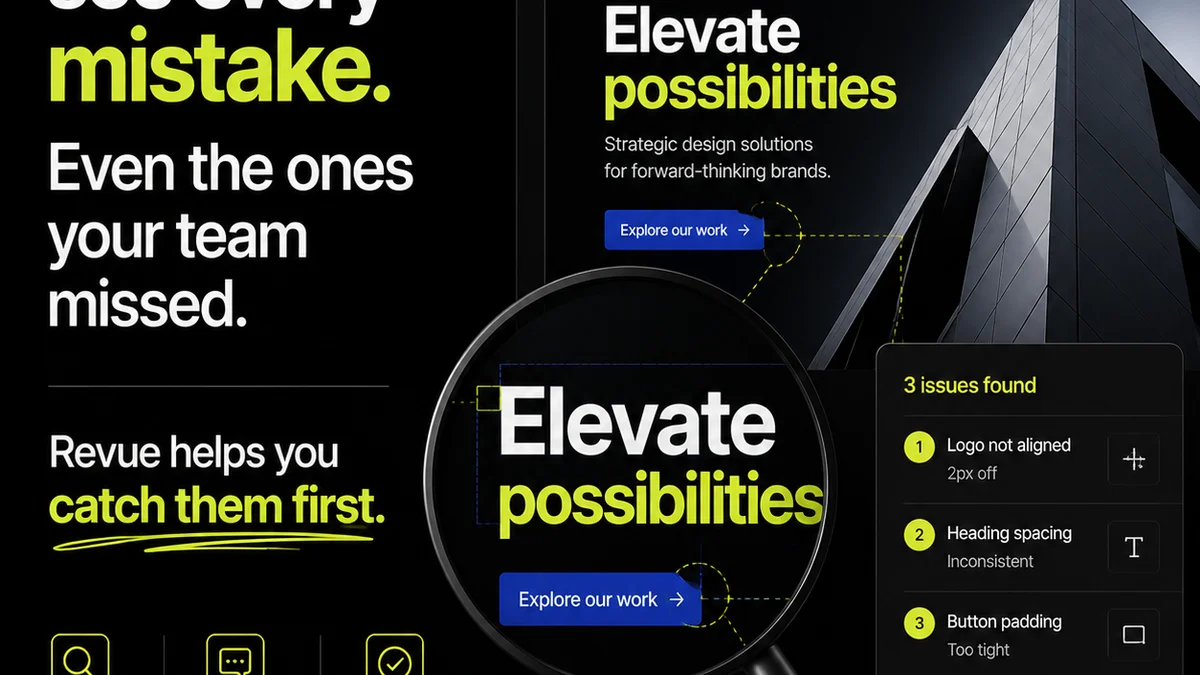
This is precisely why platforms like Revue exist. They aren’t just another tool; they are operational infrastructure designed to solve these exact problems for creative teams.
Revue provides a centralized hub for all client feedback and revision tracking. Instead of sifting through endless emails or chat logs, everything lives in one place.
- Centralized Feedback: All comments, annotations, and approvals are logged against specific versions of the creative asset. No more hunting for that one email from last Tuesday.
- Revision Visibility: Track every iteration clearly. See what changed, who approved it, and when. This creates an undeniable audit trail and reduces ambiguity.
- Quality Checks: By having a structured process for feedback and approvals, you inherently build in quality checks. You can ensure feedback is actionable and that final sign-offs are documented and defensible.
This operational rigor is what allows global teams to move faster and with more confidence. It transforms chaotic communication into clear, actionable steps.
6. Cultivating a Culture of Clarity
Ultimately, scaling design collaboration is about more than just processes and tools. It’s about fostering a culture where clarity is paramount.
This means:
- Encouraging proactive communication.
- Rewarding thorough documentation.
- Establishing clear roles and responsibilities.
- Empowering team members to push back respectfully when processes aren’t clear or efficient.
It requires leadership to champion these principles and consistently reinforce their importance.
When clarity becomes a core value, the operational friction of working across distances and time zones begins to dissolve.
Final Thought
Are you investing in tools that *support* your operations, or are you hoping tools will *replace* the need for sound operational strategy? The distinction is critical for building a truly scalable, high-performing global design team.
Frequently asked questions
What's the biggest misconception about scaling global design collaboration?
The biggest misconception is that it's primarily a technology problem. While tools are important, the core challenge lies in operationalizing clear processes for communication, feedback, and approvals across different time zones and cultures.
How can asynchronous communication improve global design teams?
Asynchronous communication allows team members to contribute effectively without needing to be online simultaneously. This reduces meeting overhead, accommodates different time zones, and encourages more thoughtful, documented communication, leading to greater efficiency and inclusivity.
What are the most critical areas for standardization in global design teams?
Key areas include briefing and kick-offs, feedback loops, revision cycles, and asset handoffs. Standardizing these processes ensures everyone understands their role and the expected workflow, reducing confusion and friction.
How does a platform like Revue help with global design collaboration?
Revue provides a centralized system for managing client feedback, revisions, and approvals. This eliminates scattered communication, creates a clear audit trail, and ensures all stakeholders are working from the same, up-to-date information, which is crucial for distributed teams.