Everyone assumes scaling creative production means compromising on quality. That more output equals less polish. That you have to choose between speed and excellence.
None of that is wrong. But it’s incomplete.
The real challenge isn’t simply doing more. It’s building a system where quality is an inherent part of the process, not an afterthought that slows everything down. It’s about operationalizing excellence.
1. The Myth of the Miraculous Creative
We love the idea of the lone genius, the artist who can conjure brilliance out of thin air, on demand. Agencies and in-house teams often build their reputations around a few star players.
But what happens when those stars are overloaded? Or when they leave? The whole operation grinds to a halt. That’s not a scalable model. It’s a bottleneck disguised as talent.
Scaling quality means moving beyond relying on individual magic. It means building processes that elevate everyone’s work, not just the select few.
The System Over the Star
The deeper truth is that consistent, high-quality creative output comes from robust systems, not just brilliant individuals. It’s about creating an environment where good work is the norm, not the exception.
- Clear briefs that leave no room for interpretation.
- Standardized creative review processes.
- Defined quality gates at each stage.
- Tools that support, rather than hinder, the creative flow.
2. Feedback: The Unseen Bottleneck
Client feedback is the lifeblood of creative work. But for most agencies, it’s also a black hole. Emails get lost. Comments are vague. Revisions spiral out of control.
This isn’t just frustrating; it’s a massive drain on productivity and a direct threat to quality.
Vague, unstructured feedback forces creatives to guess. It leads to multiple rounds of revisions that don’t actually address the core issue. It’s a recipe for burnout and mediocrity.
Taming the Feedback Beast
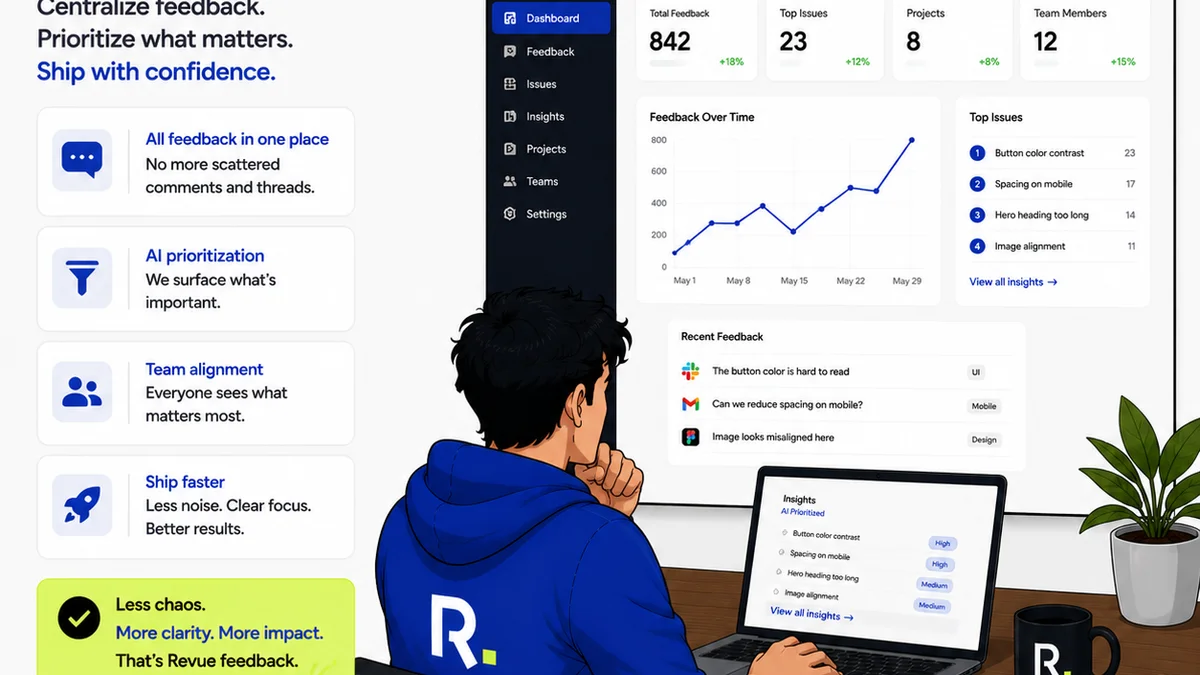
You need a single source of truth for all feedback. A place where comments are contextual, actionable, and trackable.
- Consolidate all client comments in one place.
- Ensure feedback is tied directly to the creative asset.
- Implement version control that makes it clear which feedback applies to which iteration.
- Establish clear communication channels for clarifying feedback.
This isn’t about silencing clients; it’s about making their input more effective.
3. Revision Hell: When More Work Means Less Progress
The revision process is where many projects go to die. A single round of feedback can easily turn into five, ten, or more. Each round adds time, cost, and frustration.
Often, this happens because the initial brief was weak, or the feedback wasn’t clear. Sometimes, it’s scope creep disguised as
Frequently asked questions
What is the biggest misconception about scaling creative production?
The biggest misconception is that scaling means sacrificing quality. In reality, scaling effectively means building systems that embed quality into the production process, allowing for both increased output and high standards.
How can agencies improve the quality of client feedback?
Agencies can improve client feedback by establishing clear communication protocols, using centralized platforms for feedback, ensuring briefs are thorough, and educating clients on how to provide actionable, contextual comments.
What role does technology play in scaling creative quality?
Technology plays a crucial role by providing centralized platforms for feedback, version control, project tracking, and communication. This streamlines workflows, reduces errors, and ensures consistency, all of which contribute to scaling quality.
How do you manage revisions effectively to avoid slowing down production?
Effective revision management involves having clear initial briefs, consolidating feedback, using version control, setting clear revision limits, and ensuring creatives have the context they need to address feedback efficiently. Centralized tools are key.