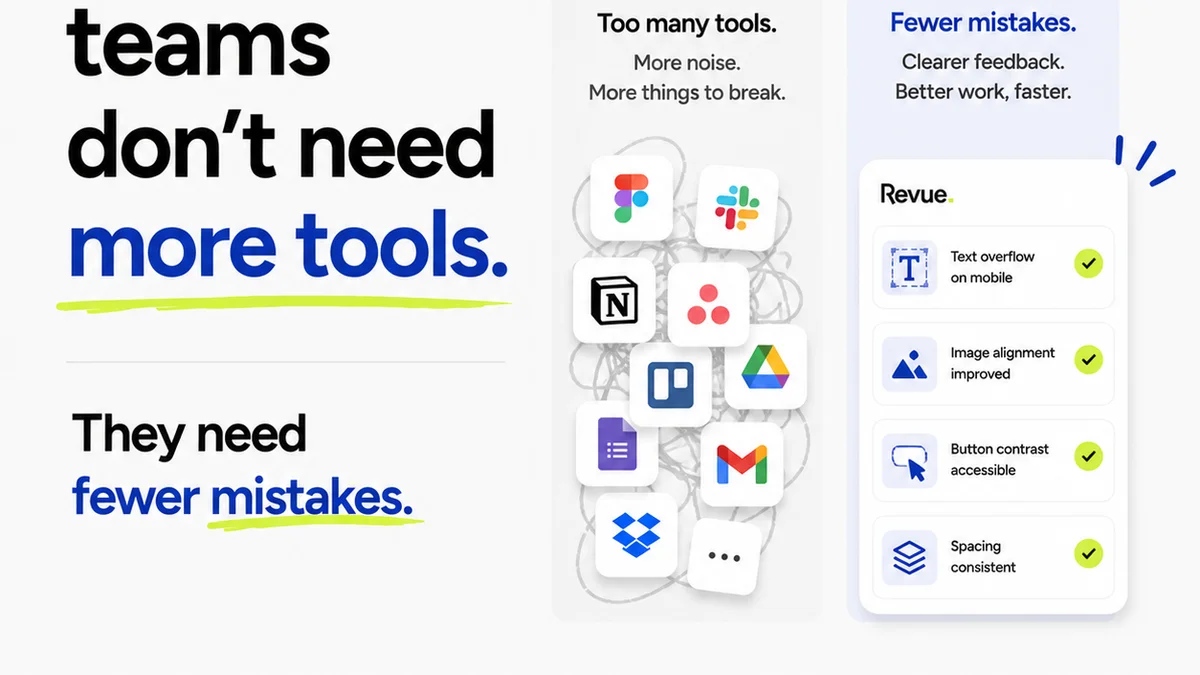
Everyone wants to scale. Especially creative agencies and in-house teams looking to serve more clients or handle bigger projects. The common wisdom? Hire more people, open new offices in strategic global locations, and leverage time zone differences. It sounds like a recipe for rocket-fueled growth.
None of that is wrong. But it’s incomplete.
The real bottleneck to scaling creative operations globally isn't headcount or geography. It's the messy, often chaotic, process of feedback and approvals.
The Hard Truth: Your Feedback Loop is Your Bottleneck
You can hire the best talent in London, New York, and Singapore, but if their feedback processes are disconnected, inconsistent, or opaque, you're not scaling. You're just multiplying confusion.
Think about it.
Global teams mean multiple stakeholders, diverse cultural nuances in communication, varying levels of technical understanding, and different project management tools (or no tools at all). When feedback gets lost, misinterpreted, or delayed, it doesn't just slow down one project. It creates a ripple effect that impacts timelines, budgets, client relationships, and team morale across the entire organization.
Scaling creative work isn't about having more hands on deck; it's about having a single, clear, and efficient system for managing the creative output and the crucial input that shapes it.
1. The Illusion of Centralization
Decentralized Tools, Centralized Chaos
Many companies *think* they're centralized because they have a main office or a single project management tool. But if feedback is still happening via:
- Endless email chains
- Scattered Slack messages
- Random Zoom call notes
- Markups on exported JPEGs
- Verbal instructions that are never documented
Then you're not centralized. You're just experiencing the same chaos in more locations.
This fragmentation means:
- Version control nightmares.
- Key stakeholders missing critical feedback.
- Inability to track the history of decisions.
- Wasted time hunting for information.
- Difficulty in onboarding new team members.
Each office, each team, might have its own preferred method, creating silos within silos.
The Cultural Divide in Feedback
Directness. Indirectness. Tone. Nuance. What's considered constructive in one culture might be perceived as aggressive in another. Without a standardized framework, these cultural differences in giving and receiving feedback can lead to misunderstandings that derail projects and damage relationships.
You need a system that transcends cultural communication styles, providing a neutral ground for objective review.
2. The Cost of Inefficiency
Time is Money, Especially in Creative
Every hour spent deciphering unclear feedback, chasing down missing comments, or redoing work because of a misunderstood revision is an hour that doesn't get billed to a client or spent on new business.
For global teams, this inefficiency is amplified:
- Time Zone Delays: Waiting 12 hours for a clarification means a full day lost.
- Language Barriers: Misinterpretations due to language can lead to significant rework.
- Tool Overload: Juggling multiple platforms for different teams consumes valuable time.
- Lack of Visibility: Not knowing the status of feedback or approvals creates bottlenecks.
This isn't just about hitting deadlines; it's about profitability. Inefficient feedback loops directly eat into your margins.
The Erosion of Quality
When feedback is scattered and hard to track, the temptation is to make the
Frequently asked questions
What is the biggest challenge in scaling creative teams globally?
The biggest challenge isn't hiring more people or opening offices, but managing the complexity and inconsistency of feedback and approval processes across different locations and cultures.
How do time zones impact creative feedback?
Time zones significantly amplify delays. Waiting for feedback or clarification across different time zones can lead to entire days being lost in the project timeline, directly impacting efficiency and profitability.
Why is a centralized feedback system crucial for global teams?
A centralized system ensures everyone is working from the same information, reduces misinterpretations, tracks revisions transparently, and allows for consistent quality control, regardless of geographical location or cultural communication styles.
Can cultural differences in feedback be managed effectively?
Yes, by implementing a standardized feedback platform that focuses on objective comments and clear action items, rather than relying on subjective or culturally nuanced communication styles. This provides a neutral ground for review.