Everyone thinks scaling digital asset management (DAM) for global teams is about buying more storage. Or maybe implementing a fancier cloud platform. None of that is wrong. But it’s incomplete.
The hard truth? Scaling DAM globally is less about the *where* and more about the *how*. It’s about process, clarity, and ensuring your distributed creative teams aren't just storing files, but actively working with them frictionlessly.
1. The Illusion of Centralization
The first hurdle is the misconception that a central repository automatically solves global collaboration. A single cloud drive can become a black hole if not managed with specific workflows in mind.
What looks like a solution often becomes:
- A dumping ground for unorganized files.
- A source of confusion about which version is final.
- A bottleneck for teams in different time zones.
- A compliance nightmare waiting to happen.
Simply uploading everything doesn't mean it's accessible or usable. It just means it’s *somewhere*.
Beyond the Folder Structure
A robust DAM strategy goes deeper than a hierarchical folder system. It requires metadata that’s not just descriptive but actionable.
Think about how teams *search* for assets:
- By project name?
- By client?
- By campaign theme?
- By visual style?
- By usage rights?
Your DAM needs to support all these queries, not just a rigid, predefined structure. This means investing time in defining your metadata schema upfront, with global input.
2. Standardizing Workflows, Not Just Assets
Global teams operate in different cultural contexts, speak different languages, and work across significant time differences. A one-size-fits-all approach to asset handling just won’t cut it.
Scaling DAM means standardizing the *processes* around asset creation, review, approval, and distribution.
The Chaos of Disparate Processes
Without standardized workflows, you’ll see:
- Inconsistent file naming conventions across regions.
- Varying levels of detail in project briefs.
- Different approval gates, leading to rework.
- Misunderstandings about asset usage rights and licensing.
- Redundant asset creation because nobody knows what already exists.
This isn’t just inefficient; it’s costly. It leads to duplicated effort and missed deadlines.
Defining the Global Playbook
Your playbook needs to cover:
- Onboarding new assets: What information is mandatory before an asset can be uploaded?
- Versioning: How are revisions tracked? Who can overwrite? What’s the history?
- Approval Chains: Who needs to sign off, and in what order? How is this tracked?
- Distribution: How are approved assets made available to different teams or external partners? What are the access controls?
- Archiving: When and how are old assets retired?
This playbook becomes the single source of truth for how assets move through your organization, regardless of location.
3. Bridging the Communication Gap
The biggest killer of global creative projects isn't technology; it's communication breakdown. DAM systems, when implemented correctly, become a central hub for this communication.
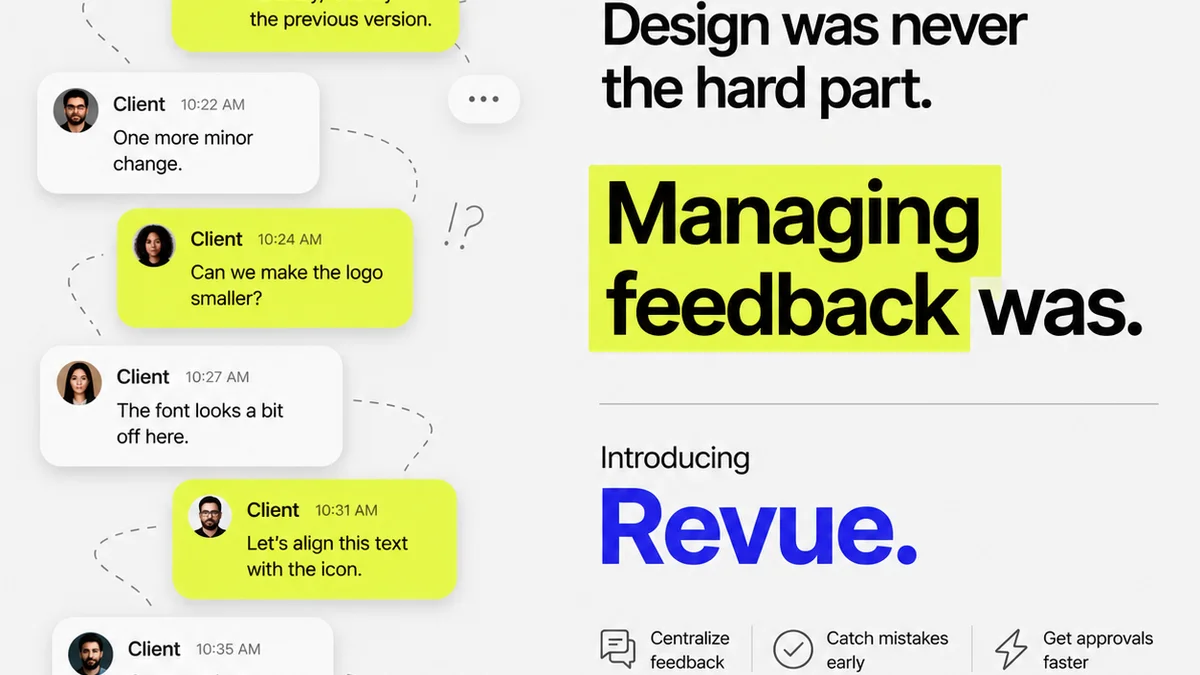
If feedback is scattered across emails, Slack channels, and random documents, your DAM isn't solving the problem; it's just another place to look.
Feedback Loops That Break
Consider the common pitfalls:
- Client feedback buried in a lengthy email thread.
- Designers waiting days for consolidated comments.
- Misinterpretation of subjective feedback.
- No clear record of who said what, when.
- Difficulty tracking if all feedback points have been addressed.
This leads to frustration, delays, and off-brand results. Your DAM should integrate directly with how feedback is given and managed.
Context is King
The most effective DAM solutions provide context. This means feedback is tied directly to the specific asset and the specific version being reviewed.
It also means providing tools for clear annotation, version comparison, and status tracking. When everyone can see the same information, in the same place, communication barriers start to fall.
4. Ensuring Quality and Compliance Globally
Maintaining brand consistency and adhering to legal requirements across different markets is a monumental task. A scalable DAM is crucial for this.
It’s not just about having the right logo file; it’s about ensuring the *correct* usage of that logo, in the *correct* context, with the *correct* legal disclaimers.
The Risks of Inconsistency
Without strong DAM controls, global teams risk:
- Using outdated brand guidelines.
- Applying assets in ways that violate local regulations (e.g., advertising standards, privacy laws).
- Distributing assets with expired licenses.
- Creating campaigns that are visually inconsistent across regions, diluting brand impact.
These aren't minor oversights; they can lead to significant financial penalties and brand damage.
Automating Checks and Balances
A sophisticated DAM system can automate certain quality and compliance checks.
This might include:
- Mandatory fields for usage rights and expiry dates.
- Automated notifications for expiring licenses.
- Templates for common asset types that enforce brand standards.
- Integration with legal review processes.
This shifts compliance from a manual chore to a built-in function of the workflow.
Where Revue Fits In
Managing digital assets globally means managing the chaos of feedback, revisions, and approvals. This is precisely where Revue excels.
Instead of assets living in a siloed DAM with feedback scattered elsewhere, Revue integrates these critical stages.
- Centralized Feedback: Clients and stakeholders provide feedback directly on the creative assets within Revue, eliminating email chains and scattered comments.
- Revision Visibility: Every revision and approval step is tracked, providing a clear audit trail. Global teams can see exactly what changed, who approved it, and when.
- Quality Control: By ensuring all feedback and approvals happen within a structured environment, you reduce the chance of errors slipping through the cracks before an asset is finalized and pushed to your DAM.
Revue acts as the crucial layer that connects your DAM to the human element of creative production, ensuring that assets are not just stored but are correctly reviewed, approved, and ready for global deployment.
Final Thought
Scaling your DAM for global teams isn't about finding the biggest hard drive. It's about building a system of clarity, control, and communication that transcends geography. Are you managing your assets, or are your assets managing you?
Frequently asked questions
What's the biggest mistake companies make when scaling DAM for global teams?
The biggest mistake is focusing solely on technology and storage capacity. Scaling DAM effectively requires standardizing workflows, improving communication channels, and implementing clear processes for feedback and approvals across all regions.
How does metadata help with global DAM scalability?
Robust metadata allows for better organization, searchability, and categorization of assets, regardless of regional differences. It ensures that teams worldwide can find the exact asset they need quickly, based on project, client, campaign, or usage rights, rather than relying on rigid folder structures.
What role does communication play in scaling DAM globally?
Communication is paramount. A scalable DAM system should facilitate clear, contextual feedback and approval tracking directly on assets, minimizing misunderstandings and delays caused by scattered communication across emails, chats, or documents. This is especially critical for teams in different time zones.
How can a DAM system help with compliance for global teams?
A DAM can enforce compliance by tracking usage rights, license expiry dates, and ensuring assets are used according to brand guidelines and local regulations. Features like mandatory fields for rights information and automated expiry notifications help prevent costly legal issues.