You’d think scaling design documentation for global teams is about finding the right software. Maybe a shared cloud drive, a fancy wiki, or a project management tool that promises to centralize everything. None of that is wrong. But it’s incomplete.
The real challenge of scaling design documentation across continents and time zones isn’t the tools. It’s the people. It’s the inherent friction in bringing diverse teams together around a single source of truth when that truth is constantly shifting.
The hard truth is: documentation scales when process scales, and process scales when human behavior is intentionally guided, not just enabled by technology.
1. The Illusion of Centralization
Everyone wants a single source of truth. It’s the holy grail of efficient operations. But what does “centralized” really mean when your team is spread across London, New York, and Singapore?
Does it mean one giant, unwieldy repository that no one can navigate?
Or does it mean a system where information is not only stored but actively *used* and *updated* by everyone, regardless of their location or working hours?
The Pitfalls of the Digital Dumpster
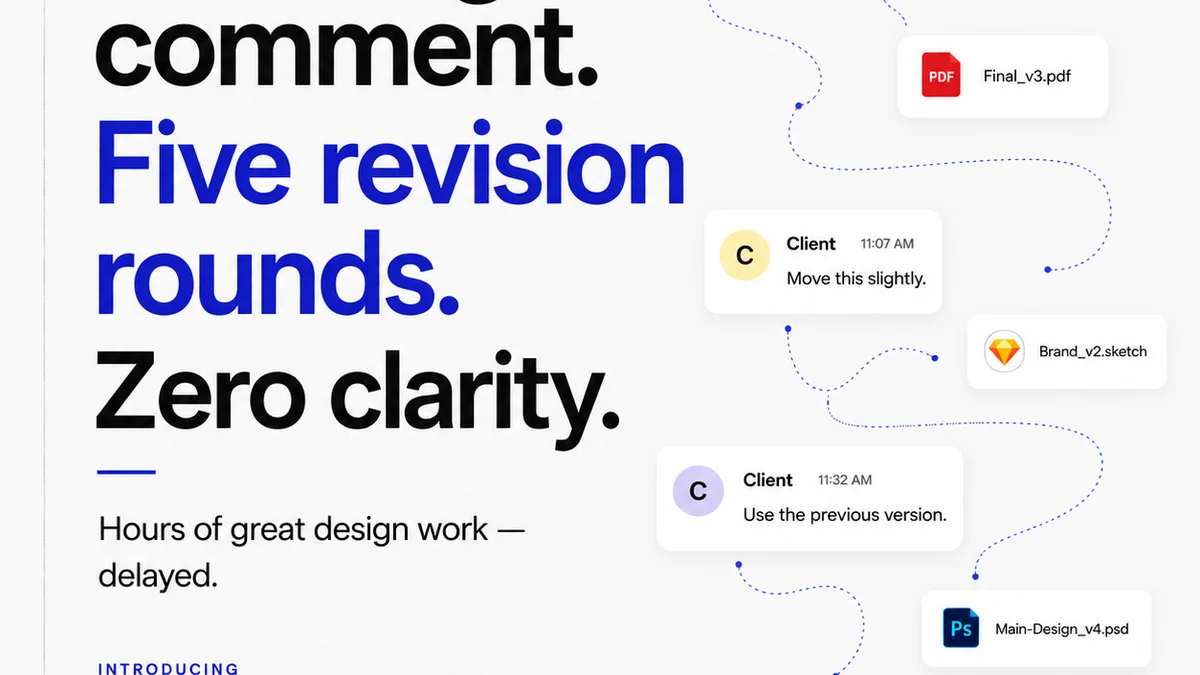
Too often, “centralized documentation” becomes a digital dumpster. Files are uploaded, but never organized. Version control is a myth. Key decisions get buried in email threads or Slack channels, never making it into the official record.
- Ambiguous file names (e.g., “Final_Design_v3_ReallyFinal.pdf”).
- Outdated assets living alongside current ones.
- Lack of clear ownership for documentation updates.
- Information silos persist, despite the shared platform.
This isn't centralization; it's just a different kind of chaos.
Defining
Frequently asked questions
What is the biggest challenge in scaling design documentation for global teams?
The biggest challenge isn't the technology, but managing human behavior and ensuring consistent adoption of processes across different locations and time zones. It requires intentional guidance, not just enabling tools.
How can I ensure my global team actually uses the centralized documentation?
Integrate documentation into daily workflows. Make it easy to find, easy to update, and clearly link it to project milestones and decision-making. Training and reinforcement are key.
What are the essential elements of a scalable design documentation process?
Clear ownership, standardized templates, defined version control, accessible storage, and a feedback loop for continuous improvement. Crucially, it needs to be understood and valued by the entire team.
How does Revue help with global design documentation?
Revue centralizes client feedback, revision history, and approval status in one accessible place. This visibility streamlines communication and ensures everyone is working from the latest, approved assets, reducing the need for scattered documentation.