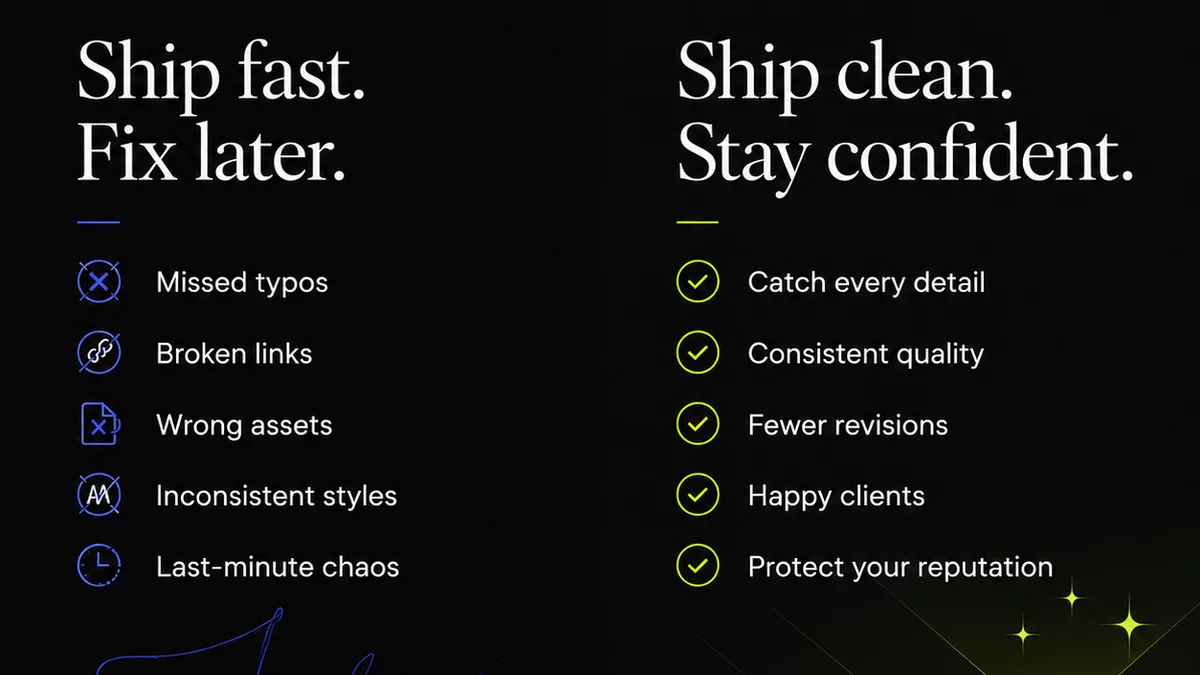
Everyone agrees DesignOps is essential. It’s the engine that keeps creative teams humming. But when you’re running multiple teams, or working across different departments, the usual DesignOps playbook starts to fray.
You might think scaling DesignOps simply means equipping each team with their own set of tools and processes. That’s the easy answer.
The hard truth? True scaling means creating a unified operational layer that connects those teams, not just replicating individual silos.
1. The Illusion of Decentralized DesignOps
It’s tempting to let each team manage its own DesignOps. They know their specific needs best, right?
This approach feels efficient at first. Each team leader can tailor processes, choose their preferred software, and operate independently.
But this creates invisible walls.
When projects span teams, or when resources need to be shared, the cracks appear. Information gets lost. Inconsistent workflows lead to duplicated effort. Onboarding new members becomes a fragmented nightmare.
The Symptoms of Siloed Scaling
- Inconsistent deliverable quality between teams.
- Difficulty tracking project status across the agency.
- Redundant tool subscriptions and training costs.
- Slowdowns when cross-team collaboration is required.
- Lack of a unified view on team capacity and resource allocation.
This isn’t scaling; it’s just multiplying the problem.
2. Building the Centralized Operating System
Scaling DesignOps effectively means building a central nervous system for your creative operations. This system needs to accommodate the unique needs of individual teams while providing a cohesive framework for the entire organization.
Think of it less like equipping each team with a separate toolbox, and more like building a shared, well-organized workshop where everyone can access the right tools and information.
Key Pillars of a Centralized System
- Unified Communication Channels: Establish clear, accessible platforms for all project-related communication, feedback, and approvals. Avoid fragmented chat apps or endless email chains.
- Standardized Workflow Frameworks: Define core process stages (briefing, concepting, revision, approval, QA) that apply universally, even if specific task execution varies by team.
- Centralized Asset & Knowledge Management: Create a single source of truth for brand assets, templates, project documentation, and best practices.
- Cross-Team Visibility: Implement systems that allow leadership and team members to see project progress, resource allocation, and potential bottlenecks across the entire agency.
- Consistent Feedback & Approval Loops: Standardize how client feedback is captured, distributed, and actioned, ensuring clarity and accountability regardless of the team involved.
This requires a shift in mindset. It’s not about imposing rigid control; it’s about creating clarity and connection.
3. The Human Element: Culture and Collaboration
Technology and process are only part of the equation. Scaling DesignOps also hinges on fostering a culture that supports collaboration and shared ownership.
When teams operate in isolation, they develop distinct sub-cultures and communication styles. Scaling DesignOps means intentionally bridging these gaps.
Strategies for Cultural Integration
- Cross-Team Showcases: Regular sessions where teams present their work and processes to others. This builds empathy and understanding.
- Shared Design Critiques: Invite members from different teams to participate in design reviews. This surfaces diverse perspectives and identifies common challenges.
- Mentorship Programs: Pair experienced members from different teams to share knowledge and best practices.
- Unified Training Initiatives: Conduct training on core tools and processes for everyone, reinforcing shared standards.
- Clear Roles and Responsibilities: Define who is responsible for what at a cross-team level, especially for shared resources or overarching processes.
Leadership plays a crucial role here. You need to champion this integrated approach and actively facilitate cross-team interaction.
4. Defining Core Processes vs. Team-Specific Tactics
The real trick to scaling DesignOps is distinguishing between what *must* be standardized across the entire organization and what can remain flexible within individual teams.
Think of it like a franchise model. There are core brand standards and operational procedures that every location must follow. But each location might have some flexibility in local marketing or staffing.
What Needs Centralization?
- Project Intake and Briefing: A consistent way to receive and understand client needs.
- Feedback Capture and Annotation: A standardized method for clients and internal stakeholders to provide clear, actionable feedback.
- Revision and Approval Tracking: A transparent system to manage iterations and get formal sign-off.
- Quality Assurance Checklists: A baseline set of checks every piece of creative work must pass.
- Asset Management and Version Control: A single source of truth for all creative files.
What Can Be Team-Specific?
- Specific Software Tools: While core platforms should align, teams might use specialized plugins or niche software.
- Detailed Task Management: How a designer breaks down their day-to-day tasks.
- Internal Team Stand-ups: The cadence and format of daily check-ins.
- Creative Concepting Methods: The brainstorming techniques a team prefers.
This distinction prevents over-standardization, which can stifle creativity, while ensuring the operational backbone is robust and consistent.
5. Where Revue Fits In
Managing feedback, revisions, and approvals across multiple teams and projects can quickly become chaotic. This is where a centralized platform becomes indispensable.
Revue acts as that connective tissue, providing a single source of truth for the entire review and approval process, regardless of which team is executing the work.
Instead of feedback scattered across emails, Slack messages, and random cloud storage links, Revue centralizes it all.
This means:
- Clear, Consolidated Feedback: All comments, annotations, and stakeholder approvals are in one place, linked directly to the creative asset.
- Streamlined Revision Cycles: Teams can easily see what feedback needs addressing and track progress through multiple iterations.
- Automated Version Control: Every revision is logged, ensuring everyone is working from the latest approved version.
- Centralized Quality Assurance: QA checklists can be integrated, ensuring consistency before final delivery.
- Enhanced Client Collaboration: Clients have a clear, easy-to-use interface to provide feedback, reducing confusion and back-and-forth.
By bringing order to the review and approval chaos, Revue enables teams to focus on creativity, not on deciphering fragmented instructions.
6. Measuring the Impact of Scaled DesignOps
How do you know if your efforts to scale DesignOps are actually working?
You need to move beyond anecdotal evidence and track key performance indicators.
These metrics should reflect efficiency, quality, and team satisfaction.
Key Metrics to Track
- Project Cycle Time: Measure the average time from project kick-off to final approval.
- Revision Rounds: Track the number of revision cycles per project. Fewer rounds often indicate clearer feedback and faster approvals.
- Client Satisfaction Scores: Gather feedback specifically on the review and approval process.
- Internal Team Satisfaction: Survey your teams about their experience with workflows, tools, and collaboration.
- Resource Utilization: Monitor how effectively your teams’ time and capacity are being used.
- Error/Rework Rate: Track instances where work had to be redone due to missed feedback or miscommunication.
Consistently tracking these indicators will show you where your scaled DesignOps is succeeding and where further refinement is needed.
Final Thought
Scaling DesignOps isn’t just about adding more people or more software. It’s about building a cohesive, connected operational framework that empowers every team while strengthening the entire organization.
Are you building bridges between your teams, or just reinforcing the walls?
Frequently asked questions
What is the main challenge when scaling DesignOps across multiple teams?
The primary challenge is avoiding the replication of silos. Simply giving each team its own set of tools and processes doesn't scale; it multiplies existing problems. True scaling requires creating a unified operational layer that connects teams and facilitates seamless collaboration.
How can we ensure consistency when teams have different workflows?
Establish standardized core process frameworks that apply universally, such as project intake, feedback capture, and approval tracking. While specific task execution can vary, these foundational stages should be consistent to ensure clarity and accountability across the agency.
What are the benefits of centralizing feedback and approval processes?
Centralizing feedback and approvals, for example using a tool like Revue, leads to clearer communication, fewer misunderstandings, faster revision cycles, and reduced rework. It creates a single source of truth, ensuring everyone is working with the latest approved versions and addressing the correct feedback.
How do you measure the success of scaled DesignOps?
Measure success by tracking key performance indicators such as project cycle time, number of revision rounds, client satisfaction scores related to the process, internal team satisfaction with workflows, and error/rework rates. These metrics provide objective insights into operational efficiency and effectiveness.