Everyone assumes that scaling publication workflow across global teams is about hiring more writers, editors, and designers. More hands on deck, right?
None of that is wrong. But it’s incomplete.
The real hard truth is that scaling isn't about headcount. It's about process. It's about building a unified, visible, and auditable system that connects disparate teams, time zones, and cultures.
1. The Myth of the Siloed Specialist
We like to think of our teams as collections of highly specialized individuals. The copywriter crafts the words. The designer lays out the visuals. The editor polishes. Each a master of their domain.
And that’s great for small, co-located teams. But when you start distributing these specialists across continents, the lines blur and the friction starts.
Communication Breakdown is Inevitable
When your copywriter is in London, your designer in New York, and your client in Tokyo, simple feedback loops become Herculean tasks.
- Email chains get lost.
- Slack messages are missed.
- Version control becomes a nightmare of ‘_final_v3_really_this_time.docx’.
- Misinterpretations of feedback are rampant.
This isn't a failure of the individuals. It's a failure of the system designed for a different era.
The Cost of Context Switching
Each time a piece of work moves between these siloed specialists, context is lost. Someone has to re-explain, re-contextualize, and re-align.
This constant context switching kills productivity.
It adds days, sometimes weeks, to publication timelines.
2. Centralization: The Unsung Hero of Scale
If specialization is the problem, centralization is the solution. But not in the way you might think.
Centralization doesn't mean forcing everyone into one physical office. It means creating a single, accessible, and authoritative hub for all your creative work and its associated feedback.
A Single Source of Truth
Imagine a world where every stakeholder – from the junior designer to the global marketing director – can access the latest version of a creative asset, see all previous feedback, and understand the current revision status.
This isn't a pipe dream. It's the operational bedrock of scalable creative production.
Visibility is Non-Negotiable
Global teams thrive on transparency. When everyone can see the progress, the roadblocks, and the decisions being made, trust builds.
- Accountability becomes inherent, not enforced.
- Proactive problem-solving replaces reactive firefighting.
- Misunderstandings about project scope or direction become rare.
This level of visibility is impossible with scattered documents and fragmented communication.
3. Standardizing the Feedback Loop
The most common bottleneck in creative workflow isn't the creation itself, but the feedback and revision process.
For global teams, this is amplified tenfold.
The Chaos of Unstructured Feedback
When feedback comes via email, screenshots with annotations, or impromptu video calls, it’s a mess.
Who gave that feedback? Was it the client, the legal team, or your own internal reviewer?
What exactly are they referring to? A specific pixel, a sentence, or an entire section?
How do you track if that feedback was addressed? Or if it was even understood?
The Power of Structured, Actionable Feedback
Scaling requires moving from subjective opinions to objective, actionable inputs.
This means:
- Clear Ownership: Knowing exactly who is responsible for providing and acting on feedback.
- Precise Annotation: Linking feedback directly to the specific element it concerns.
- Status Tracking: Marking feedback as pending, addressed, or rejected, with clear reasons.
- Version Comparison: Easily seeing what changed from one revision to the next.
This transforms feedback from a point of contention into a clear roadmap for improvement.
4. Managing Revisions and Approvals Across Time Zones
Approvals are the gatekeepers of publication. When your approvers are scattered across the globe, this gate can become a permanent roadblock.
The Waiting Game
A request for approval might go out at the end of the day for one team, only to land in the inbox of an approver who is just starting their weekend.
This leads to:
- Significant delays.
- Frustration for the production teams.
- Missed publication deadlines.
Streamlining the Sign-Off
Scaling means building systems that respect time zones, not fight them.
This involves:
- Clear Deadlines: Setting explicit turnaround times for approvals.
- Automated Reminders: Nudging approvers gently without being annoying.
- Tiered Approvals: Establishing clear hierarchies for who needs to sign off on what.
- Digital Signatures: Providing a formal, trackable way to confirm approval.
The goal is to make the approval process predictable and efficient, regardless of location.
5. Quality Control: The Last Line of Defense
Even with the best processes, errors can slip through. For global teams, the risk is higher due to sheer volume and complexity.
The Dilution of Standards
When work is passed around without a consistent quality check, standards inevitably drop.
A minor typo might be overlooked by a non-native speaker. A brand guideline might be subtly bent by a designer unfamiliar with the local market nuances.
Implementing a Global QA Framework
Scaling requires a robust, repeatable quality assurance process that applies everywhere.
- Checklists: Standardized lists for proofreading, design consistency, and brand compliance.
- Dedicated QA Roles: Assigning specific individuals or teams to quality control.
- Automated Checks: Utilizing tools for grammar, spelling, and basic design checks where possible.
- Final Review Gate: A mandatory step before publication, ensuring all checks have passed.
This isn't about micromanagement; it's about safeguarding your brand and your output.
Where Revue Fits In
Managing a global publication workflow demands a centralized, transparent, and efficient system. It’s about bringing order to the inherent chaos of distributed creative production.
Revue is built for this exact challenge.
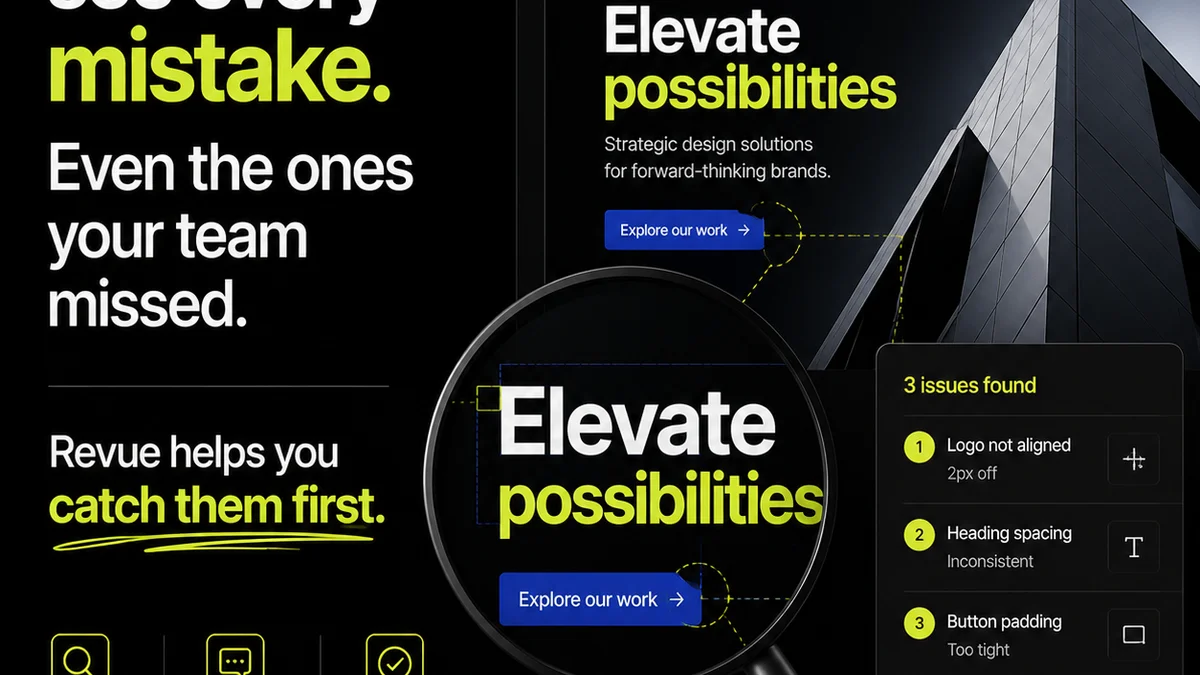
It provides a single platform where creative assets live. Where feedback is consolidated, organized, and actionable. Where revisions are tracked, and approvals are managed with clear visibility.
- Centralized Feedback: All comments, annotations, and stakeholder input live directly on the asset. No more hunting through emails or Slack.
- Revision History: Easily compare versions, see what changed, and understand the evolution of the creative work.
- Approval Workflows: Streamline the sign-off process with clear stages and notifications, respecting global team schedules.
- Quality Assurance Tools: Implement checklists and track progress to ensure every piece meets your standards before publication.
By centralizing these critical steps, Revue empowers your global teams to collaborate seamlessly, reduce errors, and publish high-quality content faster.
Final Thought
Scaling your publication workflow isn't just about adding more people. It’s about building a smarter, more connected system that allows your distributed talent to do their best work, together.
Are you optimizing your processes for scale, or just adding more complexity?
Frequently asked questions
What is the biggest misconception about scaling publication workflows globally?
The biggest misconception is that scaling simply means hiring more people. In reality, effective scaling hinges on robust processes, clear communication channels, and centralized systems that can manage distributed teams efficiently.
How can global teams improve their feedback process?
Global teams can improve feedback by moving away from unstructured methods like email and Slack. Implementing a centralized platform for structured, actionable feedback with precise annotations and clear ownership is key to reducing misinterpretations and delays.
What role does technology play in managing global creative workflows?
Technology plays a critical role by providing a single source of truth, enabling transparent communication, automating repetitive tasks like reminders for approvals, and offering visibility into the entire production process. Tools that centralize feedback and revisions are essential.
How do you ensure brand consistency with a distributed team?
Ensuring brand consistency requires establishing clear brand guidelines, implementing standardized quality assurance checklists, and using a centralized platform that maintains a single version of truth for all creative assets. Regular training and accessible brand resources are also vital.