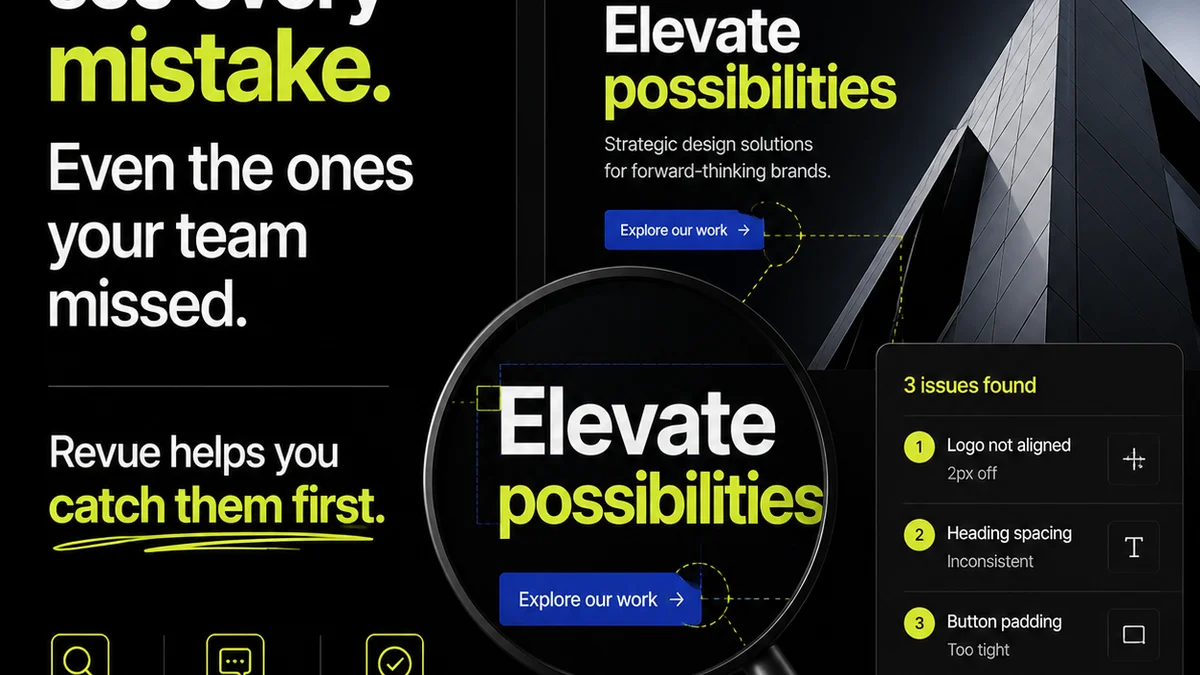
Everyone talks about streamlining client feedback. About getting sign-offs faster. About reducing revision rounds. It sounds good. It’s the dream, right?
None of that is wrong. But it’s incomplete.
The deeper truth? Stakeholder reviews aren't just a hurdle to clear. They are the actual, most critical point where your creative strategy meets client reality. Nail them, and you build trust, deliver better work, and make more profit. Botch them, and you’re in for a world of pain.
1. Reviews Are Not Just About 'Feedback'
The common assumption is that a review is just a step in the process. You send the work, you get comments, you make changes. Easy.
But it’s never that simple. A review is a complex negotiation of expectations, understanding, and alignment.
It’s a Strategic Checkpoint
This is where your brilliant creative concept gets tested against the client’s business goals. Does it still serve the objective? Have priorities shifted since the brief?
It’s a Relationship Builder (or Breaker)
How you handle feedback reveals your agency’s professionalism, responsiveness, and strategic thinking. A smooth review builds confidence. A messy one erodes it.
It’s a Revenue Driver (or Drain)
Every extra round, every scope creep conversation, every delayed launch – it all impacts your bottom line. Efficient reviews protect your margins.
2. The Real Problem Isn't the Feedback, It's the Context
Clients don't give bad feedback out of malice. They do it because they lack the full picture.
They weren't in the room for the strategic brainstorm. They don't know the technical constraints. They haven't seen the other 20 concepts you killed.
This lack of context leads to:
- Vague Comments: “I don’t like it.”
- Conflicting Input: Marketing loves it, sales hates it.
- Scope Creep: “While we’re here, can you also…”
- Delayed Decisions: Waiting for that one exec who’s always OOO.
Your job isn't just to collect comments. It’s to provide the context that makes feedback actionable and aligned.
3. Define 'Done' Before You Start Reviewing
How do you know when a review is successful? When is the work truly approved?
Too many agencies leave this fuzzy. They think “signed off” means the client clicked ‘Approve’ on the final PDF.
This is a mistake.
Set Clear Objectives for Each Review Stage
Is this review for initial concept feedback? For copy approval? For final visual sign-off? Each has a different purpose and requires different types of input.
Example: For a mood board review, the objective is alignment on aesthetic and tone. Not detailed critique of specific layouts.
Establish Approval Criteria
What does
Frequently asked questions
What's the biggest mistake agencies make in stakeholder reviews?
Treating reviews as just a step to collect comments, rather than a critical strategic checkpoint and relationship-building opportunity. They often fail to provide sufficient context for clients, leading to vague or conflicting feedback.
How can I get more actionable feedback from clients?
Provide context. Clearly define the objective of each review stage. Ask specific questions. Use tools that allow for precise annotation. And crucially, define what 'done' looks like before the review even begins.
How do I manage conflicting feedback from different stakeholders?
Establish a clear decision-maker or review lead internally with the client beforehand. Document all feedback and its implications. Facilitate a discussion to prioritize input based on the project's strategic objectives, rather than simply averaging opinions.
What role does technology play in better stakeholder reviews?
Technology centralizes feedback, provides clear version control, and makes it easy to track comments and approvals. Tools like Revue allow for precise annotation, discussion threads tied to specific elements, and a transparent audit trail, reducing miscommunication and ambiguity.