Everyone knows stakeholder review is about getting sign-off. It’s about ticking a box so production can start. That’s what most people think. And none of that is wrong. But it’s incomplete.
The hard truth? For manufacturing, stakeholder review is less about permission and more about preventing costly mistakes down the line. It’s your first, and most critical, quality control gate.
Think about it. A misunderstanding in a design spec, a misinterpretation of a material requirement, a missed detail in a prototype – these aren’t just minor communication hiccups. In manufacturing, they become scrap, rework, delays, and unhappy clients. The financial impact can be staggering.
1. The Cost of "Good Enough" Feedback
In many industries, especially creative ones, feedback can be iterative. A design might be tweaked, a color palette adjusted. The stakes feel lower because the physical product isn't yet a reality. Manufacturing is different. The physical manifestation is the entire point. And once that physical reality is set in motion, changes become exponentially more expensive.
This is where the assumption that stakeholder review is just a formality breaks down. If your review process is rushed, unclear, or involves stakeholders who aren't fully engaged, you're setting your manufacturing process up for failure.
The Hidden Costs of Poor Review
- Rework on the production line.
- Scrap materials and components.
- Extended manufacturing timelines.
- Shipping delays impacting client commitments.
- Damage to brand reputation.
- Lost profit margins due to unforeseen expenses.
These aren't abstract possibilities. They are the day-to-day realities of poorly managed manufacturing projects.
2. Beyond the Blueprint: What to Really Review
Stakeholder review in manufacturing needs to go deeper than just checking if the dimensions on the blueprint look right. It’s about validating the entire vision and its practical execution.
Key Areas for Deep Review
- Material Integrity: Are the specified materials correct? Are there any potential issues with sourcing, durability, or performance under expected conditions?
- Tolerances and Precision: Do the specified tolerances align with manufacturing capabilities and end-use requirements? A tiny deviation can render a part useless.
- Assembly Process: Has the assembly sequence been considered? Are there any points where parts might not fit together as intended?
- User Experience (if applicable): For consumer goods, does the physical product meet the expected user experience, feel, and functionality?
- Regulatory Compliance: Does the design meet all relevant industry standards and regulatory requirements for the target market?
This requires a multidisciplinary approach. It’s not just the engineer signing off; it’s the production manager, the quality assurance lead, and perhaps even a representative from sales or marketing who understands the end-user.
3. The Role of Prototypes and Mock-ups
The best way to catch issues before mass production is through tangible evidence. Prototypes and mock-ups are not optional extras; they are essential components of a robust stakeholder review process in manufacturing.
A well-executed prototype allows stakeholders to:
- Visualize the Final Product: See, touch, and interact with a physical representation.
- Identify Ergonomic Issues: Test how the product feels and is used.
- Validate Functionality: Confirm that the product works as intended.
- Test Material Performance: Assess the look, feel, and durability of the chosen materials.
- Catch Design Flaws: Uncover aesthetic or structural problems that aren't apparent on paper.
The review of these prototypes should be structured. Not just a casual look-over, but a focused session with clear objectives and a method for capturing feedback systematically.
4. Establishing a Clear Feedback Loop
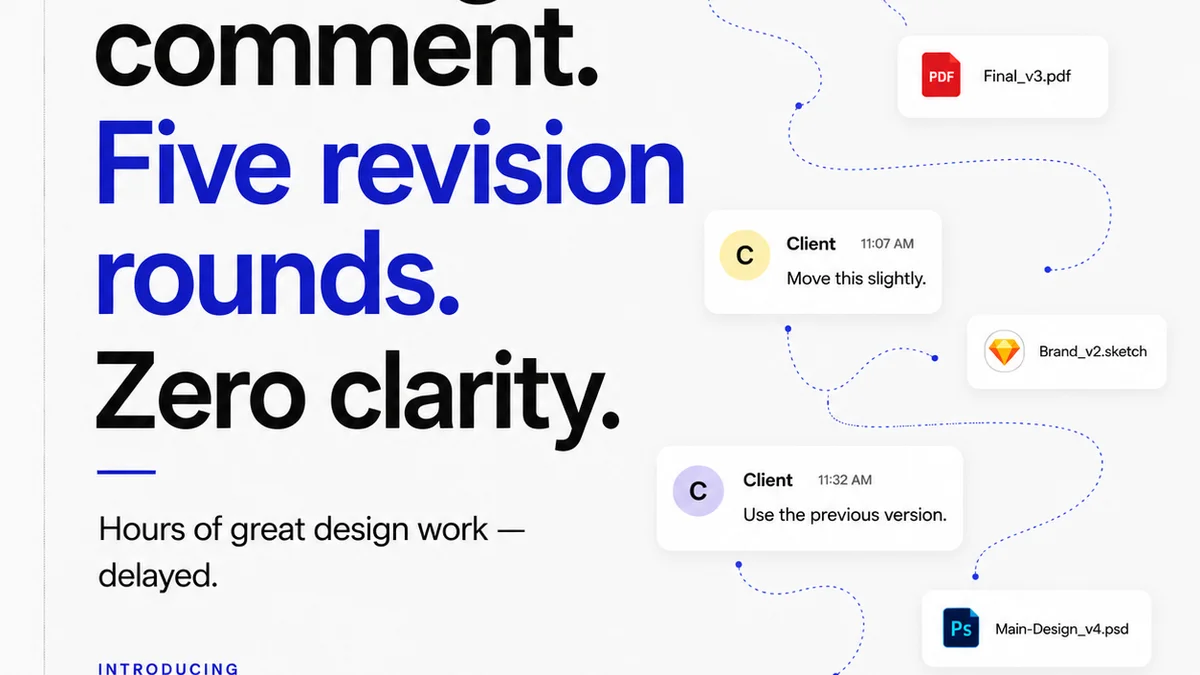
A common failure point in manufacturing stakeholder review is a broken feedback loop. Information gets lost, comments are ambiguous, and follow-up is neglected.
A clear loop ensures:
- Unambiguous Comments: Feedback is specific, actionable, and free from jargon.
- Traceability: Every comment and decision is recorded and attributable.
- Responsibility: It’s clear who is responsible for addressing each piece of feedback.
- Confirmation: Stakeholders confirm that their feedback has been understood and acted upon.
This is where digital tools become indispensable. Email chains get buried. Spreadsheets become unwieldy. A dedicated platform for managing feedback and revisions ensures clarity and accountability.
Where Revue Fits In
Managing the intricate details of stakeholder review for manufacturing can feel overwhelming. This is precisely why a centralized system for feedback and approvals is crucial. Revue provides a single source of truth for all creative and technical feedback, streamlining the entire review process.
Imagine a scenario where every iteration of a design, every prototype specification, and every piece of stakeholder feedback is housed in one accessible location. No more digging through endless email threads or deciphering cryptic notes. Revue allows you to:
- Centralize Feedback: All comments, annotations, and approvals are collected in one place, linked directly to the asset being reviewed.
- Manage Revisions Visibly: Track every change, understand the context behind it, and see which version is the current approved one.
- Ensure Quality Checks: Use the platform to formalize quality assurance steps, ensuring that all critical review points are addressed before moving to production.
- Improve Stakeholder Collaboration: Provide a clear, organized environment for all parties involved, reducing miscommunication and speeding up decision-making.
By bringing structure and visibility to your review cycles, you mitigate risks, reduce costly errors, and ensure that your manufacturing process moves forward with confidence, not guesswork.
Final Thought
Stakeholder review in manufacturing isn't merely a gatekeeper for production. It's an active, indispensable part of the quality assurance process. Are you treating it as such, or just another administrative hurdle?
Frequently asked questions
What is the primary difference between stakeholder review in creative vs. manufacturing?
In creative fields, feedback is often iterative and focused on aesthetics or messaging. In manufacturing, review is critical for validating physical specifications, materials, and production feasibility to prevent costly errors before mass production begins.
How can prototypes improve manufacturing stakeholder review?
Prototypes provide a tangible representation of the final product, allowing stakeholders to visualize, test functionality, assess materials, and identify design flaws or ergonomic issues that are not apparent on blueprints alone.
What are the biggest risks of neglecting stakeholder review in manufacturing?
Neglecting review can lead to significant issues such as costly rework, material scrap, production delays, shipping problems, damage to brand reputation, and reduced profit margins due to unforeseen expenses.
Can software like Revue truly impact manufacturing review processes?
Yes, platforms like Revue can centralize all feedback, manage revisions visibly, ensure quality checks are formalized, and improve collaboration among stakeholders, thereby reducing miscommunication and speeding up decision-making in manufacturing projects.