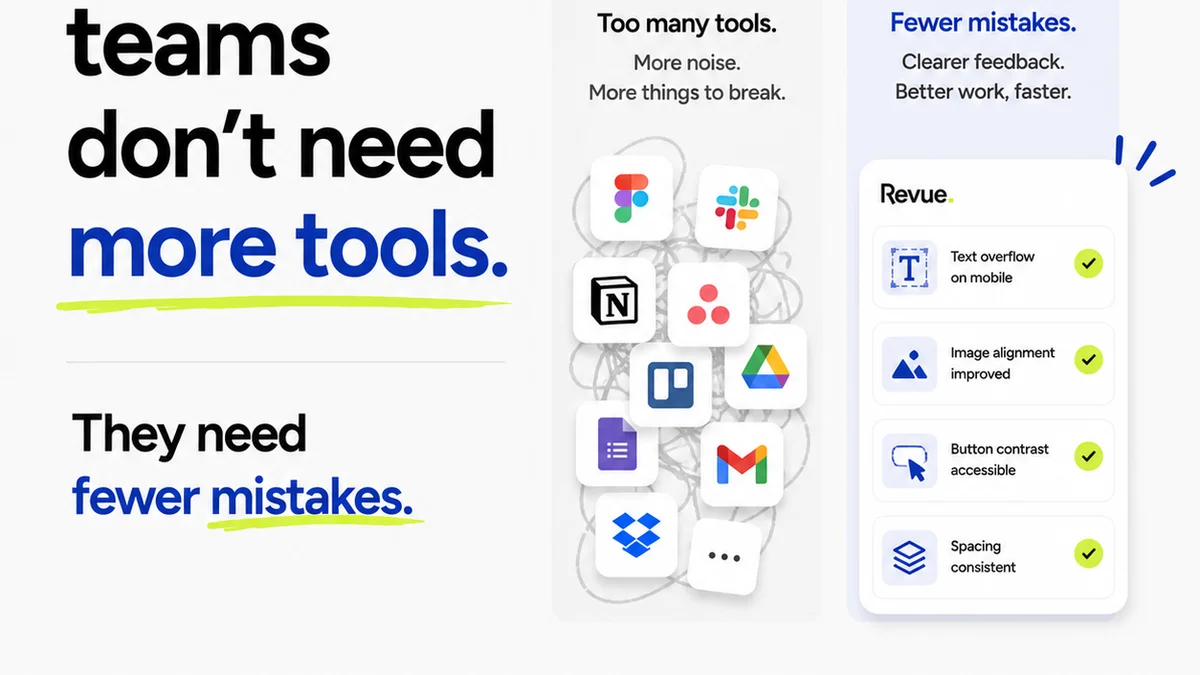
Everyone talks about creative governance. They talk about brand guidelines, style guides, and consistency. None of that is wrong. But it’s incomplete.
The hard truth? Creative governance isn't about enforcing rules. It's about building a shared understanding and a repeatable process for making creative decisions. It’s about removing friction, not adding bureaucracy.
1. The Illusion of Consistency
We assume that if everyone has the same brand guide, they’ll produce consistent work. We think a PDF is enough to align a diverse team.
This rarely pans out. People interpret guidelines differently. Tools change. Projects have unique demands. Without a system, consistency becomes a constant battle, a series of individual efforts to *get it right*.
This leads to:
- Endless rounds of feedback focused on minor deviations.
- A lack of clarity on who makes the final call.
- Teams working in silos, reinventing the wheel.
- Frustration on all sides.
True creative governance goes beyond static documents. It’s about the dynamic flow of work and decision-making.
2. Defining Your Creative Governance Framework
A framework provides structure without stifling creativity. It’s about setting clear expectations and providing the right tools.
a. The Core Principles
Start by defining what matters most. What are the non-negotiables for your creative output?
These aren’t just aesthetic rules. They’re strategic anchors. Think about:
- Brand voice and tone.
- Key messaging pillars.
- Accessibility standards.
- User experience goals.
- Performance metrics.
These principles should be easily digestible and universally understood. They guide decisions when ambiguity arises.
b. Decision-Making Authority
Who decides what? This is crucial. Ambiguity here breeds conflict and delays.
Define clear roles and responsibilities for:
- Concept approval.
- Design sign-off.
- Final asset delivery.
- Campaign performance review.
This doesn't mean top-down dictation. It means understanding the chain of command and the points of review at each stage.
c. Workflow Integration
Governance needs to be part of the workflow, not an add-on. How do these principles and decision points get integrated into your daily operations?
Consider:
- Standardizing project briefs.
- Using templates for common assets.
- Automating checks where possible.
- Establishing clear feedback loops.
The goal is to make the *governed* path the easiest path.
3. Establishing Clear Processes
Processes are the engine of your governance framework. They translate principles into action.
a. Briefing and Scoping
A clear brief is the foundation of good creative work. It sets the stage and outlines expectations.
Your briefs should include:
- Project objectives.
- Target audience.
- Key deliverables.
- Mandatory elements (e.g., legal disclaimers, specific calls to action).
- Success metrics.
- Budget and timeline constraints.
A standardized brief ensures everyone starts with the same information.
b. Feedback and Revision Cycles
This is where most creative governance breaks down. Feedback becomes subjective, personal, and often contradictory.
Implement a structured feedback process:
- Consolidated Feedback: All feedback must come through one channel or one designated person.
- Actionable Comments: Feedback should be specific, justified, and tied to project objectives. No vague notes like “make it pop.”
- Defined Rounds: Set clear limits on the number of revision rounds.
- Approval Sign-off: A clear point of final approval before moving to the next stage.
This prevents endless back-and-forth and keeps the project moving.
c. Quality Assurance (QA)
Before anything goes live, it needs a final check. This QA process ensures adherence to governance principles and project requirements.
Your QA checklist might include:
- Brand guideline compliance.
- Asset dimensions and file formats.
- Link functionality.
- Accessibility checks (e.g., color contrast, alt text).
- Typographical accuracy.
- Call to action clarity.
A robust QA process catches errors before they impact the brand or the user.
4. The Role of Technology
Manual processes are prone to error and inefficiency. Technology can automate, centralize, and streamline creative governance.
Look for tools that can help with:
- Centralized asset management.
- Collaborative feedback and annotation.
- Version control and revision history.
- Workflow automation.
- Automated QA checks.
The right tech stack makes governance feel less like a chore and more like a natural part of the creative process.
Where Revue Fits In
Managing creative feedback, revisions, and approvals can quickly become chaotic. This is especially true for agencies juggling multiple clients or in-house teams with diverse stakeholders.
Revue provides a centralized hub for all your creative governance needs.
Centralized Feedback: Instead of scattered emails and Slack messages, all client and stakeholder feedback lives in one place, attached directly to the creative asset. This ensures that feedback is contextual, consolidated, and traceable.
Revision and Approval Visibility: Track every version of a creative piece, see who reviewed it, what feedback was given, and when it was approved. This transparency clarifies decision-making and accountability, directly supporting your governance framework.
Quality Check Integration: Use Revue to ensure final assets meet all governance requirements before they are delivered or published. It helps enforce adherence to brand standards and project specifications.
By streamlining these critical stages, Revue helps you operationalize your creative governance, making it easier for teams to adhere to standards and for stakeholders to provide clear, actionable input.
5. Cultivating a Governance Mindset
Ultimately, creative governance is about culture. It’s about fostering a shared commitment to quality and consistency.
This starts with leadership. When leaders champion governance principles and model adherence, teams are more likely to follow.
Training and onboarding are also key. Ensure new team members understand the governance framework and its importance.
Regularly review and refine your governance processes. What’s working? What’s not? Be prepared to adapt.
Governance isn’t a one-time setup; it’s an ongoing practice.
Final Thought
Creative governance is often seen as a constraint. A necessary evil. But what if we reframed it?
What if it’s the very thing that frees up creativity? By providing clarity, reducing ambiguity, and ensuring a high baseline of quality, a strong governance framework allows your teams to focus on what they do best: creating impactful work.
Is your creative governance a roadblock, or is it the engine driving your team’s best work?
Frequently asked questions
What is creative governance?
Creative governance is the system of principles, processes, and decision-making structures that guide the creation and deployment of creative assets to ensure consistency, quality, and alignment with strategic goals.
Why is creative governance important for agencies?
It's vital for agencies to maintain brand integrity for clients, reduce revision cycles, ensure consistent quality across projects, and streamline team collaboration, ultimately leading to greater efficiency and client satisfaction.
How can I implement creative governance in a remote team?
Implement robust digital tools for feedback and approvals, establish clear communication protocols, document all processes and decision-making frameworks, and conduct regular virtual training sessions to ensure everyone is aligned.
What are the key components of a creative governance framework?
Key components include clearly defined core principles (e.g., brand voice, accessibility), established decision-making authority, integrated workflow processes (briefing, feedback, QA), and the use of technology to support these elements.