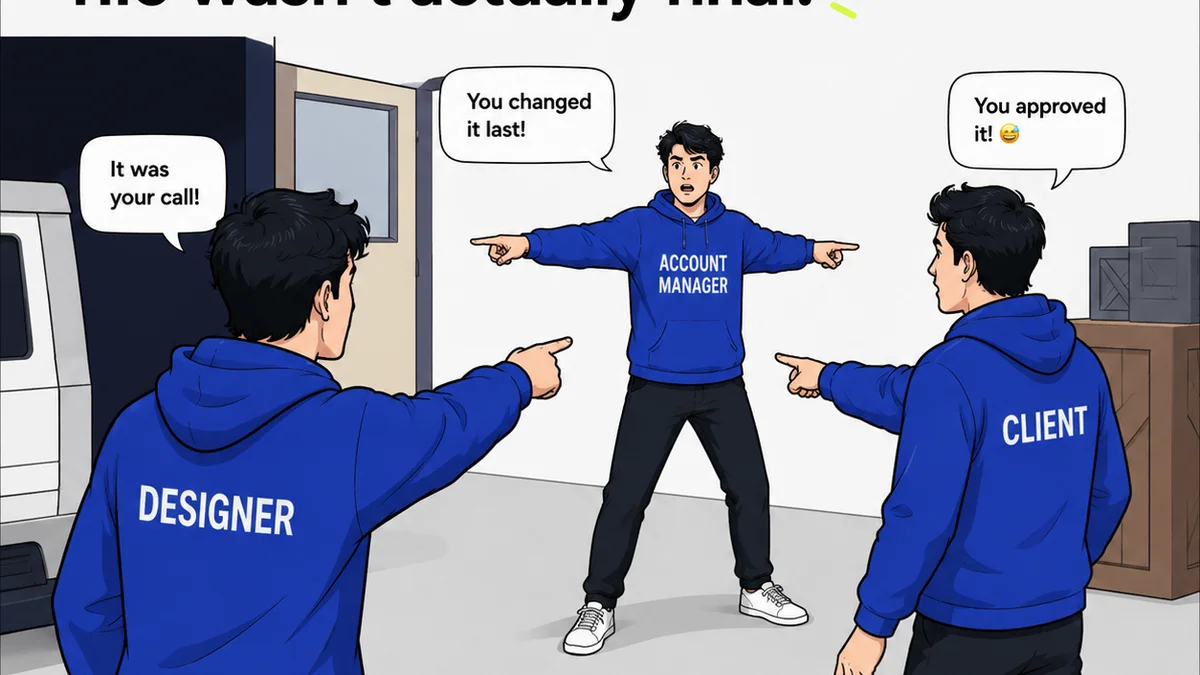
Everyone talks about scaling creative teams. The assumption is simple: more clients, more work? Hire more designers. More projects, more output? Add more account managers. It’s a numbers game, right?
None of that is wrong. But it’s incomplete.
The hard truth is that simply throwing bodies at the problem breaks your workflow. It creates chaos, inconsistency, and ultimately, a drop in quality. True creative scaling isn’t about linear growth in headcount; it’s about building robust, standardized processes that can handle increased volume without sacrificing excellence. It’s about operational maturity.
1. Define Your Core Creative Process
Before you can scale, you need a solid foundation. What does your ideal creative process look like, from brief to final delivery?
This isn’t about reinventing the wheel. It’s about documenting what works, what doesn’t, and what needs to be consistent. Think about the key stages:
- Brief intake and clarification
- Concept development and ideation
- Design execution
- Internal review and iteration
- Client feedback and revisions
- Final asset delivery
- Archiving and handoff
Each of these stages should have clear inputs, outputs, and defined roles. Without this clarity, you’re building on sand.
The Bottleneck Audit
Where do projects typically get stuck? Is it waiting for feedback? Is it in the design phase? Is it during revisions?
Identify these common bottlenecks. Your scaling efforts should focus on smoothing these out first.
Standardize Deliverables
What are the accepted file formats? Naming conventions? Folder structures? How are assets organized for the client?
Consistency here saves immense time and prevents errors down the line. It’s a small detail that has outsized impact when you’re dealing with dozens or hundreds of projects.
2. Codify Your Quality Standards
What does “good” look like for your agency or team? This goes beyond subjective aesthetic preferences.
It means defining measurable quality criteria. This is crucial for scaling because it ensures every piece of work, regardless of who created it, meets a certain bar.
Brand Guardianship
How do you ensure brand consistency across all outputs? Define your brand guidelines and make them accessible. This includes:
- Logo usage
- Color palettes
- Typography rules
- Imagery style
- Tone of voice
These aren’t just for designers; they inform copywriters, strategists, and even account managers.
Technical Specifications
For digital work, this is non-negotiable. What are the standard resolutions? File sizes? Accessibility requirements (like WCAG standards)? Performance benchmarks?
For print, it’s about bleed, trim, color profiles, and paper stock specifications. These details matter.
Legal and Compliance Checks
Are there specific legal disclaimers, copyright considerations, or compliance requirements (e.g., GDPR, HIPAA for certain industries) that need to be built into the workflow? Standardizing these checks prevents costly mistakes.
3. Implement Scalable Communication Workflows
Communication is the lifeblood of any creative team, but it’s also a major scaling hazard. Informal chats, endless email threads, and scattered feedback lead to misinterpretation and lost information.
You need structured communication channels for different purposes.
Centralized Feedback Loops
Where does client feedback live? Is it a single source of truth, or scattered across email, Slack, and phone calls?
A centralized system for collecting, organizing, and acting on feedback is vital. This prevents subjective interpretations and ensures everyone sees the same comments and context.
Clear Revision Protocols
How many rounds of revisions are included? What constitutes a
Frequently asked questions
Why is standardizing creative scaling important?
Simply hiring more people without standardized processes leads to chaos, inconsistency, and a decline in quality. Standardization ensures that as your team grows and your workload increases, you can maintain a high level of output and client satisfaction.
What are the key components of a standardized creative process?
Key components include defining each stage of the creative workflow (briefing, ideation, execution, review, delivery), codifying quality standards (brand, technical, legal), and implementing scalable communication protocols for feedback and revisions.
How does centralized feedback help with scaling?
Centralized feedback provides a single source of truth for all comments and revisions. This eliminates confusion, ensures everyone is working from the same information, and makes it easier to track changes, which is critical when managing multiple projects and team members.
What role does technology play in standardizing creative scaling?
Technology, like project management and client feedback platforms, plays a crucial role. It helps automate workflows, centralize communication, track progress, and ensure that standardized processes are followed consistently across the team.