Everyone talks about creative workflow as if it’s this nebulous, artistic thing. You need the right people, the right tools, and a bit of magic. None of that is wrong. But it’s incomplete.
The hard truth is that a truly effective creative workflow isn't born from inspiration; it's built on process. And that process needs to be standardized, especially when you have multiple teams, clients, or projects running concurrently. Without standardization, you’re not just dealing with occasional hiccups; you’re inviting chaos, missed deadlines, and unhappy clients.
Standardizing creative workflow isn't about stifling creativity. It's about creating guardrails so creativity can thrive without breaking everything else. It means moving from a reactive firefighting mode to a proactive, predictable system.
1. Map Your Current State – Brutally Honest
Before you can standardize anything, you need to know what you’re standardizing *from*. Most teams have a vague idea of their process. They know what happens generally. But do they know the specific steps? The handoffs? The decision points? The potential bottlenecks?
Get granular. Map out your typical project lifecycle from initial brief to final delivery. Don’t just think about the ideal path; map the common deviations, the urgent requests, the late-stage changes. This isn't about judgment; it's about diagnosis.
Common Mapping Pitfalls
- Assuming everyone follows the same steps.
- Ignoring informal communication channels (Slack, email chains) that bypass the official process.
- Not documenting the *why* behind each step.
- Focusing only on design, neglecting strategy, copywriting, or development handoffs.
Use flowcharts, swimlane diagrams, or even just a detailed document. The format matters less than the comprehensive, honest capture of reality. This exercise often reveals that what one team considers a standard step, another team treats as optional or skips entirely.
2. Define Your Ideal Workflow Pillars
Once you’ve mapped the messy reality, it’s time to define your ideal. This isn't a wish list; it's a set of core principles for how work *should* flow. Think of these as the non-negotiables that ensure quality, efficiency, and clarity.
Key Pillars to Consider
- Clear Briefing: What information is mandatory before any creative work begins? Who signs off on the brief?
- Structured Feedback Rounds: How many rounds are allowed? Who provides feedback? What constitutes actionable feedback?
- Defined Handoffs: What are the criteria for moving from one stage to the next? Who is responsible for the handoff?
- Approval Gates: Where and how does final approval happen? What documentation is required?
- Revision Management: How are changes tracked and communicated? What is the process for scope creep?
Each pillar needs clear, documented steps. This documentation should be accessible to everyone involved. It’s the single source of truth for your team’s operational process.
3. Implement Standardized Templates and Checklists
Vagueness is the enemy of standardization. Templates and checklists turn abstract principles into concrete actions.
Templates are Your Friend
- Project Brief Template: Ensures all necessary information is gathered upfront.
- Feedback Form Template: Guides stakeholders to provide specific, actionable comments.
- Status Report Template: Standardizes how progress is communicated.
- Deliverable Checklist: Ensures all required assets and file types are included in final delivery.
These aren't just busywork. They are tools that reduce ambiguity and ensure consistency. A well-structured brief template, for example, can prevent half the revision cycles that plague creative projects.
Checklists for Every Stage
Checklists act as safety nets. They confirm that critical steps haven't been missed, especially during complex handoffs or before final delivery.
- Creative Brief Review Checklist: Did we get all the required info?
- Design Review Checklist: Does it meet accessibility standards? Is branding consistent?
- Client Approval Checklist: Have all stakeholders signed off? Are there any outstanding action items?
- Final File Prep Checklist: Are file names correct? Are formats appropriate?
The goal is to make adherence to the standard workflow as easy, if not easier, than deviating from it.
4. Centralize Communication and Feedback
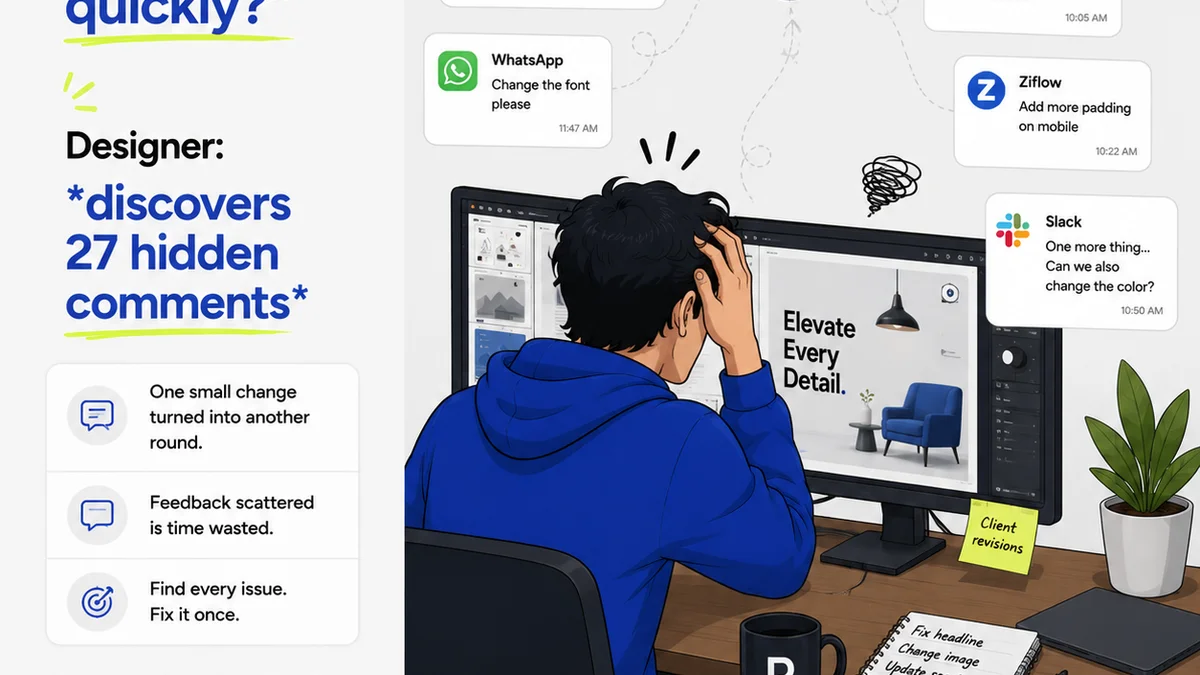
One of the biggest drains on creative workflow is fragmented communication. Emails get lost. Slack messages are buried. Feedback lives in a dozen different places.
This is where technology plays a critical role. A centralized platform for creative project management is essential for standardizing feedback and approvals.
The Problem with Disparate Tools
- Lost Context: Feedback is disconnected from the asset being reviewed.
- Version Control Nightmares: Which is the latest version? Which feedback applies to which version?
- Delayed Decisions: Waiting for replies across multiple channels slows everything down.
- Lack of Accountability: It’s hard to track who said what and when.
When feedback and approvals are scattered, your defined workflow crumbles. Standardizing means having one place where all project-related communication and decisions live.
5. Define Roles and Responsibilities Clearly
Even with a standardized process, confusion can arise if roles aren't clearly defined. Who is the primary point of contact? Who has final approval authority? Who is responsible for consolidating feedback?
Ambiguity here leads to duplicated effort, missed tasks, and frustration. Clearly outlining who does what at each stage of the workflow is paramount.
Key Roles to Define
- Project Manager: Oversees the workflow, manages timelines, and facilitates communication.
- Creative Lead: Ensures creative quality, provides internal feedback, and guides the creative team.
- Client Stakeholder: Provides strategic direction and final approval.
- Feedback Provider: Offers specific, actionable input during review stages.
Ensure these roles are understood by everyone on the team and by clients. This prevents bottlenecks caused by waiting for the
Frequently asked questions
What is creative workflow standardization?
Creative workflow standardization is the process of defining and implementing consistent steps, procedures, and tools for how creative projects are managed from initiation to completion. It aims to improve efficiency, reduce errors, and ensure predictable outcomes.
Why is standardizing creative workflow important for agencies?
For agencies, standardization is crucial for managing multiple clients and projects simultaneously, ensuring consistent quality, improving team collaboration, reducing project delays, and enhancing client satisfaction through predictable delivery.
How do you handle client feedback within a standardized workflow?
A standardized workflow typically defines specific feedback rounds, requires feedback to be consolidated and actionable, and uses a central platform for all communication. This prevents overwhelming teams with scattered or vague comments and ensures feedback is managed efficiently.
Can standardizing workflow stifle creativity?
No, when done correctly. Standardization provides a framework and guardrails that free up creative teams from administrative burdens and confusion, allowing them to focus their energy on the creative execution itself. It removes roadblocks, not inspiration.
What tools can help standardize creative workflow?
Tools like Revue, project management software (e.g., Asana, Monday.com), communication platforms (e.g., Slack), and digital asset management systems can help centralize feedback, track revisions, manage approvals, and maintain version control, all contributing to a standardized workflow.