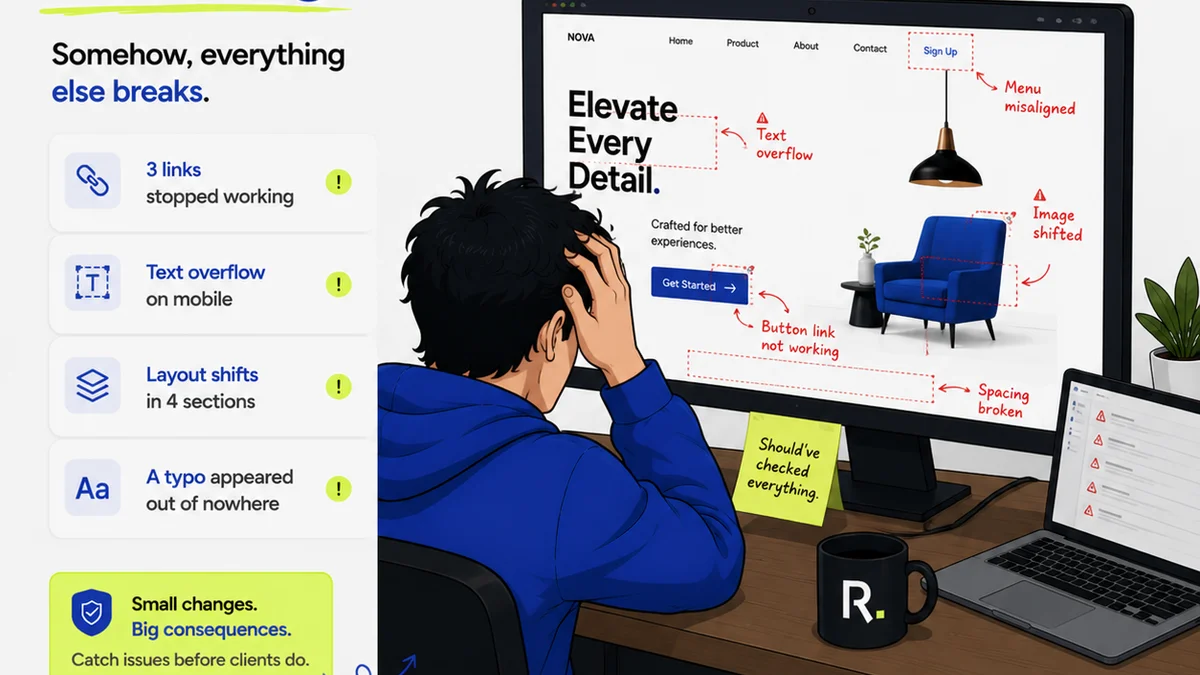
Everyone talks about the importance of good design collaboration. You hear it in every agency pitch deck and internal team meeting. It's the secret sauce, the magic ingredient for seamless client handoffs and on-time project delivery.
None of that is wrong. But it’s incomplete.
The real truth? Effective design collaboration isn't magic. It’s the result of brutally honest process standardization. Without it, even the most talented teams devolve into chaos, bogged down by miscommunication and duplicated effort. Your projects suffer. Your clients get frustrated. Your bottom line takes a hit.
This isn't about stifling creativity. It’s about building guardrails so creativity has room to breathe and execute effectively. It's about making sure everyone, from the junior designer to the account manager to the client, is playing from the same playbook.
1. The Myth of the 'Creative' Free-for-All
Many agencies and creative departments operate under the assumption that creative work inherently defies standardization. They believe that imposing rigid processes will kill innovation and lead to cookie-cutter output. It's a comfortable narrative, especially when things are going reasonably well.
But this view ignores the operational realities of running a successful creative business.
Think about it: even the most avant-garde artist uses tools, techniques, and materials that are standardized. A painter uses paint, brushes, and canvases. A musician uses instruments and scales. These are foundational standards that enable, rather than hinder, creative expression.
In a professional setting, this extends to how feedback is gathered, revisions are managed, and final assets are delivered. The belief that creative teams are exempt from operational rigor is a direct path to inefficiency and missed deadlines.
The Symptoms of Unchecked Collaboration Chaos
- Endless email chains with conflicting feedback.
- Designers constantly chasing down clarification from clients or PMs.
- Revisions spiraling beyond scope without clear tracking.
- Difficulty onboarding new team members or freelancers.
- Inconsistent file naming conventions and asset management.
- Last-minute
Frequently asked questions
What are the main benefits of standardizing design collaboration?
Standardization leads to increased efficiency, reduced errors, clearer communication, faster project turnaround, and improved client satisfaction. It creates a predictable and reliable workflow, allowing creative teams to focus on high-quality output rather than process friction.
How can I get my team to adopt new collaboration standards?
Involve your team in defining the standards. Clearly communicate the 'why' behind the changes, highlighting the benefits for them. Provide thorough training and ongoing support. Lead by example and consistently reinforce the new processes. Start with pilot projects to iron out kinks before a full rollout.
What tools are essential for standardized design collaboration?
Essential tools include a centralized platform for feedback and approvals (like Revue), project management software, version control systems, and clear communication channels. Consistency in tool usage across projects is key.
How does standardization impact creativity?
It doesn't stifle creativity; it enables it. By standardizing the operational aspects of collaboration, you free up mental bandwidth for creative problem-solving. Clear processes ensure that creative ideas can be effectively communicated, iterated upon, and implemented without getting lost in translation or administrative overhead.