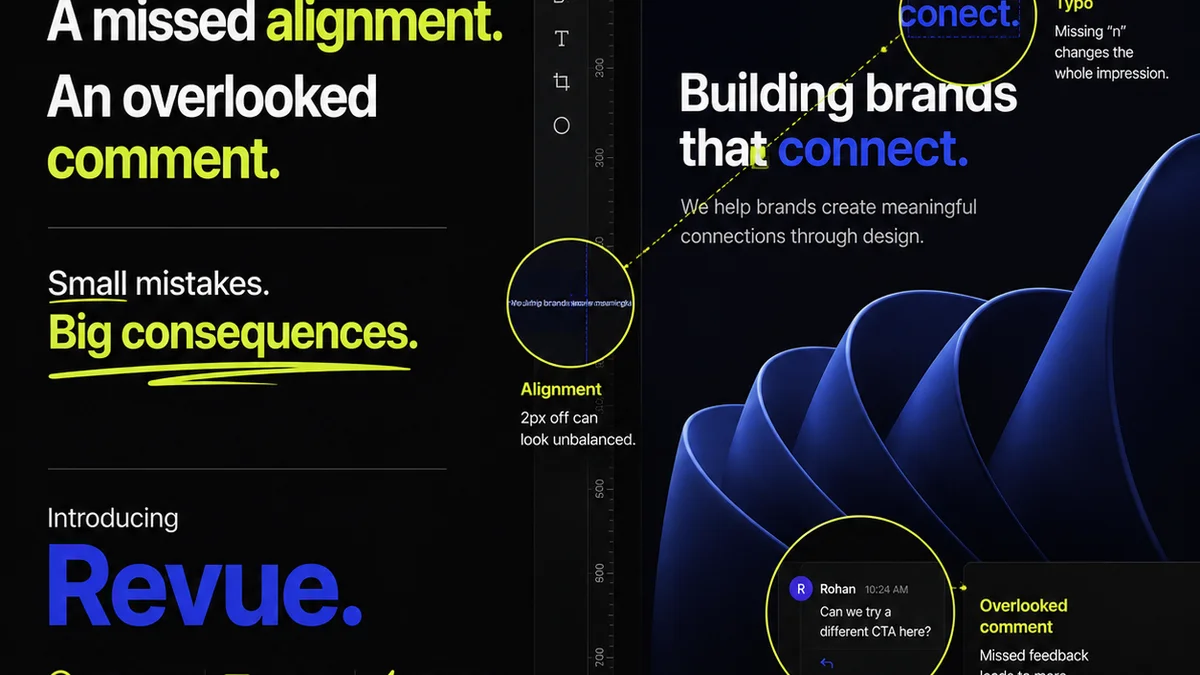
Everyone wants high-quality creative work. Agency owners, creative directors, clients – it’s the assumed outcome of our entire process. But that assumption is a dangerous blind spot.
It leads teams to believe quality is an individual artist's gift, a matter of innate talent or sudden inspiration. It’s not.
Quality is a product of process. It’s a system. And standardizing quality management isn't about stifling creativity; it's about building a reliable engine that produces exceptional output, consistently.
1. The Myth of Innate Quality
The most common mistake agencies make is treating quality as an intangible. We talk about 'good design' or 'strong concepts' as if they’re magic spells that some people just know how to cast.
This thinking is deeply flawed. It’s subjective. It’s unrepeatable. And it’s a recipe for client disappointment and internal frustration.
When quality is subjective, it means:
- Every project feels like starting from scratch.
- Different team members have wildly different standards.
- Client feedback becomes a guessing game.
- Revisions drag on, costing time and money.
- No one truly knows *why* something works or doesn't.
This isn't a creative problem. It's an operational one.
2. Defining 'Quality' Operationally
To standardize quality, you must first define it objectively. What does 'high quality' actually *mean* for your agency and your clients?
This isn't about taste. It's about measurable criteria.
Consider these areas:
Technical Execution
Are there specific file formats required? Are assets optimized for their intended platforms? Is code clean and maintainable? For print, are color profiles, bleed, and resolution all correctly set?
Brand Adherence
Does the work align with the client's established brand guidelines? This includes:
- Logo usage
- Color palettes
- Typography
- Tone of voice
- Imagery style
This requires clear, accessible brand guides. Not just a PDF, but living documents that teams can reference.
Client Objectives
What was the brief? What are the KPIs for this project? Is the creative solving the business problem?
A beautiful design that doesn't drive conversions isn't high quality in a business context. It’s just pretty.
User Experience (UX) & Accessibility
Is the digital product intuitive? Does it meet accessibility standards like WCAG? WCAG guidelines are the global benchmark here.
Is the physical product functional and easy to use?
Internal Standards
What are your agency's own best practices? This might include:
- Naming conventions for files.
- Project structure in design software.
- Code commenting standards.
- Proofreading procedures.
These internal rules ensure consistency, even when different people work on the same project.
3. Building Your Quality Management System
Once you’ve defined your quality criteria, you need to build a system to enforce them. This involves creating checkpoints and documentation.
Standard Operating Procedures (SOPs)
Document every critical process. How is a new project kicked off? How is feedback gathered? How are revisions managed? How is final delivery prepared?
SOPs remove ambiguity. They tell people exactly what to do, and in what order.
Checklists
Checklists are the backbone of standardization. Before a deliverable goes to the client, does it pass a quality gate?
Create checklists for:
- Pre-flight for print.
- Code review.
- Brand guideline compliance.
- Content accuracy.
- Accessibility checks.
- Final asset packaging.
These aren't optional extras; they’re mandatory steps.
Templates
Use templates for common deliverables: proposals, briefs, status reports, final decks. This ensures a consistent look and feel, and captures essential information every time.
Training and Onboarding
Your system is only as good as the people using it. Train your team on the SOPs, checklists, and brand guidelines.
Onboarding new hires effectively means immersing them in your quality standards from day one.
4. Where Revue Fits In
Managing quality across teams, especially with remote or hybrid setups, requires a centralized hub. This is where a tool like Revue becomes essential.
Revue helps standardize quality management by:
- Centralizing Feedback: No more hunting through endless email threads or Slack messages. All client feedback lives in one place, tied directly to the creative asset. This reduces misinterpretation and ensures all feedback is captured.
- Managing Revisions and Approvals: Track the entire revision history. See who approved what, when. This creates accountability and provides a clear audit trail, crucial for quality control.
- Facilitating Quality Checks: Use the platform to implement your checklists. Team members can mark off steps as completed before a deliverable is sent to the client. This makes your defined quality gates actionable.
- Ensuring Brand Consistency: By having brand guidelines and project briefs easily accessible within the workflow, teams are more likely to adhere to them.
It's about making the desired quality the easiest quality to achieve.
5. The Role of Leadership
Standardizing quality management isn't a top-down mandate that happens overnight. It requires commitment from leadership.
Creative directors and agency owners must:
- Champion the process.
- Allocate resources for documentation and training.
- Hold teams accountable to the defined standards.
- Continuously review and refine the system.
This isn't about micromanagement. It's about building trust through predictable, excellent outcomes.
6. Overcoming Resistance
Some creatives will push back. They’ll say it stifles their freedom or adds unnecessary bureaucracy.
Your response? Quality isn't about freedom; it's about professionalism.
A well-defined process:
- Frees up mental bandwidth for creative problem-solving.
- Reduces anxiety about meeting vague expectations.
- Allows for faster iteration and experimentation within safe parameters.
- Ensures everyone is playing by the same rules.
Frame it as a tool that elevates their work, not restricts it.
Final Thought
Is 'quality' something you hope for, or something you engineer?
If it’s the former, you’re leaving your agency’s reputation and profitability to chance. If it’s the latter, you’re building a scalable, reliable creative business. The choice is yours.
Frequently asked questions
What are the key benefits of standardizing quality management?
Standardizing quality management leads to more consistent output, reduced errors, improved client satisfaction, increased efficiency, and better team alignment. It shifts quality from a subjective hope to an engineered outcome.
How can I define 'quality' for my agency?
Define quality based on objective criteria relevant to your work: technical execution (file formats, optimization), brand adherence (guidelines), client objectives (solving business problems), user experience, and internal best practices (naming conventions, file structure).
What's the role of technology in quality management?
Technology, like Revue, centralizes feedback, manages revisions, tracks approvals, and facilitates the implementation of checklists and SOPs. It provides visibility and accountability, making it easier to enforce standards across teams.
How do I get my team to adopt new quality standards?
Clearly communicate the 'why' behind the standards, focusing on how they benefit the team (less rework, clearer expectations). Provide thorough training, use templates and checklists, and ensure leadership champions the process. Frame it as a professional enhancement, not a restriction.