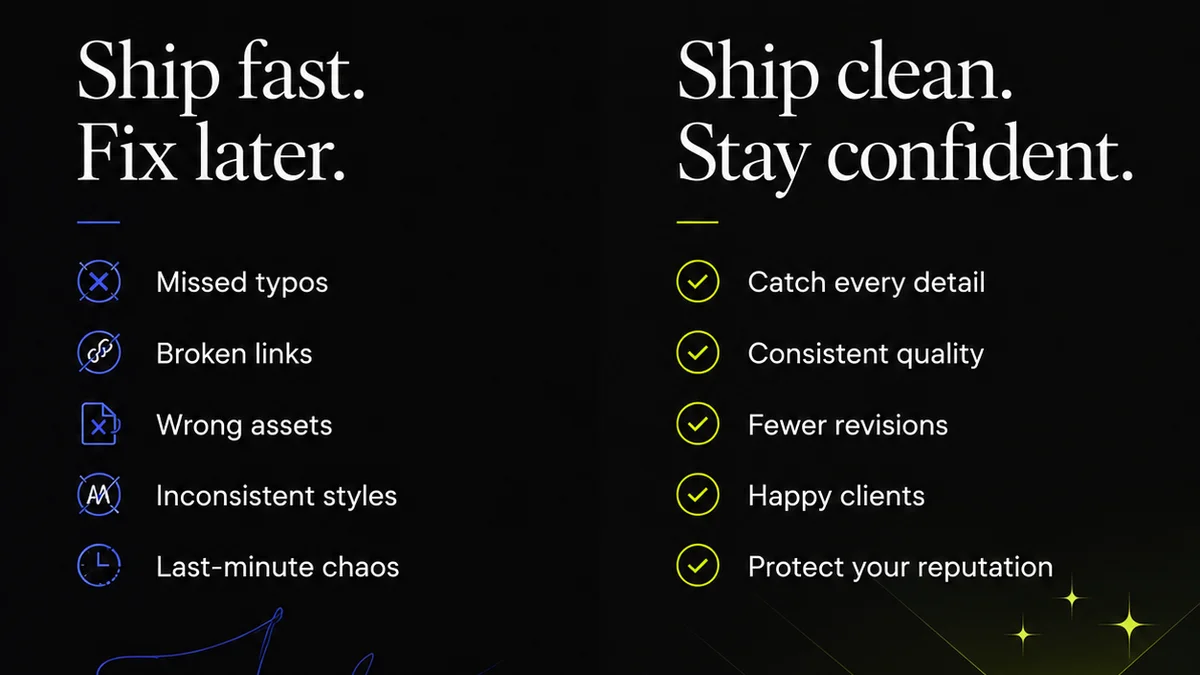
Everyone talks about creativity needing freedom. That chaos breeds brilliance. That process stifles art.
It’s a nice story.
But it’s not the whole story. And for most creative agencies and in-house teams, it’s actively harmful.
The hard truth? True creativity, the kind that ships consistently great work and delights clients, doesn’t come from endless unstructured freedom. It comes from structured freedom. It thrives within clear, efficient workflows that handle the noise so the signal can shine.
1. The Myth of the Unfettered Creative Genius
The romantic ideal of the lone genius, working in a messy studio, fueled by inspiration and caffeine, is a powerful one. We see it in movies. We read about it in biographies.
But that’s a highlight reel. It’s not the day-to-day reality of delivering client projects on time and on budget.
The reality is a lot more complex. It involves:
- Managing multiple stakeholders.
- Juggling competing feedback.
- Navigating tight deadlines.
- Ensuring brand consistency.
- Maintaining profitability.
That messy studio? It’s often just a euphemism for disorganization. And disorganization doesn’t lead to brilliance. It leads to missed deadlines, scope creep, and burnt-out creatives.
The unfettered creative genius is a myth. The real heroes are the teams that have built systems to manage the chaos.
2. Structure as an Enabler, Not a Constraint
Many creative professionals bristle at the word “workflow.” They hear “bureaucracy,” “red tape,” “slowdowns.”
They think of rigid, top-down processes that kill spontaneity.
But a well-designed workflow isn’t a cage. It’s a framework. It’s the scaffolding that supports a complex build. It provides the necessary structure so that the truly creative parts can happen efficiently and effectively.
Clear Roles and Responsibilities
Who is responsible for what? When tasks are clearly defined, ambiguity disappears. People know what’s expected of them, and when.
This prevents:
- Tasks falling through the cracks.
- Duplication of effort.
- Endless “who’s supposed to do this?” conversations.
Defined Handoffs
Projects move through stages. Design to copy. Copy to development. Development to QA. Each transition is a potential point of failure.
A structured workflow defines these handoffs clearly. What information needs to be passed? What format? Who approves the handover?
This smooths the path and reduces friction.
Standardized Processes
Think about common tasks: onboarding a new client, presenting a design concept, conducting a review. Standardizing these processes saves immense cognitive load.
Your team doesn’t have to reinvent the wheel every time. They can follow a proven path, freeing up mental energy for the creative problem-solving itself.
3. Taming the Feedback Monster
Client feedback. It’s the lifeblood of agency work, and often, the biggest headache.
Unstructured feedback is a black hole. It’s vague, contradictory, and often comes from multiple sources without context.
“Make it pop.” “I don’t like it.” “Can we try something else?”
Sound familiar?
This is where structured workflows become critical. They dictate:
- Who provides feedback.
- When feedback is given.
- How feedback is collected (e.g., annotated directly on the asset).
- What format feedback should take (e.g., actionable comments, not just opinions).
This doesn’t eliminate feedback; it refines it. It turns a chaotic barrage into a manageable stream of actionable insights.
It allows your team to focus on improving the work, not deciphering riddles.
4. Visibility and Accountability
When work happens in silos, or across a dozen different tools, nobody has a clear picture of the project’s status.
Where are we? Who’s working on what? What’s blocking progress?
Structured workflows, especially when supported by a central platform, provide this visibility.
Every team member, and often the client, can see the project’s journey.
This transparency fosters accountability.
- Team members are more likely to complete tasks on time when their progress is visible.
- Clients are less likely to inject feedback out of sequence when they understand the process.
- Problems can be identified and addressed early, before they derail the project.
It’s about creating a shared understanding and a sense of collective ownership.
5. Quality Control: The Unsung Hero
Many teams assume quality control just “happens.” That designers are inherently good at spotting their own mistakes, or that the final client review catches everything.
This is a dangerous assumption.
A structured workflow embeds quality checks at key stages. It’s not a single, final gate; it’s a series of checkpoints.
This might include:
- Brand guideline adherence checks.
- Technical spec compliance.
- Usability testing (for digital products).
- Consistency across multiple assets.
These aren’t meant to stifle creativity. They are meant to ensure the creative vision is executed flawlessly. They protect the integrity of the final deliverable.
A beautiful design that doesn’t meet the brief or is technically flawed is ultimately a failure.
Where Revue Fits In
Implementing and maintaining structured workflows can feel like a monumental task. Especially when you’re juggling client demands and internal pressures.
This is precisely why tools like Revue exist. They aren’t just about file sharing or task management; they are about codifying and streamlining your team’s process.
Revue provides a central hub for:
- Centralized Client Feedback: Consolidate all feedback in one place, directly on the creative assets. No more digging through emails or Slack messages.
- Revision and Approval Visibility: Track every version, every comment, and every approval. Everyone knows where the project stands, and who needs to act next.
- Streamlined Quality Checks: Integrate your QA process into the workflow, ensuring that crucial checks happen consistently before final delivery.
By providing a single source of truth, Revue helps you enforce your structured workflows, reduce friction, and ensure that your team can focus on what they do best: creating exceptional work.
Final Thought
Is creativity truly unleashed by chaos, or by clarity? Does freedom come from having no rules, or from mastering them?
The most successful creative teams aren't the ones who avoid structure. They are the ones who build it, refine it, and use it to amplify their talent.
What if the key to more creative output isn't less process, but a better process?
Frequently asked questions
What is a structured workflow for a design team?
A structured workflow for a design team is a defined series of steps, processes, and tools used to manage creative projects from initiation to completion. It clarifies roles, outlines feedback loops, standardizes handoffs, and incorporates quality checks to ensure efficiency and consistent delivery of high-quality work.
How do structured workflows help with client feedback?
Structured workflows help manage client feedback by defining who provides it, when it's given, and how it should be collected (e.g., annotated directly on assets). This turns vague, contradictory feedback into actionable insights, reducing confusion and rework.
Can structured workflows stifle creativity?
When designed correctly, structured workflows enable creativity rather than stifle it. They handle the administrative and organizational overhead, freeing up designers' mental energy to focus on creative problem-solving. Structure provides a framework for executing creative ideas efficiently.
What are the benefits of structured workflows for agencies?
Benefits include improved project efficiency, reduced errors and rework, better client communication and satisfaction, increased team accountability, enhanced visibility into project progress, and ultimately, more consistent delivery of high-quality creative work, leading to greater profitability and team morale.