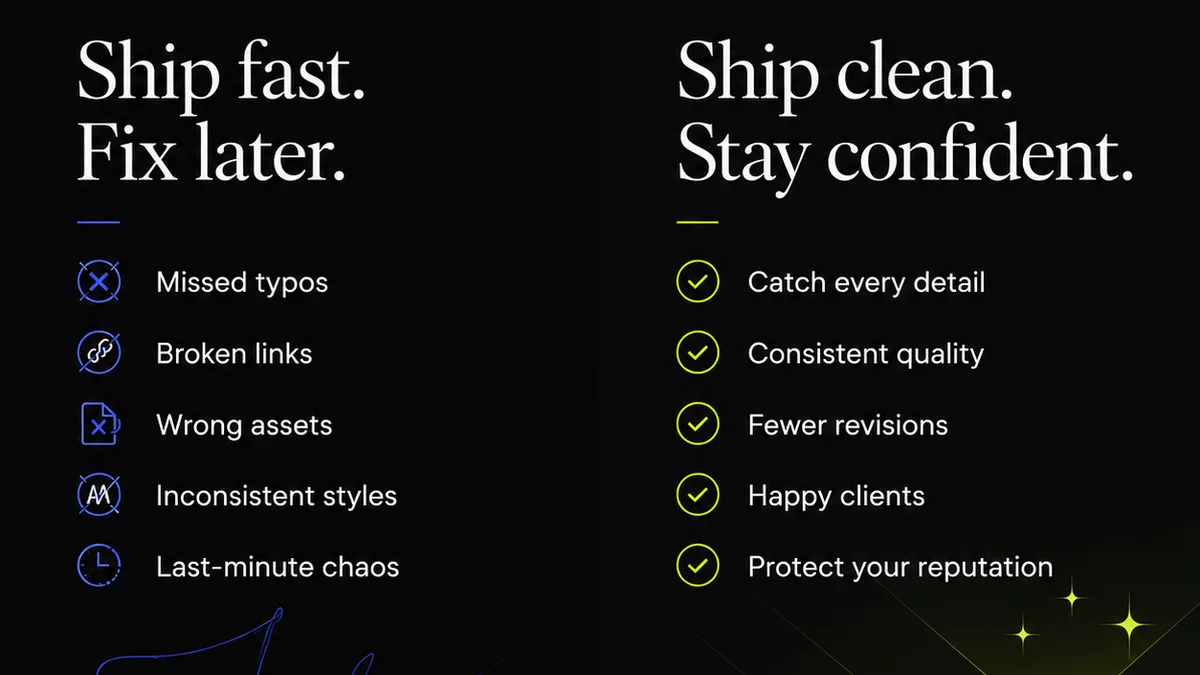
Everyone nods when you say brand governance. It sounds official. It sounds important. It conjures images of perfectly aligned logos, consistent color palettes, and airtight style guides.
None of that is wrong. But it’s incomplete.
The hard truth is that brand governance isn't just about aesthetics. It's about operational control. It’s about ensuring your brand consistently shows up, everywhere, exactly as intended, without constant, exhausting oversight.
And that requires more than just a PDF document.
1. A Single Source of Truth for Brand Assets
This is the bedrock. Without it, everything else crumbles.
Think about the chaos when designers are hunting for the latest logo file, marketers are using outdated templates, or sales teams are pulling random images from a shared drive. It’s a recipe for brand dilution.
A centralized asset library means everyone on the team—and external partners—can access approved, up-to-date brand materials instantly.
What to Look For:
- Easy uploading and organization (folders, tags).
- Robust search functionality.
- Version control to prevent use of outdated assets.
- Clear permissions to control who can access and download what.
- Integration capabilities with other creative tools.
This isn't just about tidiness. It's about speed and accuracy. It reduces errors and saves countless hours spent searching or recreating assets.
2. A Living, Breathing Style Guide (Not a Static PDF)
The traditional brand book is dead. Or at least, it should be.
A PDF is a snapshot in time. It gets outdated the moment it's saved. It’s hard to search. It doesn’t dynamically update.
A truly effective style guide is a dynamic, digital resource. It should live online, be easily searchable, and ideally, be integrated directly into the tools your team uses.
Key Components:
- Clear, concise guidelines for logo usage, color palettes (with hex, RGB, CMYK values), typography, imagery, tone of voice, and messaging.
- Examples of correct and incorrect application.
- Interactive elements, like clickable color swatches or font previews.
- Accessibility guidelines.
This guide should be the go-to reference for everyone, from junior designers to content writers to the sales team. Make it easy to find and easy to understand.
3. A Streamlined Feedback and Approval Workflow
This is where brand governance often breaks down in practice.
How do you collect feedback from stakeholders? Via email chains? Slack messages? In-person meetings?
This fragmented approach is a breeding ground for miscommunication, missed feedback, and inconsistent approvals.
You need a system that centralizes all communication around creative assets.
Symptoms of a Broken Workflow:
- Endless email threads with conflicting feedback.
- Important comments lost in Slack channels.
- Stakeholders approving work they haven't actually seen properly.
- Designers drowning in revision requests that aren't clear.
Frequently asked questions
What is the primary goal of brand governance?
The primary goal of brand governance is to ensure that a brand's identity, messaging, and visual elements are consistently and accurately represented across all touchpoints. This maintains brand integrity, builds trust, and enhances recognition.
How does a centralized asset library help brand governance?
A centralized asset library acts as a single source of truth for all approved brand materials (logos, images, templates, etc.). This prevents the use of outdated or incorrect assets, ensuring consistency and saving time.
Why is a static PDF style guide often insufficient?
Static PDFs quickly become outdated, are difficult to search, and don't offer dynamic guidance. A living, digital style guide is more accessible, searchable, and can be updated easily, providing current best practices for brand application.
What are the benefits of a streamlined feedback and approval process for brand governance?
A streamlined process centralizes all communication and approvals, reducing miscommunication, ensuring all feedback is captured and addressed, and speeding up the review cycle. This leads to more consistent and on-brand final deliverables.