Everyone knows you need to test your UI. You click around. You check the basic functionality. You make sure it looks okay on a few screen sizes.
None of that is wrong. But it’s incomplete.
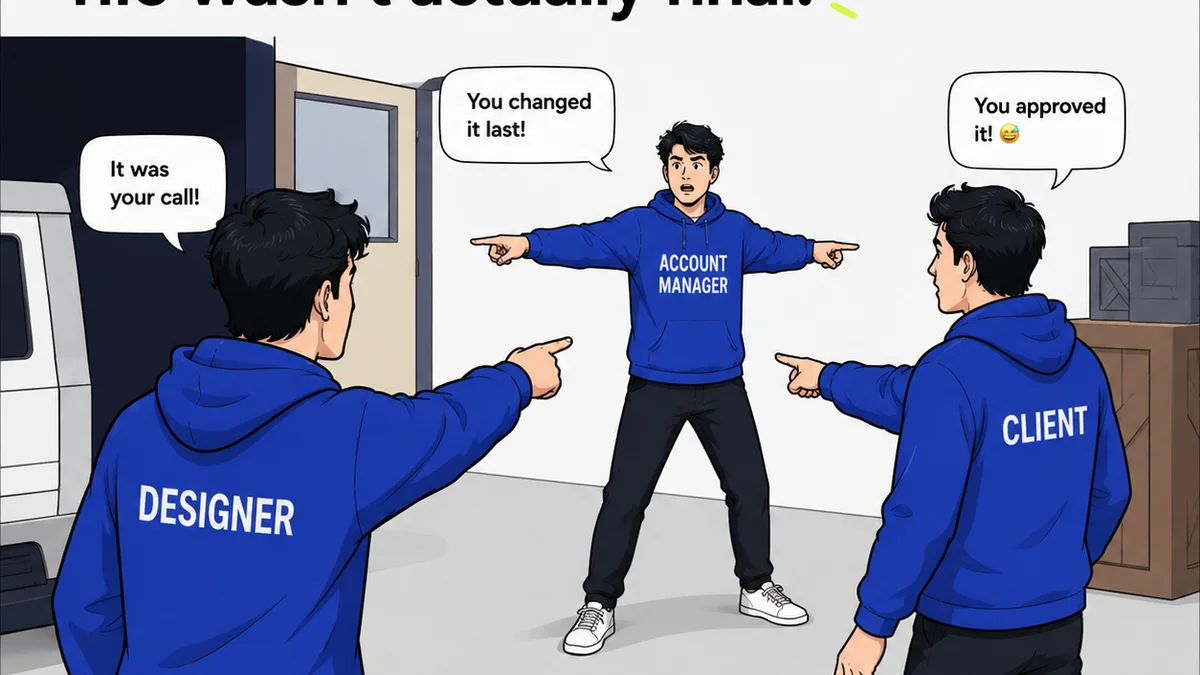
The hard truth? A haphazard approach to UI Quality Assurance (QA) is a direct path to scope creep, client frustration, and a bruised agency reputation. You're not just checking for bugs; you're validating the entire user experience and the creative vision.
1. Beyond the Obvious: What UI QA Really Means
UI QA is more than just finding broken links or misaligned buttons. It's a systematic process to ensure the user interface meets design specifications, functional requirements, and usability standards.
It’s about catching the small things that, when multiplied, create a jarring experience for the end-user. And more importantly, for your client.
Defining the Scope
Before you even think about testing, define what you're testing against.
- Are you working from a finalized design system?
- Do you have detailed wireframes or prototypes?
- What are the core user flows that *must* work flawlessly?
- What are the accessibility requirements (WCAG, etc.)?
Without clear benchmarks, QA becomes subjective. Anyone can say something
Frequently asked questions
What are the most critical elements to include in a UI QA checklist?
A critical UI QA checklist should cover visual consistency (fonts, colors, spacing), functional accuracy (buttons, forms, links), responsiveness across devices/browsers, accessibility standards (WCAG), performance, and content accuracy (typos, grammar).
How often should UI QA be performed during a project?
Ideally, UI QA should be an ongoing process. It should be performed at key milestones: after initial design handoff, after development sprints, before client demos, and most importantly, before final launch or delivery.
Can a UI QA checklist help reduce client revisions?
Absolutely. By catching inconsistencies and functional errors early, a thorough UI QA checklist ensures that what the client sees is polished and functional. This dramatically reduces the likelihood of them finding basic issues and requesting rework, saving time and improving satisfaction.
What's the difference between UI QA and UX testing?
UI QA focuses on the interface itself – its visual elements, functionality, and adherence to design specs. UX testing, on the other hand, evaluates the overall user experience, assessing how easy and enjoyable it is for a user to accomplish their goals with the product. Both are vital but serve different purposes.