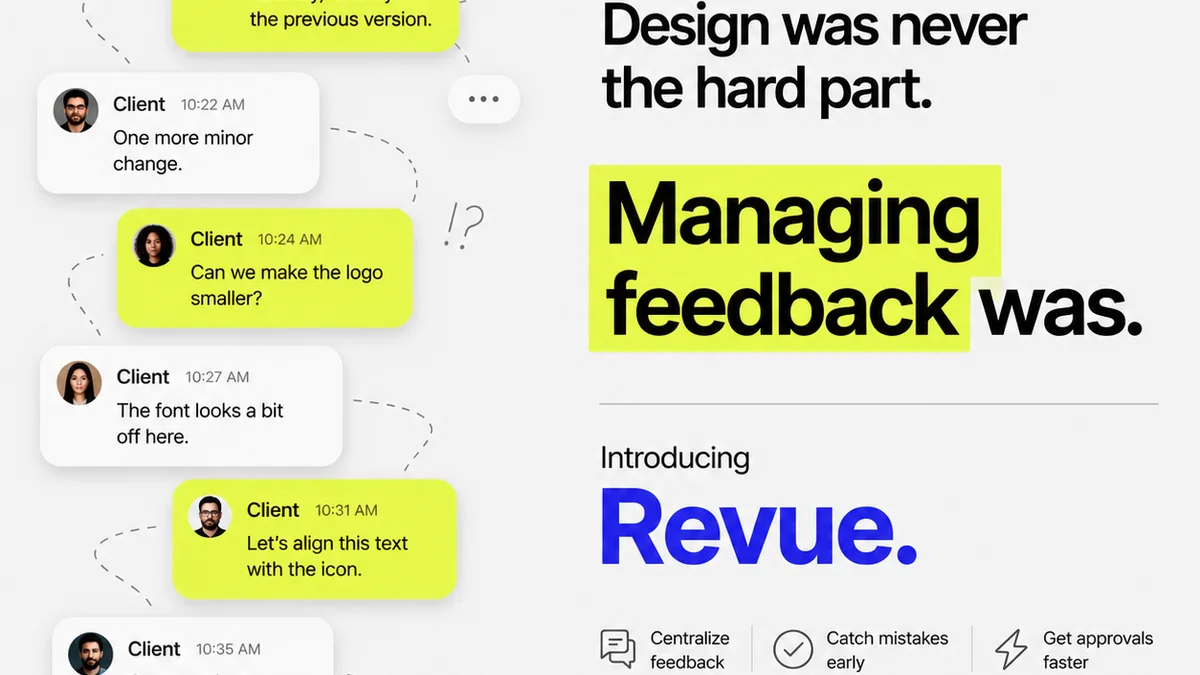
Everyone assumes enterprise creative teams are slow. That their UI/UX work is clunky, outdated, and takes forever to ship. And that it's because they lack top-tier talent.
None of that is wrong. But it’s incomplete.
The hard truth is that enterprise creative teams *can* produce world-class UI/UX. The bottleneck isn't skill. It's operational chaos.
When you’re juggling multiple stakeholders, complex brand guidelines, and legacy systems, even the most brilliant designers can get bogged down. Speed and quality suffer not for lack of talent, but for lack of a clear, efficient workflow.
1. The Myth of the Solo Genius
The startup darling is the lone wolf designer, churning out brilliant interfaces in a vacuum. Enterprise teams are different. They’re complex ecosystems.
This isn't a bad thing. It’s a reality.
Stakeholder Overload
In an enterprise, 'the client' isn't one person. It's a committee. It's legal. It's marketing. It's product. It's often all of the above.
Each has their own priorities, their own language, and their own definition of 'done.' Managing these competing demands is an art form in itself.
Brand Dilution
Enterprise brands are vast and varied. Maintaining strict brand consistency across dozens, hundreds, or even thousands of touchpoints is a monumental task.
A single misplaced pixel can derail a campaign. A slightly off-brand tone can undermine years of brand building.
Legacy Systems & Tech Debt
Enterprise software isn't built overnight. It evolves. And it accumulates baggage. Designers often have to work within the constraints of existing platforms, APIs, and outdated codebases.
This isn't about fighting the system. It's about understanding its limitations and designing *within* them, smartly.
2. Establishing a Unified Design System
A robust design system is non-negotiable for enterprise UI/UX. It’s the single source of truth for all design and development.
Think of it as the central nervous system of your creative output.
Core Components
Define reusable UI elements: buttons, forms, navigation patterns, typography scales, color palettes. Document them clearly and make them accessible to everyone.
Accessibility Standards
Enterprise products serve a diverse user base. Adhering to WCAG standards isn't optional; it's a requirement. Build accessibility into your design system from day one.
Clear Documentation
A design system is useless if no one knows how to use it. Provide clear guidelines, examples, and best practices for designers and developers alike.
Governance & Evolution
Who owns the design system? How are updates proposed and approved? Establish a clear governance model to keep the system relevant and functional.
3. Streamlining Feedback and Approvals
This is where most enterprise creative teams break. The sheer volume of feedback and the layered approval processes can cripple progress.
You need a system. Not just a process.
Centralized Feedback Hub
Move away from endless email chains and scattered Slack messages. All feedback should live in one place, linked directly to the creative asset.
Clear Roles & Responsibilities
Who provides feedback? Who has final approval? Define these roles clearly for each project. Avoid 'design by committee' where everyone has a say but no one has ownership.
Version Control & Audit Trails
Track every revision, every comment, every approval. This protects your team, clarifies decision-making, and provides a historical record.
Automated Notifications
Keep stakeholders informed without manual follow-ups. Notify reviewers when their input is needed and when a decision has been made.
4. Integrating Design and Development
The handoff from design to development is often a point of friction. In enterprise, this friction can cause significant delays and costly rework.
Break down these silos.
Shared Understanding of Tools
Ensure designers and developers are using compatible tools. Design tools that export code snippets or integrate with developer environments can be invaluable.
Prototyping for Clarity
Interactive prototypes are more than just mockups. They’re a way to communicate complex interactions and user flows that static designs can’t convey.
Regular Sync-Ups
Schedule regular meetings between design and development teams. This isn't just for status updates; it's for collaborative problem-solving.
Component Libraries
Develop shared component libraries that both designers and developers can access and contribute to. This ensures consistency from concept to code.
5. Cultivating a Culture of Continuous Improvement
The enterprise landscape is always shifting. Your UI/UX processes need to adapt.
Don't let 'how we've always done it' be the enemy of 'how we could do it better.'
Post-Mortems & Retrospectives
After each major project or release, conduct a thorough review. What went well? What could be improved? Document these learnings.
User Testing & Analytics
Gather real-world data on how users interact with your products. Use this feedback to iterate and refine your designs.
Cross-Functional Training
Encourage designers to understand development constraints and developers to understand design principles. This fosters empathy and collaboration.
Embrace Iteration
Enterprise doesn't mean static. Build processes that allow for ongoing refinement and updates based on feedback and changing business needs.
Where Revue Fits In
Managing feedback, revisions, and approvals in an enterprise setting can feel like herding cats. It’s easy for crucial details to get lost in the noise.
Revue provides a centralized platform designed to bring order to this chaos.
Imagine all client feedback, stakeholder comments, and revision histories living in one organized, accessible place. No more digging through email threads or Slack channels to find that one crucial decision.
Revue streamlines the entire review and approval process, making it transparent for everyone involved. This clarity is essential for enterprise teams juggling multiple stakeholders and complex projects.
It helps ensure that your UI/UX work not only looks great but also meets all necessary quality checks and stakeholder requirements before launch.
Final Thought
Is the struggle with enterprise UI/UX a talent problem, or a process problem?
If your team is brilliant but bogged down, the answer is likely clear. The real challenge isn't finding better designers. It's building a better system.
Frequently asked questions
What is the biggest challenge for UI/UX in enterprise creative teams?
The biggest challenge is often operational chaos, stemming from managing multiple stakeholders, complex brand guidelines, and legacy systems, rather than a lack of talent. This leads to slow iteration and inconsistent quality.
How can enterprise teams maintain brand consistency in UI/UX?
Establishing a robust design system with clearly defined components, color palettes, typography, and accessibility standards is crucial. This system acts as the single source of truth for all creative output.
What's the best way to manage feedback and approvals for enterprise UI/UX projects?
Centralize all feedback in a single hub, define clear roles and responsibilities for reviewers and approvers, maintain version control with audit trails, and use automated notifications to keep stakeholders informed.
How can design and development teams collaborate more effectively in an enterprise setting?
Encourage the use of compatible tools, leverage interactive prototypes to communicate complex flows, schedule regular sync-ups between teams, and develop shared component libraries to ensure consistency from concept to code.
Why is a design system so important for enterprise UI/UX?
A design system provides consistency, efficiency, and scalability. It ensures that all UI/UX elements are standardized, making it easier for large teams to collaborate, maintain brand integrity, and build complex products faster.