You’ve probably heard that website Quality Assurance (QA) is crucial. It’s about catching bugs, ensuring functionality, and making sure the user experience is smooth. None of that is wrong. But it’s incomplete.
For enterprise teams, the real challenge isn’t just finding bugs; it’s the sheer scale, complexity, and distributed nature of their projects. The common assumption is that a dedicated QA team or a lengthy checklist is enough. The hard truth? These approaches often miss the systemic issues that lead to costly errors, missed deadlines, and frustrated stakeholders.
1. Assuming QA is Just About Bugs
Website QA is often narrowly defined as functional testing – does the button work? Does the form submit? Does the page load?
This is a limited view. For enterprise projects, QA must encompass a much broader scope:
- Content Accuracy: Is all copy correct, up-to-date, and on-brand?
- Brand Consistency: Does the design adhere to global brand guidelines across all regions and product lines?
- Accessibility: Does the site meet WCAG standards for all users?
- Performance: Does the site load quickly on various devices and network conditions?
- Security: Are there any obvious vulnerabilities?
- SEO Best Practices: Are meta tags, alt text, and structured data implemented correctly?
When QA is siloed into just
Frequently asked questions
What's the biggest difference between QA for small sites and enterprise sites?
Scale and complexity. Enterprise sites involve more stakeholders, integrations, regional variations, and larger codebases, making comprehensive QA far more challenging and critical.
How can enterprise teams ensure brand consistency during QA?
Establish clear, accessible brand guidelines and ensure QA checklists specifically include checks against these guidelines. Visual regression testing tools can also help automate some checks.
Is accessibility testing a mandatory part of website QA for enterprises?
While not always legally mandated for every single site, it's a critical best practice and often a legal requirement in many regions. It ensures inclusivity and broadens your audience. Major organizations are expected to comply with standards like WCAG.
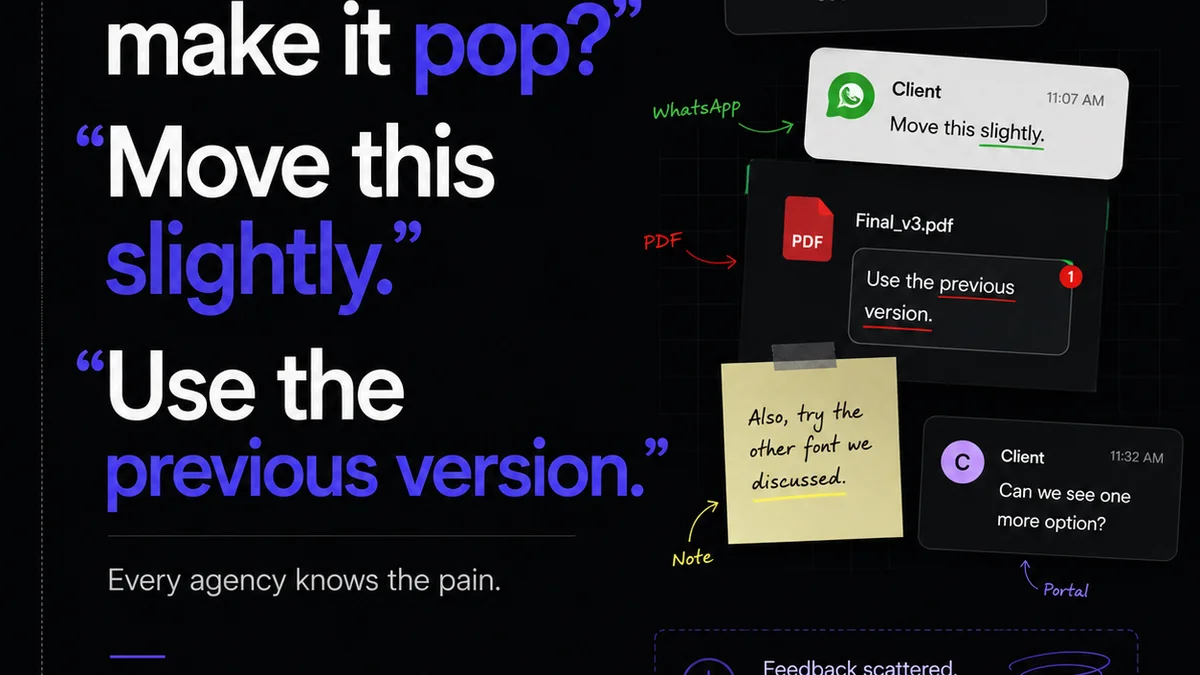
How does decentralized feedback impact enterprise website QA?
Decentralized feedback leads to version control issues, missed comments, and conflicting instructions. Centralizing feedback in a single platform resolves these problems, ensuring QA works with the latest approved information.