Everyone thinks agencies lose clients because the creative work wasn't good enough. Or maybe the price was too high. That’s what most people say. And sure, sometimes that’s true.
But it’s rarely the whole story. Usually, it’s not a single catastrophic failure. It’s a slow bleed. A thousand tiny cuts that erode trust and goodwill.
The hard truth? Most agencies lose clients because of poor process. Specifically, how they handle feedback, revisions, and approvals. This is the operational bedrock. Get it wrong, and even brilliant creative will crumble.
1. The Feedback Black Hole
Client feedback is gold. It’s the direct line to what the client wants and needs. But in many agencies, it’s treated like a liability. Something to be managed, controlled, or worse, ignored.
This isn’t just about communication. It’s about the *system* of communication.
The Symptoms
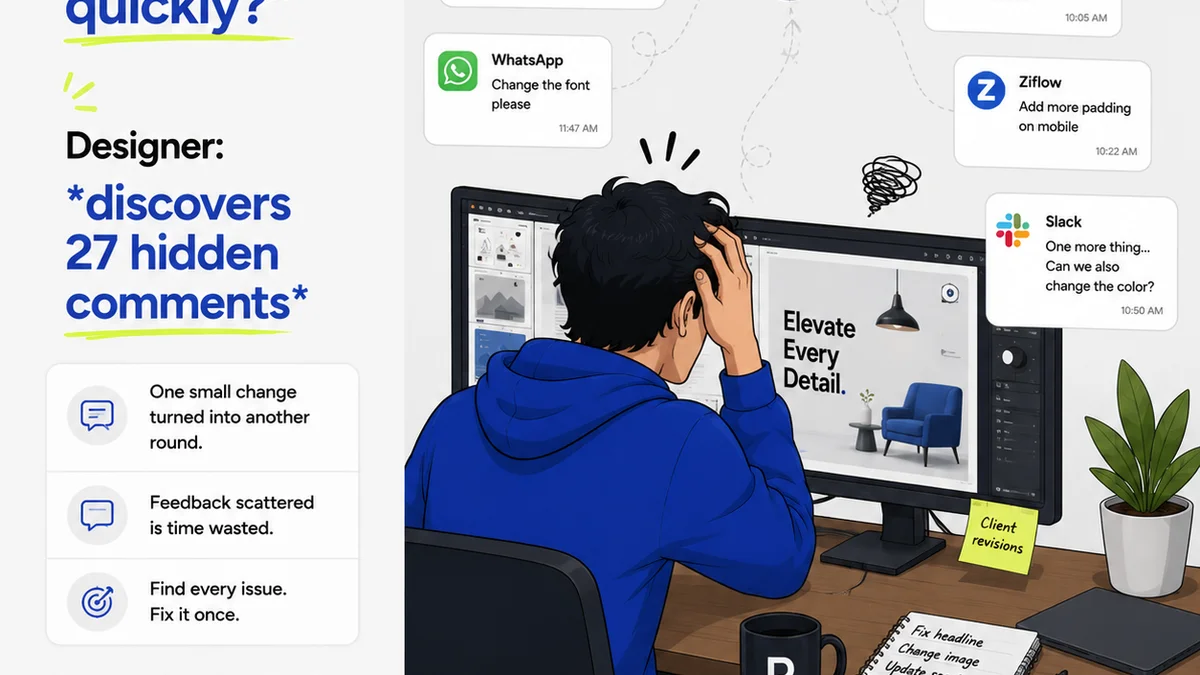
- Feedback arrives fragmented: emails, Slack messages, random phone calls, scribbled notes.
- Key stakeholders’ input gets lost or misinterpreted.
- Revisions are based on guesswork because the original feedback wasn’t clear or complete.
- Clients feel like they’re repeating themselves, leading to frustration.
- The account team spends more time chasing down feedback than acting on it.
This chaos breeds inefficiency. It creates misunderstandings that fester. And clients notice. They see an agency that can’t get its act together. That doesn’t inspire confidence. Especially when deadlines loom and budgets are tight.
2. The Endless Revision Cycle
Revisions are part of the job. But an endless revision cycle is a death knell. It signals a lack of strategic alignment and poor project scoping from the outset.
More often, though, it’s a symptom of unclear direction stemming from that feedback black hole.
Why It Happens
- Lack of a clear, defined scope of work.
- Poorly documented client requirements.
- No structured way to manage feedback and ensure all points are addressed.
- The client doesn’t understand the impact of their requested changes on scope, timeline, and budget.
- The agency doesn’t push back effectively or educate the client on trade-offs.
When clients see their project dragging on, costing more than expected, and still not hitting the mark, they start looking for an exit. They might blame the creative, but the real culprit is the process that allowed the project to spiral.
3. The Approval Bottleneck
Approvals are the gatekeepers. They ensure that work meets objectives and client expectations before launch. But when the approval process is murky, it becomes a major roadblock.
Clients need to see clear progress and feel in control. A clunky approval process makes them feel the opposite.
Common Pitfalls
- Unclear who has final sign-off authority.
- Lack of a centralized system for tracking approvals and rejections.
- Delays waiting for busy stakeholders to review and respond.
- No clear version control, leading to confusion about which asset is the latest.
- The client feels like they are being rushed or pressured into approvals without adequate time.
This isn’t just an agency problem. It’s a client problem too. If your process makes it hard for them to do their job (approving work), they’ll find an agency that doesn’t. They want a partner, not a project manager who can’t manage.
4. The Quality Control Chasm
This is where creative meets execution. It’s the final check before anything goes out the door. Many agencies treat this as an afterthought, a quick glance before hitting send.
But a missing or weak quality control (QC) process is a direct path to client dissatisfaction.
What Goes Wrong
- Typos and grammatical errors slip through.
- Brand guidelines are violated (colors, fonts, logos).
- Technical specs are missed (file formats, dimensions, resolution).
- Links are broken or lead to the wrong places.
- The work simply doesn’t meet the agreed-upon brief or strategic objectives.
When work is delivered with errors or omissions, it signals a lack of professionalism and attention to detail. Clients lose faith in the agency’s ability to deliver polished, professional results. This erodes trust faster than almost anything else.
5. The Misalignment of Expectations
This is the overarching issue that ties all the above together. It’s the gap between what the client *thinks* they’re getting and what the agency is actually *delivering*.
This gap is almost always a result of process failures.
The Root Causes
- Scope creep that isn’t managed or communicated effectively.
- Lack of clear, documented project briefs and objectives.
- Poor communication around project status, challenges, and changes.
- Failure to educate clients on the creative process and potential trade-offs.
- Overpromising and underdelivering due to internal inefficiencies.
Clients hire agencies for expertise and execution. When the execution falters because the process is broken, the agency fails to meet expectations. This leads to disillusionment. And eventually, the client will seek an agency that can deliver on its promises, consistently.
Where Revue Fits In
These operational breakdowns aren’t inevitable. They’re manageable. And that’s where a platform designed for creative workflow comes in.
Revue helps centralize the chaos. It provides a single source of truth for client feedback, making it easier to capture, organize, and act upon. This eliminates the feedback black hole.
With clear, documented feedback directly tied to specific creative assets, revisions become more targeted and efficient. Version control ensures everyone is working from the latest file, streamlining the approval process. Visibility into feedback and revision history builds trust and accountability.
This structured approach directly addresses the common pitfalls that lead to endless revision cycles and approval bottlenecks. It ensures that quality control is not an afterthought but an integrated part of the workflow.
Ultimately, by bringing clarity and control to feedback, revisions, and approvals, Revue helps agencies align expectations and deliver consistently excellent work. It turns operational friction into a smooth, predictable process.
Final Thought
Are you losing clients because your creative isn't sharp enough? Or are you losing them because your process is dull?
The difference is critical. And the fix is rarely about finding better designers. It’s about building better systems.
Frequently asked questions
What is the most common reason agencies lose clients?
While creative quality is important, the most common reason agencies lose clients is due to poor operational workflow, specifically how they manage client feedback, revisions, and approvals. This leads to frustration, delays, and a loss of trust.
How does unclear feedback impact client relationships?
Unclear or fragmented feedback creates a 'feedback black hole.' It leads to misunderstandings, wasted time chasing down information, and revisions based on guesswork. Clients feel unheard and that the agency lacks control, eroding confidence in the agency's ability to deliver.
What causes an 'endless revision cycle'?
Endless revision cycles often stem from a lack of clear scope, poorly documented requirements, or a failure to manage feedback systematically. When projects spiral, costing more time and money without clear direction, clients become disillusioned.
How can agencies improve their client approval process?
Agencies can improve approvals by establishing clear sign-off authority, using a centralized system for tracking decisions, ensuring version control, and setting realistic timelines. Educating clients on the process and its impact is also key.