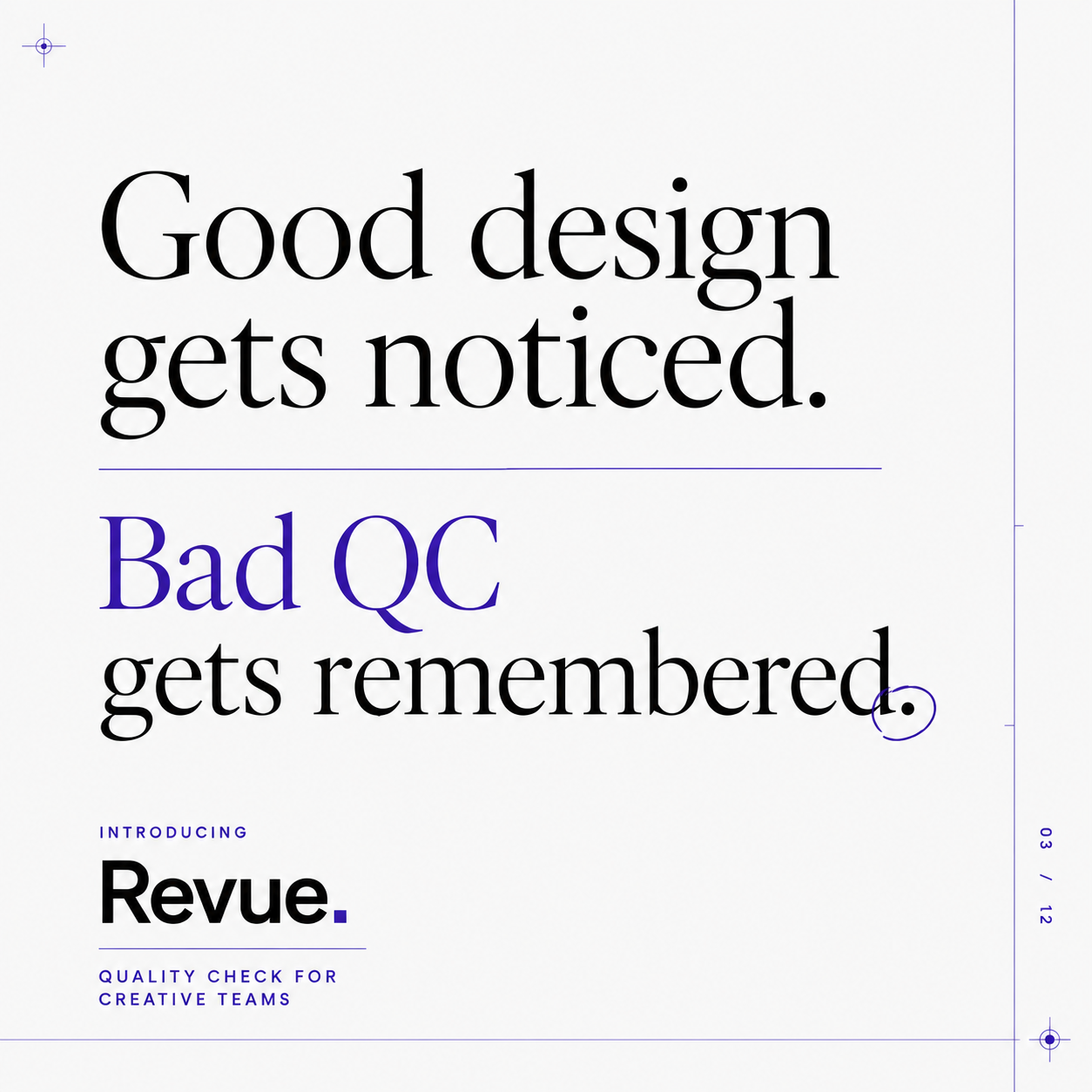
A campaign can have brilliant visuals, strong messaging, and weeks of thoughtful creative effort behind it. But if the client notices one typo, one spacing issue, or one misaligned element, that mistake suddenly becomes the center of attention.
Not the creativity.
Not the strategy.
Not the effort.
Just the mistake.
And the frustrating part? Most clients wouldn’t even know how difficult the project was. But they instantly notice what feels “off.”
This is one of the biggest hidden tensions inside creative agencies and design teams.
Why Small Design Errors Feel Bigger Than They Are
Clients rarely evaluate design work like designers do.
Designers often focus on:
visual hierarchy
composition
storytelling
balance
creativity
Clients focus on:
trust
polish
confidence
professionalism
That means a tiny mistake can unintentionally signal:
lack of attention to detail
rushed execution
weak internal review
inconsistent quality control
Psychologically, humans are wired to notice anomalies.
When everything looks polished, even one visible issue stands out immediately.
It’s the same reason people notice:
one dead pixel on a screen
one spelling mistake in a presentation
one crooked frame on a wall
The brain naturally locks onto inconsistency.
The Problem Isn’t Creativity. It’s Workflow.
Most creative teams are not struggling because they lack talent.
They struggle because modern creative workflows are chaotic.
A typical project today involves:
multiple revisions
scattered feedback
WhatsApp messages
email threads
last-minute edits
version confusion
tight deadlines
As projects move faster, the chances of small mistakes increase dramatically.
And ironically, the more experienced the team becomes, the more they rely on memory and speed instead of structured quality checks.
That’s where avoidable mistakes begin.
Why Creative Teams Often Miss Obvious Errors
One of the biggest misconceptions in agencies is:
“If we review it enough times, we’ll catch everything.”
In reality, familiarity creates blindness.
After staring at the same design for hours or days:
the brain auto-corrects text mentally
spacing inconsistencies become invisible
alignment issues stop feeling noticeable
repeated review reduces objectivity
This is why clients often spot mistakes within seconds that internal teams missed for days.
Fresh eyes always see differently.
The Real Cost of Small Mistakes
A typo may seem harmless internally. But externally, it can create larger business consequences.
1. Reduced Client Confidence
Clients begin questioning the overall process.
If one visible issue was missed, they wonder:
“What else was overlooked?”
2. Endless Revision Loops
One detected mistake often triggers deeper scrutiny.
Clients start reviewing everything more critically, increasing revisions and slowing approvals.
3. Damaged Brand Perception
For brands running large campaigns, even a small mistake can affect public perception.
Especially in:
ads
packaging
social campaigns
websites
presentations
4. Team Burnout
Repeated manual checking drains creative energy.
Designers spend more time reviewing details instead of focusing on creativity and problem-solving.
Why Agencies Need Better Quality Control Systems
Creative excellence alone is no longer enough.
As agencies scale, quality cannot depend only on:
memory
manual reviews
individual experience
It requires systems.
High-performing creative teams increasingly rely on structured workflows for:
feedback management
version tracking
approval systems
quality control
Because the goal is not perfection.
The goal is reducing preventable mistakes before clients see them.
The Shift From Manual Checking to Assistive Systems
The future of creative operations is not replacing creativity.
It’s protecting it.
Modern creative teams are beginning to adopt assistive systems that help:
centralize feedback
reduce repetitive review cycles
identify inconsistencies earlier
improve collaboration clarity
This allows teams to spend less energy catching avoidable issues and more energy doing meaningful creative work.
Tools like Revue are being built around this exact shift — helping agencies reduce operational friction while improving creative confidence.
Final Thoughts
Clients don’t notice mistakes because they want to criticize creative work.
They notice them because mistakes interrupt trust.
And in creative industries, trust is everything.
The agencies that grow sustainably over the next decade will not just produce strong creative work.
They will build systems that consistently protect the quality of that work.
Because in the end:
Hundreds of perfect details become invisible the moment one mistake steals attention.
Frequently asked questions
Why do clients notice small design mistakes so quickly?
Humans naturally notice inconsistencies. Even a small typo or alignment issue can stand out when everything else looks polished.
Why do designers miss obvious errors?
Long exposure to the same project creates familiarity blindness, making it harder to spot inconsistencies objectively.
How can agencies reduce design errors?
Agencies can reduce mistakes through structured quality control systems, centralized feedback workflows, and collaborative review processes.
What is creative quality control?
Creative quality control is the process of reviewing creative assets for errors, inconsistencies, and delivery issues before client approval or publishing.