Everyone talks about creative quality. We laud the breakthrough ideas, the stunning visuals, the flawless execution. We celebrate the *output*.
But if you’re only focused on the final polish, you’re missing the forest for the trees. You're treating quality as an afterthought, a final check before shipping.
That’s not quality. That’s damage control.
The hard truth? True quality isn’t a gatekeeper; it’s a culture. It’s woven into the fabric of how your team works, from the first brief to the final pixel. And that means embedding Quality Control (QC) into your creative culture, not bolting it on at the end.
1. The Myth of the 'Final Check'
The common assumption is that QC is a department, a person, or a phase. It’s the last hurdle before delivery. Someone, somewhere, catches the typos, the misaligned logos, the broken links.
This approach leads to:
- Last-minute scrambles and missed deadlines.
- Projects grinding to a halt while minor issues are fixed.
- A blame game when errors inevitably slip through.
- Frustration for creatives who feel their work is being nitpicked, not improved.
- Clients who see your agency as error-prone.
This isn't QC. This is remediation.
The Real Cost of Reactive Quality
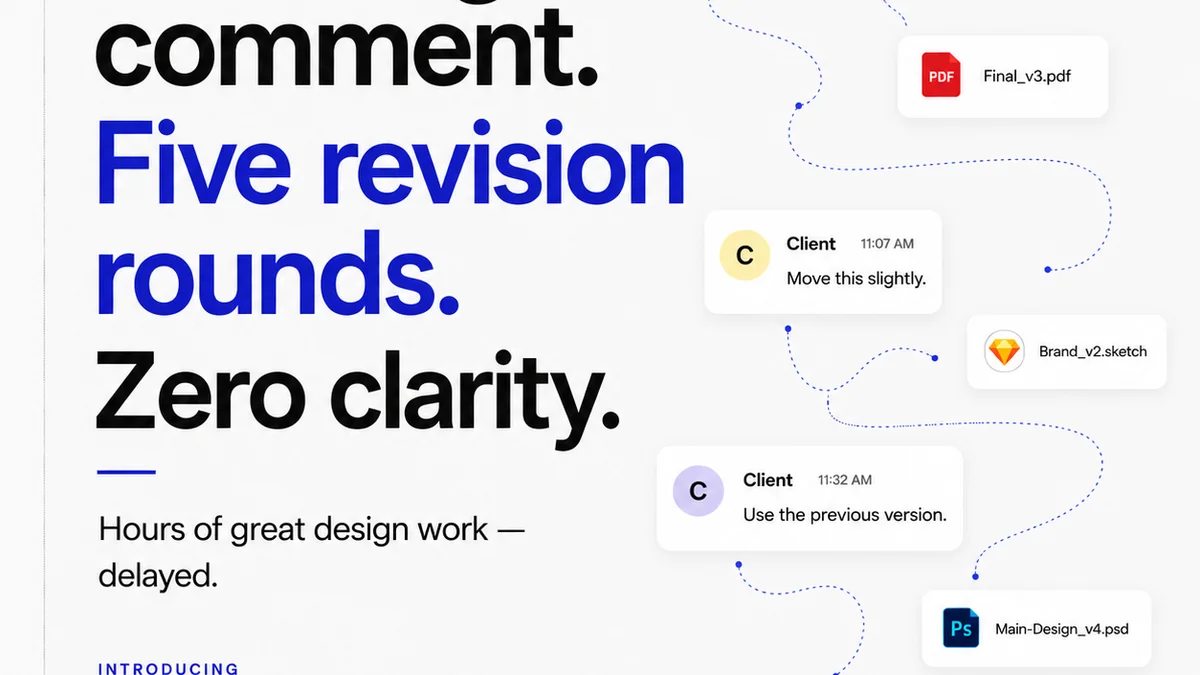
When quality is an afterthought, the cost isn't just monetary. It’s also the erosion of trust, both internal and external. It’s the wasted hours spent fixing preventable mistakes. It’s the dip in team morale when projects feel like a constant battle against errors.
2. Building Quality into the Creative Process
Shifting to a culture of quality means moving from a reactive to a proactive stance. Quality becomes a shared responsibility, not a singular task.
Integrate QC from the Start
How do you do this? Start by defining what
Frequently asked questions
What is the difference between QC as a phase and QC as a culture?
QC as a phase treats quality as a final step before delivery, often involving a dedicated checker. QC as a culture embeds quality principles and checks throughout the entire creative process, making it a shared responsibility rather than a bottleneck.
How can small agencies implement a QC culture without dedicated staff?
Start small. Implement checklists for common tasks, use peer reviews at key stages, and train your existing team on quality standards. Leverage tools that automate checks where possible. The key is making quality a conscious part of every step.
What are the biggest benefits of a strong QC culture?
The benefits include fewer errors, reduced revision cycles, faster delivery times, increased client satisfaction and trust, improved team morale, and a stronger reputation for reliability and excellence.
How does client feedback fit into a QC culture?
Client feedback is crucial input. A QC culture ensures that feedback is gathered, understood, and acted upon efficiently and accurately, without introducing new errors. It's about managing feedback quality as much as creative output quality.