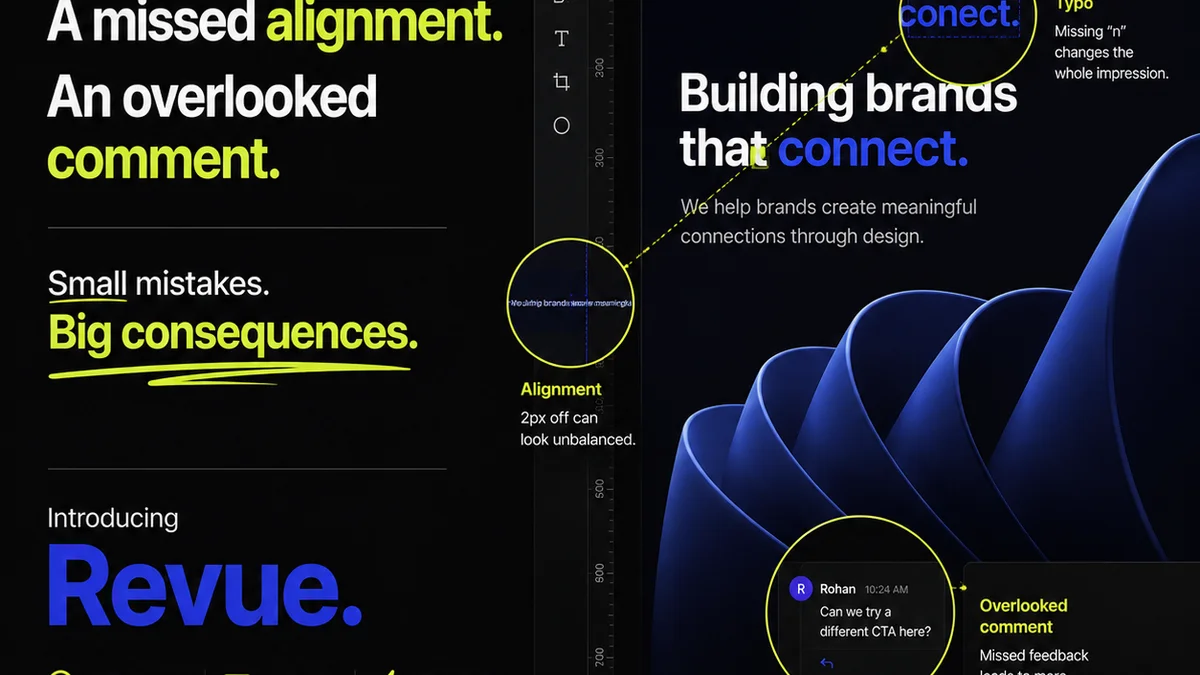
Everyone says you need a client feedback tool. That you need to streamline approvals. That software will magically fix your communication problems.
None of that is wrong. But it’s incomplete.
The hard truth is that the best client feedback software isn’t just a place to collect comments. It’s a strategic asset. It’s the central nervous system for your creative projects, connecting clients, creatives, and project managers in a single, transparent flow. Without the right system, you’re not just dealing with minor annoyances; you’re actively losing time, money, and goodwill.
If Ziflow isn’t hitting the mark, or you’re just starting your search, you need to look beyond the surface features. You need to understand how a tool will integrate into your actual workflow, how it handles the messy parts of creative collaboration, and how it ultimately drives better outcomes.
1. Understanding Your Core Needs: Beyond Features
Many teams shop for software based on a feature checklist. They want annotation tools, version control, and user roles. These are table stakes.
The real differentiator is how a tool supports your specific agency or team’s operational realities. Consider these questions:
- How complex are your typical client revision rounds?
- Do you need to manage multiple stakeholders with varying levels of input?
- What's your current bottleneck: getting feedback, processing it, or getting final approval?
- How much time do you spend chasing down feedback or clarifying comments?
- What’s the cost of a delayed project or a misinterpretation of feedback?
These aren't just abstract queries. They point to the underlying operational friction that good software should eliminate.
1.1. The Feedback Loop: More Than Just Comments
Collecting feedback is step one. What happens next is crucial. Does the tool make it easy to:
- Assign feedback to specific team members?
- Track who gave what feedback and when?
- See the history of revisions and decisions?
- Consolidate conflicting feedback from multiple sources?
If your feedback tool just acts as a digital sticky note dispenser, it’s failing.
1.2. Revision Management: The Unsung Hero
This is where many tools fall short. It’s not enough to see the latest version. You need to:
- Clearly see what has changed from one version to the next.
- Easily compare different revision stages side-by-side.
- Maintain a clear audit trail of all approved versions.
Without this, you’re back to manual version control headaches and the dreaded “Which version is this, again?” email chains.
1.3. Approval Workflows: Clarity and Accountability
Who needs to sign off? What happens if they don’t? A robust system provides:
- Configurable approval paths.
- Automated notifications for approvers.
- Clear status indicators for everyone involved.
This reduces ambiguity and ensures projects move forward efficiently.
2. Top Ziflow Alternatives: A Comparative Look
When evaluating Ziflow alternatives, prioritize tools that offer deep workflow integration, not just surface-level features. Here are some strong contenders, focusing on their operational strengths:
2.1. Filestage
Filestage excels at simplifying the entire review and approval process for creative teams. It's known for its user-friendly interface and straightforward workflow automation.
- Strengths: Intuitive design, clear commenting and annotation tools, robust approval workflows, project dashboards that give instant status updates.
- Best for: Agencies and teams that need a no-nonsense way to manage feedback and approvals across various media types (video, design, documents) without a steep learning curve.
2.2. GoVisually
GoVisually is built with creative professionals in mind, offering a clean interface and features designed to speed up client reviews.
- Strengths: Real-time annotation, version comparison, task management integration, and a focus on making client communication frictionless.
- Best for: Design agencies and marketing teams that value speed and a streamlined, visually oriented feedback process.
2.3. Brandfolder (and its related products like Front Door)
While Brandfolder is primarily a Digital Asset Management (DAM) system, its review and approval capabilities, often integrated through companion products, offer a powerful way to manage creative assets from concept to final delivery.
- Strengths: Deep integration with asset management, robust version control, permissioning, and a comprehensive audit trail for assets.
- Best for: Larger organizations or agencies with a significant volume of digital assets that need to be managed, reviewed, and approved within a single ecosystem.
2.4. Asana / Monday.com (with caveats)
These are project management platforms, not dedicated feedback tools. However, many teams attempt to use them for feedback by leveraging comment features or custom fields.
- Strengths: Highly customizable, can integrate many aspects of a project.
- Weaknesses: Lack specialized creative review features (e.g., pixel-perfect annotation, video time-stamping). Feedback can become buried in general task comments. Version control is often manual or requires clunky workarounds.
- Best for: Teams already heavily invested in these platforms who need a basic, integrated solution and are willing to accept significant workflow compromises.
2.5. Frame.io (now part of Adobe)
Primarily focused on video, Frame.io offers exceptional tools for video review and approval, with features extending to other media.
- Strengths: Best-in-class video review tools (time-coded comments, playback sync), excellent collaboration features, strong integration within the Adobe ecosystem.
- Best for: Video production teams, agencies with significant video content, and those already using Adobe Creative Cloud.
3. Integrating Feedback into Your Workflow: The Operational Shift
Choosing a tool is only part of the solution. The real magic happens when feedback software becomes a natural extension of your team's daily operations. This requires a conscious shift in how you approach client collaboration.
3.1. Standardize Your Process
Don't let feedback become an ad-hoc, chaotic event. Define clear steps:
- When will feedback be collected?
- Who is responsible for consolidating and clarifying it?
- What constitutes a
Frequently asked questions
What are the main benefits of using a client feedback tool?
Client feedback tools centralize communication, reduce misinterpretations, speed up revision cycles, provide a clear audit trail of feedback and approvals, and improve overall project efficiency by minimizing back-and-forth emails and calls.
How do I choose the right Ziflow alternative for my agency?
Consider your agency's specific needs: project complexity, media types (video, design, web), team size, budget, and integration requirements. Prioritize tools with intuitive interfaces, robust annotation, clear version control, and customizable approval workflows.
Can project management tools like Asana replace dedicated feedback software?
While PM tools can accommodate basic feedback, they often lack specialized creative review features like precise annotation, time-coded comments for video, or side-by-side version comparison. Dedicated tools offer a more streamlined and effective experience for creative feedback.
What is the most important feature in a client feedback tool?
While annotation and versioning are critical, the most operationally impactful feature is often a clear, customizable approval workflow. This ensures accountability, reduces delays, and provides transparency for all stakeholders involved in the project sign-off process.