Everyone talks about fostering a creative environment. You need the right mood, the right music, the right snacks. You need freedom to experiment, right?
None of that is wrong. But it’s incomplete.
The hard truth? Your creative output isn't limited by talent. It's limited by your operational clarity. Or more often, the lack of it.
1. The Myth of the Unfettered Creative Genius
We love the romantic notion of the lone genius, struck by lightning. That’s a nice story for a movie. In reality, great creative work is the product of a well-oiled machine.
A machine that needs clear inputs, defined processes, and transparent feedback loops.
Without operational clarity, your creatives are navigating a minefield.
Common Symptoms of Operational Fog
- Endless, vague feedback cycles.
- Scope creep disguised as 'creative exploration'.
- Team members stepping on each other's toes.
- Missed deadlines due to unclear priorities.
- Burnout from constant, undirected revisions.
- A general sense of 'what are we even doing?'
This isn't a creative problem. It's an operational one.
2. Clarity as the Ultimate Creative Tool
Think of operational clarity as the scaffolding that allows the building to rise safely and efficiently. It doesn't dictate the architecture; it enables it.
When your agency workflow is crystal clear, everyone knows:
- What the project goals are.
- Who is responsible for what.
- What the decision-making process looks like.
- How feedback will be gathered and implemented.
- What 'done' actually means.
This predictability frees up mental bandwidth.
Your creative teams can focus on the *craft*, not the *chaos*.
This is where process optimization moves from a nice-to-have to a must-have.
3. Deconstructing Bottlenecks: Where Does the Work Get Stuck?
Most agencies suffer from hidden bottlenecks. They're not always obvious, but they kill productivity and drain morale.
Where do these jams typically occur?
Feedback Loops Gone Wild
This is the classic killer. Unstructured, subjective, and endless feedback is the enemy of timely delivery. When feedback isn't consolidated, prioritized, or clearly actionable, it creates paralysis.
Undefined Approval Pathways
Who signs off? When? On what specific deliverable? Without a clear transparency in approvals, projects languish, waiting for a decision that may never come, or worse, comes too late.
Siloed Communication
When information lives in scattered emails, Slack channels, and random docs, it’s lost. This leads to duplicated effort, missed context, and decisions made on incomplete information.
Lack of Clear Briefs
This is foundational. A weak brief is a recipe for disaster. If the objectives, target audience, and key deliverables aren't nailed down from the start, the creative team is set up to fail.
Creative operations aren't just about tools; they're about the intelligent design of these workflows.
4. Building a Culture of Operational Excellence
This isn't about micromanagement. It's about building systems that support, rather than hinder, your team's best work.
Start by mapping your current processes. Be brutal.
Where are the pain points? Where is time wasted?
Then, implement clear protocols:
- Standardized project briefs.
- Defined review and approval stages with clear ownership.
- Centralized platforms for all project communication and assets.
- SOPs for common tasks.
This fosters team alignment because everyone is operating from the same playbook.
It also drives efficiency.
5. Where Revue Fits In
You need a system that enforces clarity without stifling creativity. That’s where dedicated creative operations platforms like Revue come in.
Revue helps by:
- Centralizing Client Feedback: No more sifting through endless email chains. All feedback lives in one place, tied directly to the specific creative asset.
- Managing Revisions & Approvals: Clear workflows mean everyone knows who needs to review what, when, and what the status is. This visibility eliminates guesswork and speeds up the process.
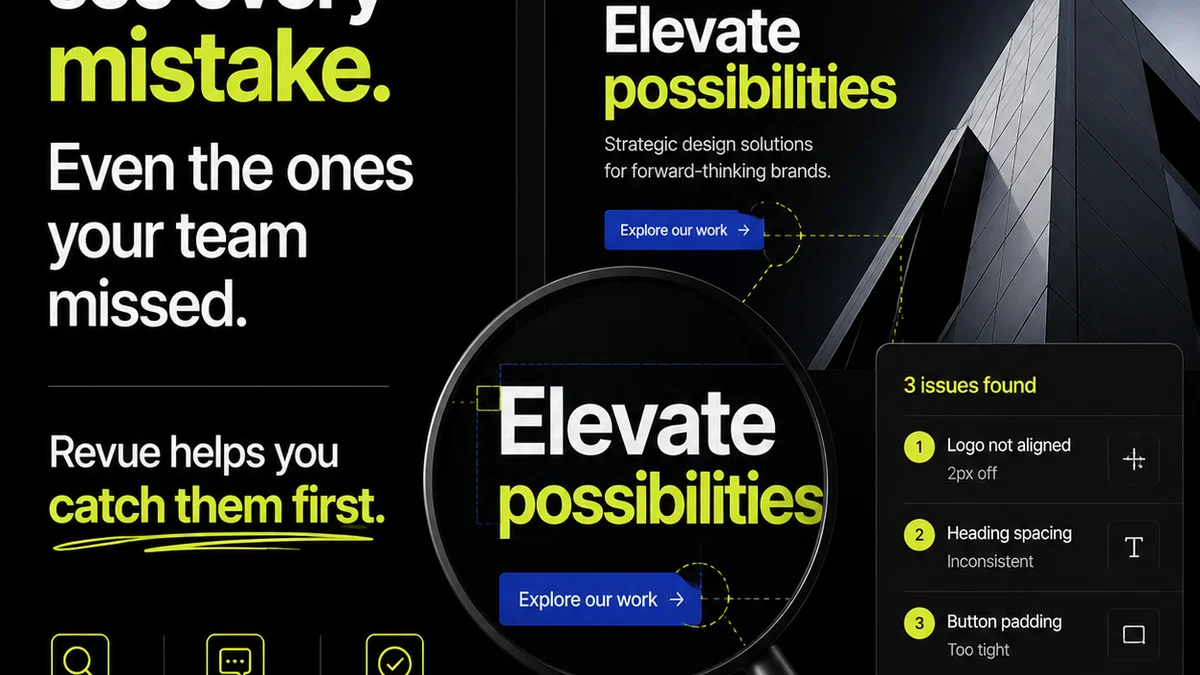
- Running Quality Checks: By standardizing the feedback and approval process, you inherently build in quality gates, ensuring that work meets requirements before final sign-off.
This isn't about adding bureaucracy. It's about removing the friction points that prevent great creative from seeing the light of day.
6. Final Thought
Is your agency's operational structure a launchpad for creativity, or an anchor holding it down?
The answer lies not in hiring more
Frequently asked questions
What is operational clarity in an agency context?
Operational clarity means having well-defined, transparent, and efficient processes for all aspects of agency work, from project kickoff and feedback to approvals and final delivery. It ensures everyone knows their roles, responsibilities, and the project's goals.
How does operational clarity directly impact creative output?
By removing ambiguity and streamlining workflows, operational clarity frees up creative teams to focus on the actual creative work rather than getting bogged down in administrative tasks, endless revisions, or unclear feedback. This leads to higher quality, more timely output.
What are the common signs of a lack of operational clarity?
Common signs include vague client feedback, scope creep, missed deadlines, team confusion about tasks, duplicated efforts, and a general sense of chaos or inefficiency in project execution.
How can agencies improve their operational clarity?
Agencies can improve clarity by mapping existing processes, standardizing briefs and feedback mechanisms, establishing clear approval pathways, centralizing communication and assets, and implementing SOPs for recurring tasks. Using dedicated software can significantly help.
Can a focus on operations stifle creativity?
Not if done correctly. The goal of operational clarity isn't to restrict creativity but to build a supportive structure. Clear processes handle the 'how,' allowing creatives to focus on the 'what' and 'why' without unnecessary friction or confusion.