You’ve probably heard that great agencies reduce design errors by hiring the best talent. That you just need to find people who don’t make mistakes.
None of that is wrong. But it’s incomplete.
The hard truth? Great agencies don’t just hire for talent; they engineer their *process* to prevent errors. They build systems that catch mistakes before they ever reach the client. It’s about operational rigor, not just raw skill.
1. The Myth of the Flawless Designer
We like to think of designers as artists, divinely inspired and incapable of error. That’s a nice story. It’s also terrible operational thinking.
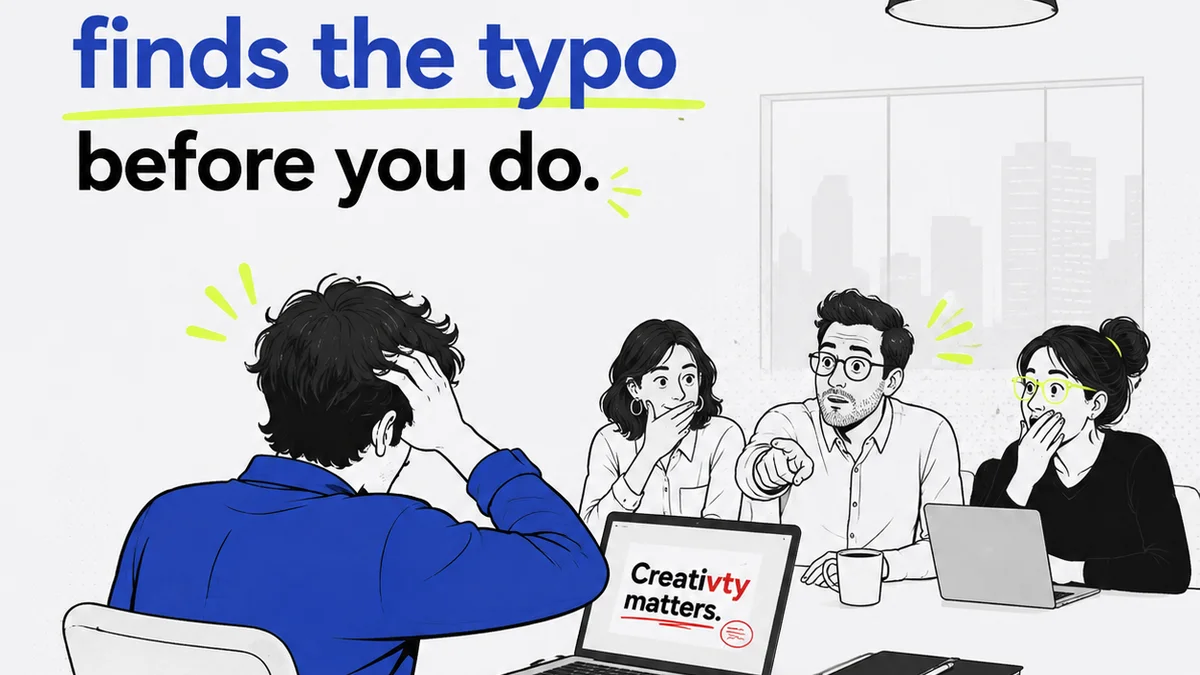
Designers are human. They get tired, stressed, and sometimes they miss things. Especially when they’re under pressure, juggling multiple projects, or dealing with unclear feedback.
Expecting perfection from individuals is a losing game. It leads to burnout and, ironically, *more* errors when people are afraid to admit they’re struggling.
2. Where Errors Actually Happen
Design errors rarely stem from a single designer’s failing. They’re almost always a symptom of a broken workflow. Think about it:
- Unclear briefs lead to wrong assumptions.
- Late-stage, vague client feedback creates confusion and rework.
- Poor internal communication means designers don’t have the full context.
- Lack of standardized checks allows small mistakes to snowball.
- Tight deadlines force shortcuts, bypassing critical review steps.
These aren’t individual failures; they’re systemic breakdowns. And they cost agencies time, money, and client trust.
3. Building a Quality Control Framework
Great agencies treat quality assurance (QA) not as an afterthought, but as a core part of their process. It’s woven into every stage.
3.1. The Crystal-Clear Brief
Everything starts here. A vague brief is an invitation for errors. Ensure every brief:
- Defines objectives and key performance indicators (KPIs).
- Specifies target audience and tone of voice.
- Outlines required deliverables and formats.
- Lists mandatory elements (logos, taglines, legal disclaimers).
- Includes examples of what to do and what *not* to do.
This isn’t just about ticking boxes. It’s about establishing a shared understanding from day one.
3.2. Structured Peer Review
This is where many agencies stumble. “Just have another designer look at it” isn’t a process.
A real peer review system should be:
- Scheduled: Not an ad-hoc favor. Build it into the project timeline.
- Structured: Provide a checklist or specific questions to guide the reviewer. Focus on brief adherence, brand consistency, technical specs, and potential usability issues.
- Objective: Reviewers should focus on the work against the brief, not personal aesthetic preferences.
- Actionable: Feedback must be clear, concise, and easy for the original designer to implement.
This catches subjective misinterpretations and objective oversights early.
3.3. Standard Operating Procedures (SOPs) for Deliverables
For common deliverables, create SOPs. These are step-by-step guides that ensure consistency and completeness.
Think about:
- File naming conventions.
- Color space requirements (RGB vs. CMYK).
- Resolution and dimension standards.
- Font embedding protocols.
- Specific export settings for different platforms.
These SOPs become your agency’s baseline for quality. They remove guesswork and ensure every output meets a defined standard.
3.4. Client Feedback Protocols
Client feedback is a major source of errors. Not because clients are difficult, but because agencies often manage it poorly.
Implement protocols like:
- Centralized Feedback: All comments in one place. No more chasing emails or Slack messages.
- Clear Annotation Tools: Allow clients to pinpoint issues directly on the asset.
- Feedback Summaries: Consolidate client input before it goes to the design team, clarifying vague comments and prioritizing actionable items.
- Revision Limits: Clearly defined scope for revisions to prevent scope creep and rushed work.
This structured approach ensures feedback is understood and acted upon correctly.
3.5. The Final QA Check
Before anything goes live or to print, a final, dedicated QA check is non-negotiable. This person or team acts as the last line of defense.
Their checklist should be comprehensive, covering:
- Adherence to the final approved brief.
- Brand guideline compliance.
- Accuracy of copy and data.
- Technical specifications (file types, dimensions, resolution).
- Consistency across all assets in a campaign.
- Proofreading for typos and grammatical errors.
This isn’t just about spotting typos; it’s about ensuring the entire deliverable is fit for purpose.
4. Where Revue Fits In
Managing all these steps manually is a recipe for chaos. This is where workflow optimization tools become essential.
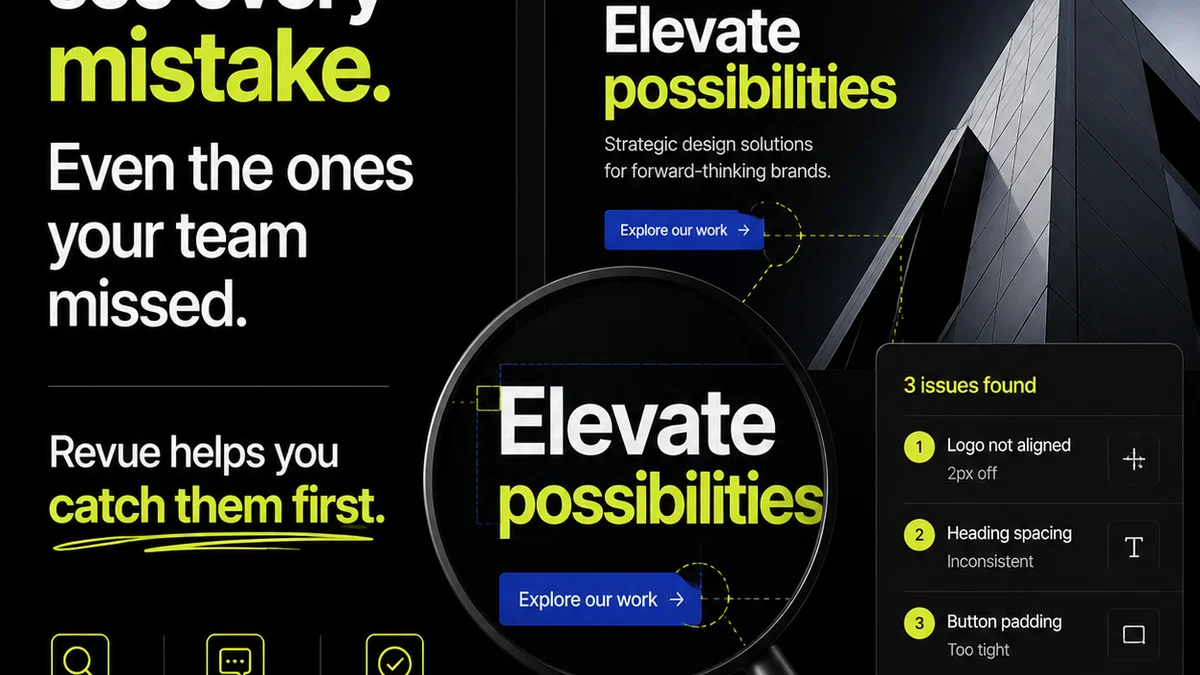
Revue helps by centralizing the entire creative review process. Instead of scattered emails and messages, you get:
- A Single Source of Truth: All feedback, versions, and approvals live in one place, linked to the specific creative asset.
- Clear Revision History: Track every change, who requested it, and when. This visibility prevents
Frequently asked questions
What is the most common cause of design errors in agencies?
Design errors are rarely caused by a single designer's mistake. More often, they stem from systemic issues within the workflow, such as unclear briefs, poor communication, inadequate review processes, and rushed deadlines.
How can peer review effectively reduce design errors?
Structured peer review, when scheduled, objective, and guided by specific criteria (like brief adherence and technical specs), can catch subjective misinterpretations and objective oversights before they become major issues. It's more effective than a casual glance.
What role do Standard Operating Procedures (SOPs) play in error reduction?
SOPs create a baseline for quality and consistency. By defining step-by-step processes for common tasks and deliverables (like file naming, color spaces, and export settings), they remove guesswork and ensure every output meets a defined standard, significantly reducing errors.
How can agencies manage client feedback to prevent errors?
Agencies can prevent errors from client feedback by centralizing all comments, using clear annotation tools on assets, summarizing and clarifying feedback before it reaches designers, and establishing clear revision limits. This ensures feedback is accurately understood and implemented.
Is AI a solution for reducing design errors?
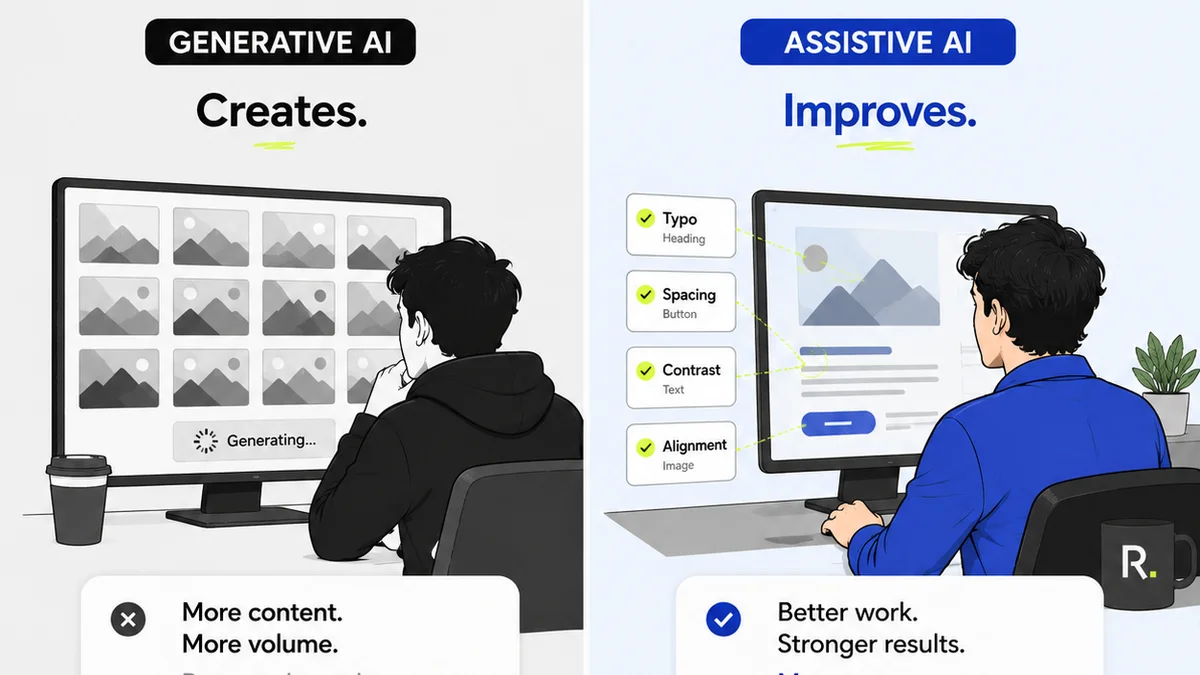
While AI tools can assist in identifying certain types of errors (like broken links or basic formatting issues), they cannot replace the nuanced understanding and critical judgment of human review. AI is a supplement, not a substitute, for a robust human-led QA process.